Tesla's Chinese rival Xpeng bets on artificial intelligence: robotaxis and humanoid robots by 2026


Chinese electric car maker Xpeng is expanding beyond the automotive sector, announcing the launch of its first robot taxis in 2026 and unveiling the latest generation of its own humanoid robot. The move marks a similar strategic direction to that followed by American rival Tesla, reports CNBC.
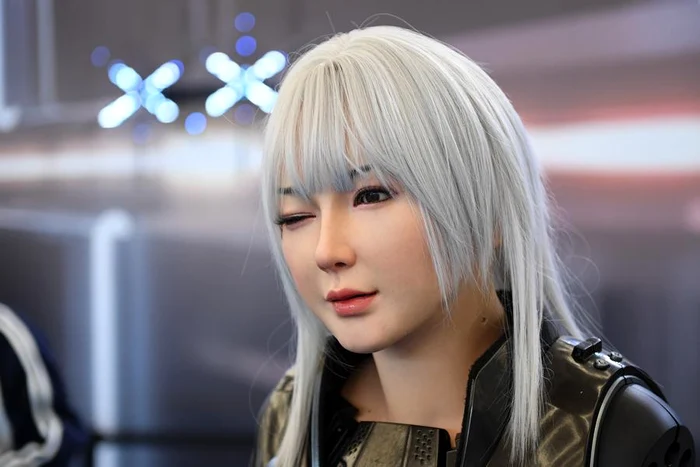
PHOTO: Archive
During the “AI Day” event, the company presented three robot taxi models equipped with four in-house developed AI chips called “Turing”. They offer a combined processing power of 3,000 TOPS, considered the largest integrated computing capacity in a vehicle on the market.
Turing chips power its own artificial intelligence system “vision-language-action” (VLA), now in its second generation, capable of simultaneously interpreting visual cues and natural language — essential technologies for autonomous driving.
The giant Alibaba will collaborate with Xpeng through its subsidiary AutoNavi (Amaps), to integrate robotaxis into the company's ride-hailing platform. Tests are scheduled to begin in 2026 in Guangzhou and other major cities in China.
“Technology is advancing faster than we anticipated. Advances in AI and exponential growth in computing power give us confidence that we are close to the tipping point,” said Brian Gu, co-president of Xpeng.
The company's strategy includes two product lines: one for commercial autonomous transportation services and the other for fully autonomous vehicles for personal use.
Xpeng competes directly with other Chinese developers in the field, such as Pony.ai, WeRide and Baidu, which have already launched autonomous taxi services in certain regions of China. In the United States, Tesla has started a similar program in Texas.
In addition to the robot taxis, the company also presented the new version of the humanoid robot “Iron”, which is in its second generation.
Series production of the robot will begin next year, and the first units will be used as guides, sales assistants or receptionists in company buildings.
CEO He Xiaopeng explained that using robots in households or factories “it is not, for the time being, profitable”, due to high costs and cheap labor in China.
The Iron robot is equipped with three Turing chips and a solid-state battery, and the company plans to offer customization options – from body shape to hair style.
“In some areas, such as flying cars or humanoid robots, we started development even before Tesla,” Brian Gu also said, emphasizing, however, that the American firm “communicated its commercial progress more effectively.”
Xpeng is banking on accelerated expansion in the robotics segment, estimating that it will sell more robots than electric cars in the next decade.