70% of orders in November target products dedicated to preparing the car for the cold season, with costs varying depending on the model and the range of products chosen.
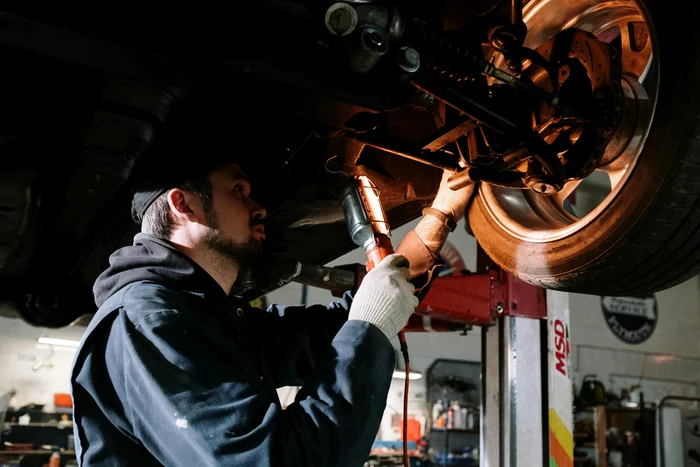
Services are flooded with orders to prepare the car for winter. Pexels photo
The average cost for fully preparing a car for winter is between 1,900 and 3,500 lei, according to an analysis, depending on the model and the range of products chosen. For Romanian drivers, this is one of the most important annual investments in car maintenance, and purchases made during Black Friday 2025 can reduce expenses by up to 20%.
The price differences are significant: a set of winter or all-season tires can be cheaper by 100 – 400 lei, a car battery by up to 15%, and essential consumables – engine oil, filters, antifreeze and wipers – benefit from discounts of 25 – 30%.
Seasonal review: planned investment, not emergency response
More and more Romanian drivers choose to make purchases for the winter overhaul before the temperatures drop a lot. If a few years ago these purchases were generated by emergencies – dead batteries, non-compliant tires or frozen liquids – now they have become part of an annual planning.
“We see more and more clearly a change in the behavior of Romanian drivers, who treat car maintenance as an investment, not as an unavoidable expense. Black Friday purchases no longer have an impulsive motivation, but a logical one – drivers buy before problems arise, taking advantage of better prices and product availability. For a mature market, preventive car preparation for winter becomes a sign of financial responsibility, and our role is to provide correct information, technical advice and price transparency“, says Costin Stan, CEO of AutoEco.
Average amount allocated to car preparation, up 10–15%
Compared to 2024, the average value of the shopping basket in this period increased by 10-15%, against the background of rising prices for raw materials and transport, but also the orientation of customers towards premium brands with a longer lifespan.
The data shows clear differences between customer segments. Individuals make mixed purchases, driven by price and fast delivery, while fleets and companies take a planned approach, with centralized and standardized orders by tire and battery size. For both categories, price transparency and product availability are decisive.