How Ukraine managed to deal a strategic blow to Russia: It destroyed almost half of the anti-aircraft systems that proved to be the most effective in the war

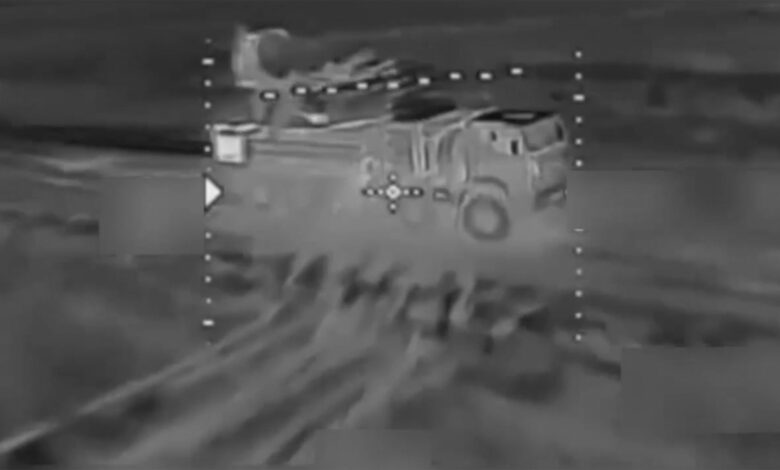
Ukraine claims that in 2025 alone it managed to destroy almost half of Russia's arsenal of Pantir-S1 anti-aircraft systems, systems that have proven to be the most effective against Ukrainian drones in particular. “The number of destroyed systems significantly exceeds production capabilities,” Kiev authorities say.
The announcement was made even by the head of the SBU, Vasil Maliuk, during a briefing held on October 31, alongside President Volodimir Zelenski, reports Defense Romania.
Maliuk emphasized that the destruction of these systems is an absolute priority, set directly by President Zelenskiy, and the reason is purely strategic.
Pantir systems, the most effective against Ukraine's drone attacks
The Pantir complex anti-aircraft systems have proven to be Moscow's most effective tool in countering long-range Ukrainian drones operating deep into enemy territory.
“In front of us, let's face it, the enemy has a very strong anti-aircraft defense. It is precisely the Pantirs that work most effectively against our long-range drones,” said Maliuk.
The official in Kiev claims that “the number of destroyed systems significantly exceeds the production capabilities” of the Russians, that is, about 30 such systems per year.
“We have deep strikes in Russian territory, we operate deep behind enemy lines using drones. We are talking about a range of 130 km or more. And their Pantsir missiles are the best to counter our long-range drones. So, from the beginning of 2025 until now, we have destroyed 48% of the enemy's Pantsir missiles,” Maliuk claimed.
From the public data available so far, it is known that Russia had about 110-120 such systems.
Russia rarely confirms losses of military equipment, but open data sources confirm at least some of the Ukrainians' assessments.
The Dutch military analysis site Oryx, which documents equipment losses on both sides, confirmed the destruction of at least 35 “Pantir-S1” systems, according to Defense Romania.
160 Ukrainian attacks behind enemy lines
Maliuk claims that since the beginning of the year, Ukraine has carried out about 160 successful attacks behind enemy lines, attacks that have mostly targeted “90% of the defense budget of the Russian Federation”, i.e. the oil and gas sector.
In September and October, the SBU hit around 20 key targets – six refineries, two oil terminals, three storage bases and nine pumping stations.
The economic impact is already visible and painful for Moscow, claims Maliuk, who speaks of a drop of more than 20% in the supply of petroleum products, as well as the shutdown of 37% of the country's total refining capacity and the imposition of a ban on gasoline exports until the end of the year.
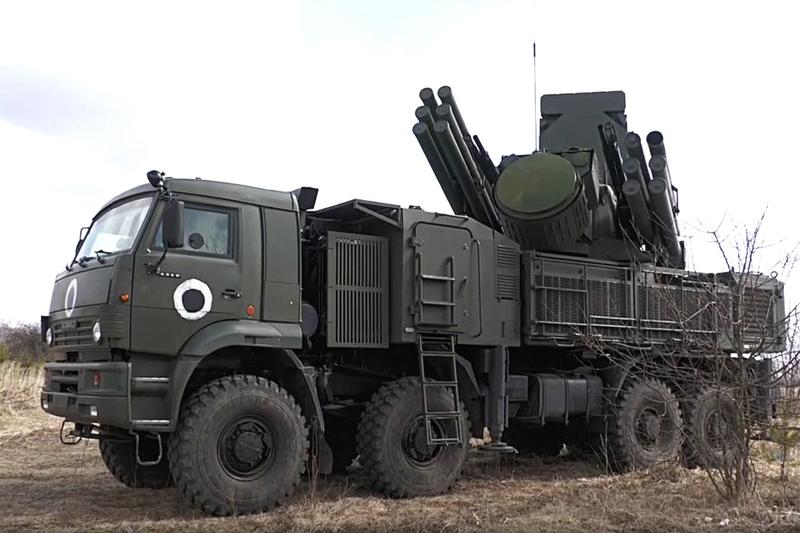
Pantir-S1 anti-aircraft system
The anti-aircraft system “Pantir-S1”, entered into the equipment of the Russian forces in 2012, is a hybrid complex of short-range missiles and artillery and was designed to be able to protect strategic objectives and troops. The system also includes a radar and has all the elements mounted on a single mobile unit, either a truck or a tank chassis.
It is considered to be one of the most modern and high-performance Russian anti-aircraft systems, very effective against targets operating at very low altitudes, such as cruise missiles or drones of all sizes.
The Pantir-S1 combines two 30 mm automatic cannons that hit up to 4 km away, as well as 12 radar-guided missiles capable of hitting targets 20 km away and 15 km altitude. The upgraded version, “Pantir-S2”, has improved radar detection capabilities of over 40 km.
In early to mid-2023, Russian state media reported that the Pantsir system received new software to improve its ability to deal with missiles launched by the US-made HIMARS system and British Storm Shadow cruise missiles, respectively.
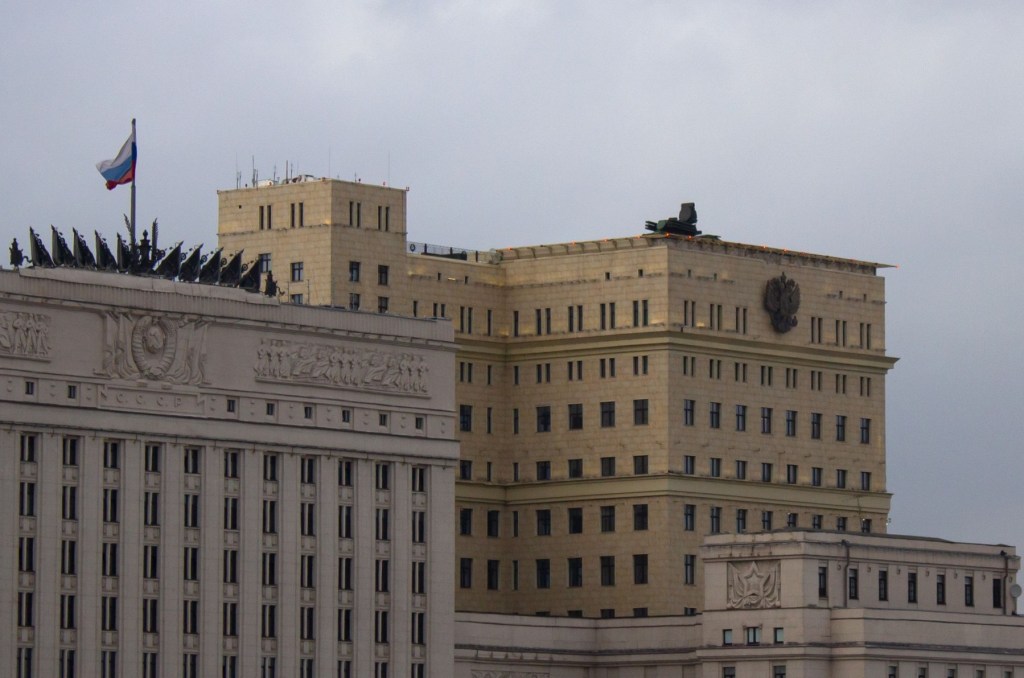
In 2023, images posted online showed Russia placing Pantsir anti-aircraft systems on Ministry of Defense and Ministry of Education buildings in Moscow.
A Pantir-S1 system, intended for export, has a value of almost 13 million euros.