The US and China have achieved their goal. Europe in check. “We can't wait”

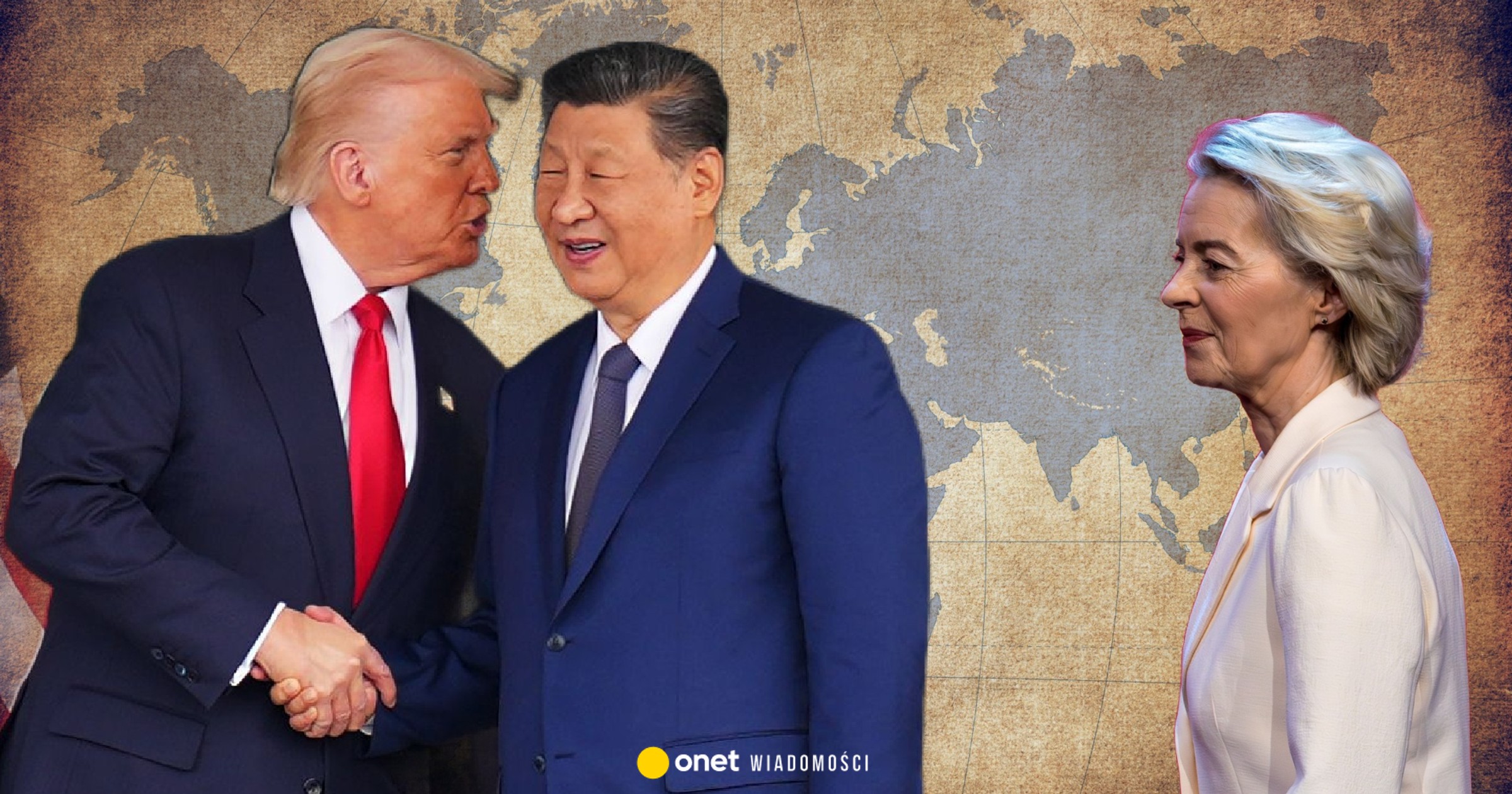
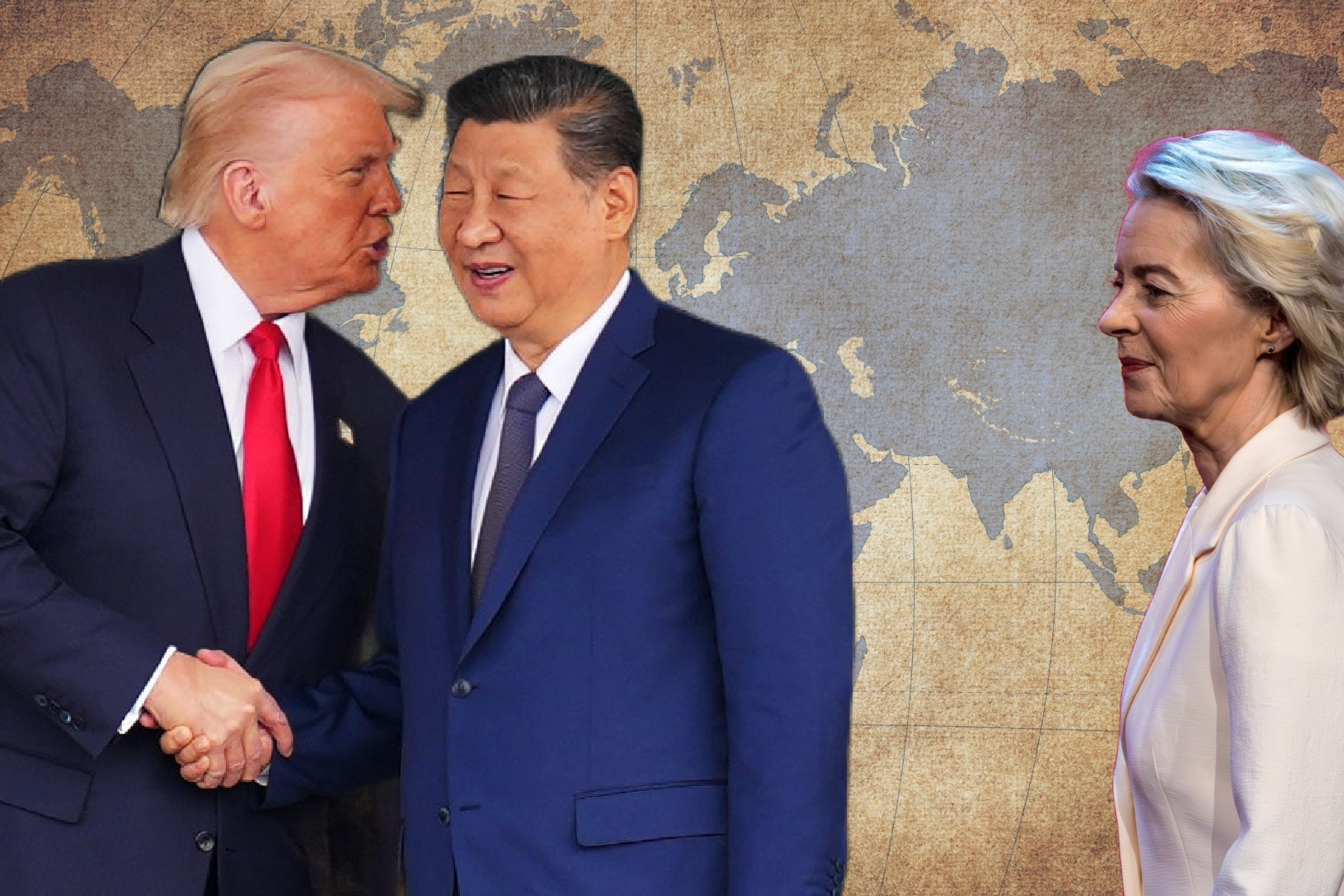
Trump's agreement with Xi is only seemingly positive for Europe, which only gains a little more time to look for solutions. And it won't be easy. Recently, tensions between Brussels and Beijing have escalated to such an extent that the European industry has been hit hard. This was proof of the extent to which the Old Continent is dependent on the whims of the Asian giant.
The bloc is trying to meet the needs, but the Chinese are discouraged by European bureaucracy and slowness. They sideline EU interests. Now the community is trying to strengthen its trade ties with other countries. This is what the search for a “third way” looks like. “Europe cannot simply wait to see how the talks between the United States and China play out,” says Ignacio Garcia Bercero, former director of the European Commission's trade department.
Brussels, under pressure from Trump and seeking to pursue its own strategic interests, is trying – without much success – to persuade Beijing to stop supporting Russia in the war with Ukraine.
At the same time, the EU is making every effort to ease tensions in the long-running trade dispute with China. Tensions have recently escalated with the imposition of restrictions on the export of key raw materials and microchips. This had an immediate negative impact on European industry, especially car manufacturers, which were already struggling before the restrictions were introduced.
Fears of lasting, irreversible damage to European industry have prompted the EU to adopt a more conciliatory stance in the trade dispute, emphasizing emphasis on engagement and dialogue rather than punitive measures.
However, Chinese officials are not satisfied with the slow and uncoordinated pace of talks with the EU. According to Jeremy Chan, senior analyst at Eurasia Group, it is prompted Beijing to lower Europe's rank on its priority list.
In these negotiations, the EU is at best a secondary, perhaps even a third-rate player, or is not taken into account at all by both Washington and Beijing
Chan says in an interview with POLITICO.
Trump's pressure on the EU. A new deal with China
The EU's political priority is ending Russia's war in Ukraine – something Trump promised during the election campaign to do within his first 24 hours in office. Nearly a year into his term, the fighting continues. China adds its two cents by supporting the Russian economy through investments and purchases of crude oil.
Under pressure from the White House, the EU included Chinese banks and refineries in the last two rounds of sanctions against Russiaarguing that these entities help Moscow avoid sanctions. High-level Chinese officials reacted with anger. During a meeting with European Council President Antonio Costa in Asia this week, Premier Li Qiang said the sanctions were “unacceptable,” an EU official anonymously tells POLITICO.
European Commission President Ursula von der Leyen and the bloc's foreign policy chief, Kaja Kallas, have openly criticized Beijing's support for Moscow, with the former saying in July that it had a “direct and dangerous impact on European security.”
Ukraine had hoped that Trump would pressure Beijing to stop buying Russian oil, but the US president told media aboard Air Force One that the issue had not been discussed – although he said the war in Ukraine “has been very strongly discussed” and both sides hoped for an end to the fighting.
“He will help us and we will work together on Ukraine,” Trump said, referring to the Chinese leader.
Industry in check
Although China's export controls have not been aimed at the EU, companies in the bloc face many problems, including long delays and sharp price increases due to shortages of raw materials and chips. China supplies 98 percent. permanent magnets with rare earth metals to the EU [to najsilniejsze magnesy dostępne na rynku, wytwarzane ze stopów pierwiastków takich jak neodym (Nd) i samar (Sm); mają zastosowanie np. w energetyce, medycynie, przemyśle motoryzacyjnym].
The geopolitical storm forced the European Commission to take intensive action to secure its own supply of magnets and launch a plan to diversify the European supply chain by the end of the year.
However, the EU has faced a similar situation before. Just two years ago, it adopted the Critical Raw Materials Act to solve this very problem, but all the agreements signed have failed to produce any real results. Her latest plan is rich in ideas but poor in detail.
The one-year break on export controls agreed between Trump and Xi gives the EU some time to implement the plan and leverage other alliances — including efforts at the G7 this week with Canada, the UK, Italy, France and Germany to diversify supplies outside China's sphere of influence.
But for companies looking for clarity, the problem is this none of the agreements concluded between Trump and Xi are binding.
— Until we see any details agreed and written down on paper, it leaves a lot of room for both sides to backtrack and apply various other conditions, so I don't think the matter is really settled, says Alexander Gabuyev, director of the Carnegie Russia Eurasia Center.
Europe (in)solidarity
There are high expectations in the UK. Pressure is mounting on policymakers to use the temporary ceasefire with the US to minimize risks related to China.
British Prime Minister Keir Starmer has so far failed to resolve long-standing tensions among politicians. Some of them want a more decisive stance towards Beijing. Others favor closer relations to increase foreign investment.
British government officials have traveled to Beijing to strengthen ties since Starmer took office. This is contrary to the prime minister's primary foreign policy goal, which is to get closer to Trump.
China has become a particularly sensitive topic for Starmer in recent weeks due to the collapse of criminal proceedings against two men accused of spying for Beijing. Ministers have not yet made a decision on the planned Chinese “super embassy” in London.
In the EU, divisions between member states over how to counter China's power – and possible repression – make a unified stance towards Beijing on trade or anti-dumping measures is unlikely.
Brussels saw internal divisions when it imposed tariffs on electric vehicles manufactured in China. Carmakers and their political backers fear that Chinese brands will dump production surpluses on the European market, causing a serious price war in Europe.
But despite all the concerns about protecting domestic carmakers, the vote in EU capitals on tariffs revealed a disturbing development – every country is economically exposed to China's actions, and Germany made a last-minute appeal to halt the tariffs.
The Netherlands is the latest EU member to run afoul of China after Dutch authorities seized control of chipmaker Nexperia, prompting Beijing to retaliate by controlling exports of chips made by Nexperia in China. The chip shortage could bring production lines across Europe to a standstill in less than a week, showing how much Europe has become economically dependent on China.
“Europe cannot wait”
From the outset, Trump portrayed his trip to Asia as a “G2 summit,” stoking fears that any agreements left out other countries or that “UK and European trade priorities could be ignored or traded away without consultation,” explains David Taylor, director of policy and programs at Asia House.
Sensing its influence is declining due to warming relations between Trump and Xi, the EU is seeking to strengthen its trade ties with other countries.
Trade chief Maros Sefcovic will travel to Australia at the end of November to chair the inaugural dialogue between the EU and 12 members of the Comprehensive and Progressive Agreement for Trans-Pacific Partnership bloc [CPTPP]two diplomats tell POLITICO. The dialogue aims to deepen economic and political ties between the EU and countries interested in maintaining established global trade rules.
Brussels will have the opportunity to do just that when it hosts a delegation of senior Chinese officials on Friday. They are expected to meet the Commission's deputy director-general for trade, Denis Redonnet, and other senior officials.
Experts warn that Europe will need to maintain pressure on Beijing to make progress on its priority issues.
“Europe cannot simply wait to see how the talks between the United States and China play out,” says Ignacio Garcia Bercero, former director of the Commission's trade department. — It must develop its own channel of dialogue with China.