Surprise in the Dutch elections: Exit polls put a centrist party in first place, over the score of the extreme right / Who could become the youngest, but also the first declared gay in the post of prime minister of the country


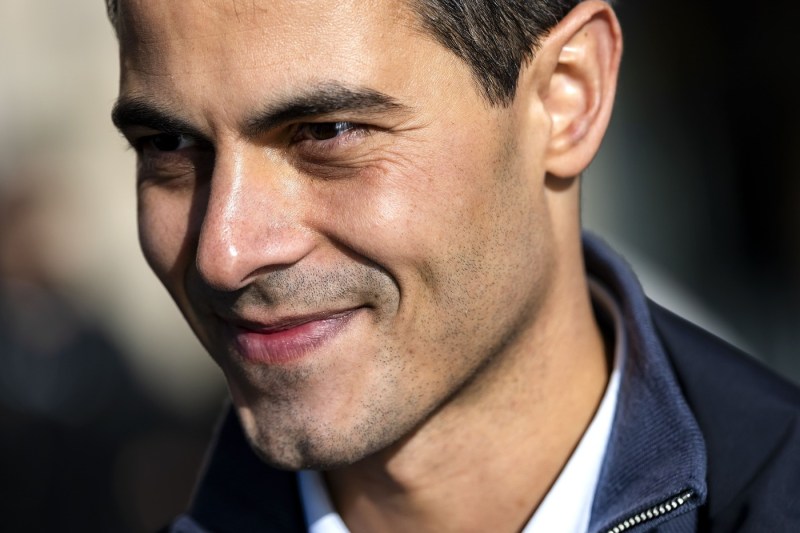
Rob Jetten. Photo credit: Hollandse Hoogte / Shutterstock Editorial / Profimedia
The centrist D66 party is set to win the most votes in the Dutch general election and defeat the far-right, exit polls showed on Wednesday, paving the way for energetic leader Rob Jetten to become the country's youngest and first openly gay prime minister.
Two exit polls predicted that D66 would win 27 seats in the 150-seat lower house of parliament, beating far-right leader Geert Wilders' Freedom Party (PVV), which would win 25 seats. The polls have a margin of error of up to three places, reports News.ro citing Reuters.
 Unpredictable poll in the Netherlands: a choice between Geert Wilders' nationalist right and a return to the political center after two complicated years
At the gathering of D66 supporters, cheers and chants of “Yes we can” erupted as the crowd waved Dutch flags.
Geert Wilders said in a social media post: “We were hoping for a different result. We are more determined than ever.”
The main parties rule out a government with Wilders' far-right formation
Rob Jetten, 38, has soared in popularity over the past month as he campaigned on a positive message, promising the end of a political era dominated by Wilders. Now it appears that the brief reign of Wilders' nationalist and anti-immigration party PVV is over, at least for now. The main parties, from the left to the right, ruled out the possibility of forming a coalition with him, notes the Reuters agency.
To form a governing coalition in the Dutch parliament, 76 seats are needed, which means that at least four parties will be needed. A possible scenario is a pact between D66, the conservative Christian Democrats (CDA), the center-right VVD, and the Green-Workers Party.
 Two centrist parties want to return to power in the Netherlands after the government led by Geert Wilders' far-right party failed
However, forming stable coalitions is difficult, and negotiations will probably last for months.
The Dutch election has been seen as a test to see if the far right can expand its influence or if it has reached its peak in certain parts of Europe. The result may suggest that there are limits to its long-term appeal, writes Reuters.
Geert Wilders, known for his anti-Islam stance, won a surprise victory in the 2023 election and his party entered government for the first time, but he left his own right-wing coalition in June to trigger a snap election after partners rejected his 10-point plan on immigration.
 Migration dominated the election campaign again, ahead of Wednesday's early elections in the Netherlands / Who are the poll favorites