Retiring abroad is no longer a privilege reserved for the wealthy. In 2026, a retired couple can live comfortably in several European countries on a budget of $1,000 to $2,000 per month, depending on destination, lifestyle and health insurance options. The data below is taken and adapted from a guide published by Mandracchio Capital, a consulting firm specializing in international relocation, based on rental listings and private medical insurance offers from 2025 and 2026. Here are the most affordable destinations and what you need to know about visas, taxes and actual costs.
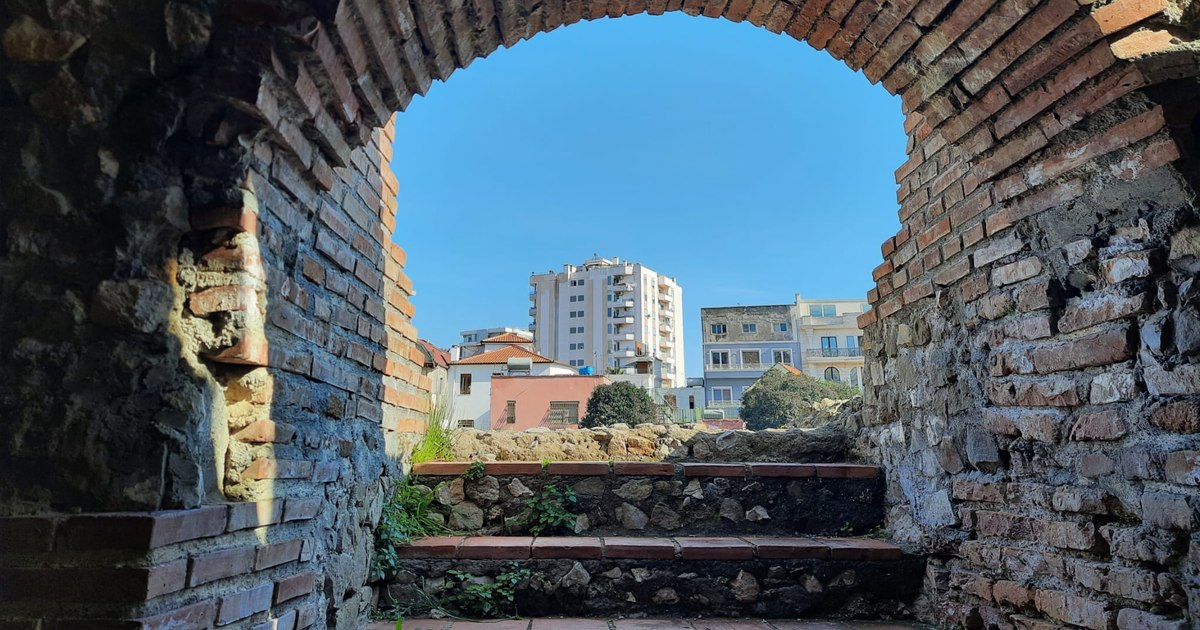
View from the Roman Amphitheater located in Durres, Albania. PHOTO: Archive
The cost of living in the West, especially for Americans or Brits, has risen significantly in recent years. Rent, health insurance and daily expenses have pushed more and more retirees to explore alternatives in Eastern and Southern Europe, where the purchasing power of a modest income in dollars or pounds is considerably greater.
There are also concrete advantages that Europe offers over exotic destinations in Asia or Latin America. Political stability, solid infrastructure, functioning health systems and, in the case of European Union countries, a predictable long-term legal framework.
The ranking is based on real monthly budgets for a couple, rents outside top tourist areas, costs of private health insurance, affordability of retirement visas and tax treatment of pensions abroad.
The cheapest countries in Europe for pensioners in 2026
Bulgaria. The smallest budget in the European Union
Estimated monthly budget for a couple. $900 to $1,400.
Bulgaria remains, in 2026, the option with the lowest cost of living in the entire European Union. Cities like Veliko Tarnovo, Plovdiv or even the quieter neighborhoods of Sofia offer rents between $300 and $600 per month, utilities around $150, and private health insurance of $60 to $120 per month.
The Bulgarian state offers a residence permit for pensioners who can prove a stable income. It is the ideal destination for those who put the budget first and are willing to accept a less developed infrastructure than in Western Europe.
Romania. Low rent and fast internet
Estimated monthly budget for a couple. $1,000 to $1,600.
Romania is one of the pleasant surprises of this ranking. Mid-sized cities like Cluj-Napoca or Brașov combine affordable rents (from $350 per month), low food prices and a very good digital infrastructure with some of the fastest internet connections in Europe.
The presence of expats is growing and the cost of living remains among the lowest in the EU, despite high inflation in recent years. The main disadvantages, the authors of the analysis show, would be the fact that English is less spoken in rural areas, and the health system is problematic outside the big cities.
Albania. The Mediterranean without the prices of Italy
Estimated monthly budget for a couple. $1,000 to $1,500.
Albania is not part of the European Union, but it offers a Mediterranean lifestyle at a fraction of the cost of Italy or Greece, the authors of the analysis say. Saranda and Tirana are the most popular destinations for expats, with modern apartments between $400 and $700 per month, cheap food and over 300 sunny days a year.
US citizens can stay up to one year without a visa, and long-term residency options are available. The infrastructure is developing rapidly, also supported by the EU accession process.
Croatia. Accessible outside the tourist areas
Estimated monthly budget for a couple. $1,400 to $2,000.
The Croatian coastline can be expensive in high season, but cities like Zagreb, Osijek or Rijeka remain accessible all year round. Croatia is a safe EU member with a high quality of life and an ever-growing expat infrastructure.
Residency options include temporary residency based on financial independence and the digital nomad permit, which can also be useful to retirees with passive income from investments or rentals.
Portugal. The best value for money in Western Europe
Estimated monthly budget for a couple. $1,500 to $2,200.
Portugal remains one of the most sought-after destinations for American retirees due to its safety, solid healthcare system and high level of English proficiency. Although Lisbon and Porto have become considerably more expensive, the inland regions, Braga, Coimbra or the Algarve towns away from the coast, still offer an excellent ratio by Western European standards.
A pensioner was forced to pay the full tax on a scrapped car: “How to tax me for another 9 months if I don't have it anymore?”
The D7 visa, intended for people with passive income, is one of the most accessible paths to legal residency for non-Europeans.
Spain. Big cities at reasonable prices if you know where to look
Estimated monthly budget for a couple. $1,600 to $2,400.
Spain is on the list of best retirement destinations, but it can also be affordable if you avoid Madrid and Barcelona. Granada, Valencia or Alicante outside the strictly tourist areas offer a high standard of living at moderate costs.
The “Non-Lucrative” visa allows legal stay for people with sufficient passive income. The Spanish healthcare system is one of the best in Europe and private health insurance remains reasonably priced.
Greece. 7% tax on pensions abroad
Estimated monthly budget for a couple. $1,500 to $2,200.
Greece offers one of the most attractive tax regimes for foreign retirees. Pensions abroad are taxed at a flat rate of 7%, a significant advantage over other European destinations. Regions accessible in terms of costs. Crete outside the main tourist centers, Thessaloniki and the Peloponnese.
The cost of living remains lower than in Italy or France, and access to medical care is solid in urban areas.
Hungary. Value in the center of Europe
Estimated monthly budget for a couple. $1,200 to $1,900.
Budapest is getting more expensive, but Hungary's smaller cities remain affordable. The main advantages. Central location in Europe, impressive architecture and cheap public transport. The health system is improving, although variable by region.
Poland. Underrated by retirees on moderate budgets
Estimated monthly budget for a couple. $1,300 to $2,000.
Krakow and Wroclaw offer modern infrastructure, affordable rents outside the center and a high level of safety. Poland is less often mentioned in retirement guides outside of Europe, but offers excellent value for money for those willing to explore beyond the classic destinations.
Who is the pensioner who collected 9 million euros before massive layoffs at Volkswagen: now he produces cognac and develops agricultural projects
Latvia. Baltic alternative for small budgets
Estimated monthly budget for a couple. $1,200 to $1,900.
Riga offers cheap housing, a solid European legal framework and high-quality internet connections. The main disadvantage. Harsh winters with very low temperatures and short days in the cold season.
What you need to know before choosing your destination
Choosing the right country for your retirement abroad doesn't come down to a monthly budget. There are some critical aspects that many retirees ignore that can turn a seemingly good decision into a costly problem in the long run.
The first thing to check is whether the residence visa is renewable for the long term and under what conditions it can be converted to permanent residence. Some visa programs are generous in the first year, but become restrictive thereafter.
The second aspect concerns the taxation of the pension. The tax treatment of private or public pension income differs significantly from country to country and may change once temporary residency becomes permanent. Always check if there is a double taxation treaty between your country of origin and destination.
The third element is access to medical services. The right to access the public health system is not automatic in all EU countries for non-EU residents, and the cost of private health insurance can vary considerably.
Last but not least, bank reporting requirements and cross-border financial obligations can create unexpected problems. A specialist international relocation consultant can prevent costly mistakes before signing contracts or making deposits on properties.