Kremlin disinformation hits Poles and Ukrainians. The General Staff of the Polish Army reacts


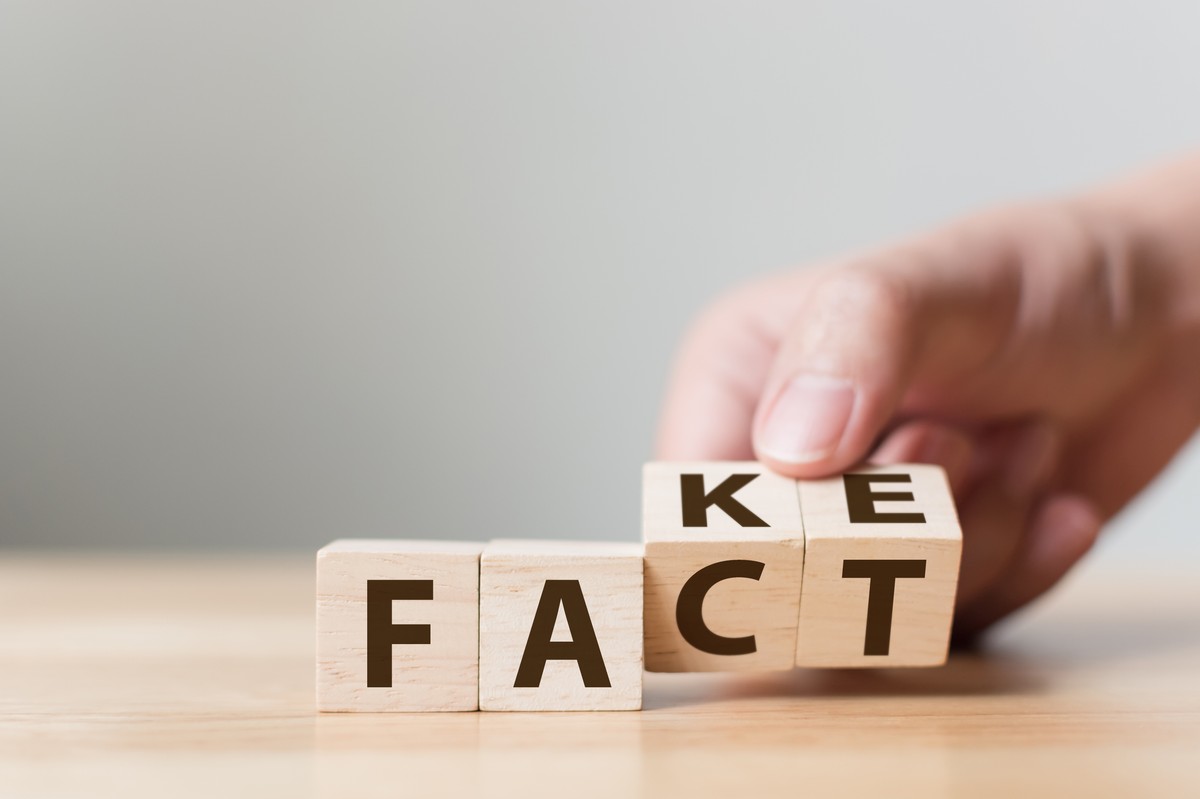
Russia, according to NATO reports and studies by experts from Johns Hopkins University and Imperial College London, is conducting activities aimed at changing the way societies think and behave, which is called cognitive warfare. In Poland, the Kremlin uses a variety of tools, including social media campaigns, cyberattacks and disinformation, to undermine Poles' trust in Ukrainians. The press release from the General Staff of the Polish Armed Forces emphasized that influencers and public figures are also involved in promoting these narratives.
The rest of the article below the video:
Łukasz Adamski, deputy director of the Dialogue Center. Juliusz Mieroszewski, notes that although disinformation technology is not new, modern societies, less resistant to manipulation, are becoming particularly susceptible to its effects. Adamski points out that the tensions in Polish-Ukrainian relations result not only from Russian actions, but also from difficulties related to the adaptation of Ukrainians in Poland and delayed reactions of the Ukrainian state to Polish demands. Still, Russian disinformation plays a key role in shaping negative attitudes.
An expert who regularly visits Ukraine emphasizes that Russian propaganda also works in the opposite direction, spreading anti-Polish content in Ukraine. These include false historical information, such as claims about Hitler's participation in Piłsudski's funeral or Poland's participation in the partition of Czechoslovakia.. Adamski points out that these narratives, invented in the Kremlin, are spread by nationalist circles which, although they fight against Russia, unknowingly contribute to the spread of disinformation.
The press release from the General Staff of the Polish Armed Forces drew attention to the increase in troll activity on social media. Adamski confirms that accounts impersonating real people, often unverified, are used to spread hate and disinformation. In an interview with PAP, he cited an example of comments that tried in various ways to discredit his activities, attributing to him cooperation with both Polish and Ukrainian services..
Prof. Roman Baecker from the Nicolaus Copernicus University in Toruń points out that Russian cognitive activities in Poland usually do not bring the intended results due to Poles' good historical memory. Nevertheless, Russia is intensifying its actions, using historical narratives such as the Volhynia massacre and emphasizing the alleged lack of gratitude of Ukrainians towards Poles.
Baecker notes that Western societies' fatigue with the war in Ukraine, typical of long-term migration crises, is an ally of Russian propaganda. Historical examples, such as emigration after the November Uprising or martial law repression, show that initial sympathy for refugees often gives way to marginalization.
Experts emphasize that it is necessary to take more frequent actions to make society aware of the effects of anti-Ukrainian sentiments. Prof. Baecker notes that messages such as those published by the Polish Army General Staff should be supported by broad-based education and information initiatives. Given the intensification of Russian propaganda activities, building society's resistance to manipulation and disinformation is becoming a key challenge.