Secrets of perfect cakes: simple ingredients that make any dessert 10 times better – golden tricks for home

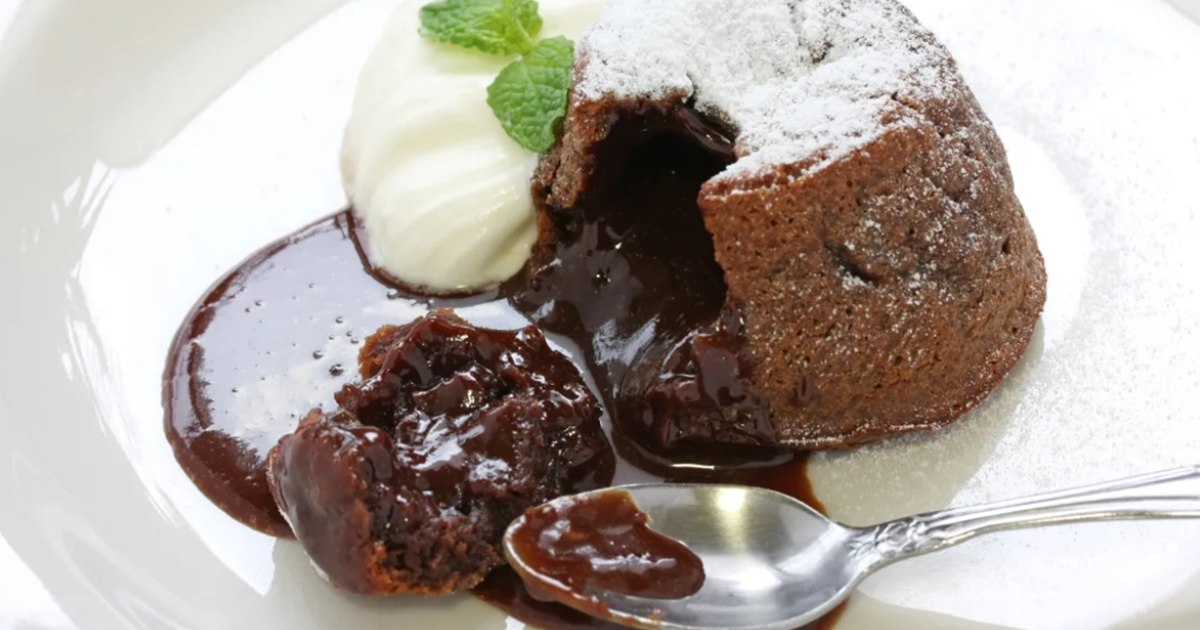
Discover the secrets of perfect cakes and how simple ingredients can transform any ordinary dessert into a memorable one. Learn golden home tricks that make every cake flavorful, balanced, and truly memorable, just like our grandmothers used to make.
A few ingredients can turn a good dessert into a memorable one Source Arhiva Adevărul
Some cakes are never forgotten. You recognize them by their smell, before you even see them: the aroma of cinnamon around Christmas, the orange peel that cheers up the cookie dough or the vanilla that fills the house with the scent of childhood. They are small gestures, inherited from grandparents, but which give that taste of “home” that no sophisticated dessert can match.
The truth is that, behind every successful cake, there are some simple ingredients and some seemingly insignificant secrets. A teaspoon of honey instead of sugar, a pinch of salt to balance the sweets or grated lemon peel rubbed with sugar – details that can turn an ordinary cake into a memorable one.
Perhaps the secret of perfect cakes lies not in spectacular recipes, but in the pleasure of baking with heart and the joy of playing with those familiar ingredients, which fill the house with smells and memories. Just like our grandmothers used to do, without an electronic scale, but with a lot of soul.
Next, you'll learn the secrets of an award-winning author on how to turn ordinary cake ingredients into memorable desserts with brilliant little tricks.
Dorie Greenspan: The Details That Make Perfect Cakes
About these little ones “magicians” the famous author Dorie Greenspan also speaks in her new book, “Dorie's Anytime Cakes”. With over 100 recipes gathered from her life's experience, Dorie reveals how, from a few basic ingredients, you can achieve desserts perfect for any time of the day – from a slice of cake enjoyed with your morning coffee, to a simple Sunday cake.
Dorie Greenspan, award-winning author and renowned pastry chef, pays close attention to the small details that make the difference between a good cake and a memorable one. The texture of the butter, the way the sugar is mixed or the exact moment you add the vanilla are simple but essential gestures. They are not complicated tricks, but steps that any housewife can learn.
The secret of vanilla: the flavor that turns a good cake into an unforgettable one
Among the seemingly mundane ingredients, vanilla is perhaps the most underrated. We add it out of reflex, without giving it too much importance, although it can change everything.
Dorie Greenspan recounts in her new book that, over time, she learned a simple but essential thing: the amount of vanilla really matters.
“The old recipes only used a quarter of a teaspoon of vanilla. But over the years, I've noticed that the cakes get a special depth when you add more. It's not about excess, it's about generosity.”she says, quoted by Parades.
How much vanilla is enough for perfect cakes
Dorie explains that tastes have changed—people are now looking for richer, more nuanced flavors, even in desserts. So, where our grandmothers poured vanilla “with the drop”she recommends not to be afraid of a good teaspoon or two: “In a generous dessert, baked in a decorative pan, whether it's marbled or with cream, two full teaspoons of natural vanilla can do wonders.”
But the role of vanilla is not only to perfume. It's an ingredient that unites and balances all the flavors in a cake. “If it's used well, you won't taste the vanilla directly. You'll just feel the effect—that subtle balance that makes everything come together.”Greenspan explains.
Choosing vanilla – quality over brand
Vanilla has the gift of taming the taste of egg, emphasizing the aroma of butter and strengthening the scent of chocolate, caramel or nuts. It's a discreet but indispensable presence – the kind of ingredient that goes unnoticed but whose absence you immediately feel.
Just one caveat: choose your vanilla carefully. “It's not about the brand, it's about the quality. Look for a pure, genuine vanilla, even if you have to test several until you find the one that suits you.” recommends Dorie.
Moral? Vanilla is not just a simple addition to the recipe. Used carefully and in the right amount, it can be the ingredient that gives life to your cake – that splash of fragrance that brings back memories of the warm kitchen of your childhood.
Three little tricks that can transform your desserts at home
As Dorie Greenspan says, the magic of cookies is not in complicated techniques, but in those small details that make the difference between “good” and “wow”. In addition to the vanilla used liberally, the author reveals three simple but spectacularly effective tweaks that anyone can try at home.
1. Choose chocolate with soul, not just “for cookies”
“Use the chocolate you like to eat”recommends Dorie. It may seem like a mundane tip, but it changes everything.
Real chocolate—cut from a good bar into irregular pieces—melts differently than bagged chips. That's how you end up with different bites in each slice: in one corner, an explosion of melted chocolate, in another, just a subtle hint of bitter flavor.
It's that surprise element that brings the cake to life, just like it used to be, when nobody counted the weight to the milligram, but the taste was perfect.
2. Rub sugar with citrus peel — a small gesture, a huge scent
Another secret that Dorie learned from the great confectioner Pierre Hermé more than 30 years ago: grate lemon or orange peel directly over the sugar and rub it well with your fingers.
Attention, it is not the same traditional method that many Romanian housewives use: here, the grated peel is mixed with sugar and left to macerate for later use. Instead, Dorie's method is done on the spot, right before you start the cake. By rubbing the sugar with the fresh peel, the aromatic oils penetrate directly into the sugar crystals and the result is a much more intense, fresh and natural fragrance — which you immediately feel in the dessert.
The aromatic oils from the peel penetrate the sugar crystals, and the result is an intense, natural fragrance that is felt in every sip.
“When I found this out brilliant trickI found it incredible that I hadn't thought of it sooner. It's so simple and logical, but it completely changes the taste of the dessert.” Dorie also admits.
An extremely ingenious secret that we think everyone who tries it will appreciate.
The truth is that it is precisely these details that bring a cake to life — small rituals that transform sugar, flour and butter into a fragrant story.
3. Don't forget salt — the secret friend of taste
For a long time, recipes only said “a pinch of salt”. Today, however, salt is no longer just a formality: it is an ingredient that brings out all the other flavors.
“If you taste a cake and feel it is 'lifeless', it is most likely lacking salt”Greenspan explains.
A tiny amount is enough to balance sweets and highlight butter, chocolate, caramel or fruit. It's that invisible touch that makes the taste “round”.
Dorie Greenspan's little secrets are not about perfection, but about the joy of baking with soul. With an extra teaspoon of vanilla, an extra pinch of salt and a lemon peel rubbed with sugar, any cake can be transformed from something ordinary to a dessert with a story.
Three Golden Rules for Successful Cakes – Lessons from Dorie Greenspan
Are you ready for your next adventure in the kitchen? Before you fire up the oven, Dorie Greenspan has some essential tips for anyone looking to take their desserts to the next level. They are not strict rules, but small habits that prevent small mistakes – the ones that often make the difference between a successful cake and one “almost good”.
1. Read the recipe – then read it again
It may seem obvious, but surprisingly many people start baking without reading the recipe all the way through.
“Haste usually leads to simple mistakes – a forgotten ingredient, a wrong measurement or a skipped step. For a quick snack it's ok, but with a cake every detail counts”explains Dorie.
Her recommendation: read the recipe twice before getting down to business. This way you understand the order of the steps, the baking time and prepare everything quietly, without surprises.
2. Start the oven ahead of time
Perhaps the most neglected step in the kitchen: preheating the oven.
“The oven is never ready as soon as the temperature light comes on. For perfect results, turn it on the moment you decide to bake. Even if it looks ready, leave it for another 10-15 minutes – it needs time to heat evenly”recommends Dorie.
That few minutes of patience can be the difference between a soft, evenly baked cake and one that's burnt on the edges but raw in the middle.
3. Be organized – prepare everything in advance
After reading the recipe (twice!), gather all the ingredients and utensils you need.
“At first I wasn't a fan of mise en place – everything in its place. But I've learned that organization prevents mistakes. Without it, there are those moments of panic: 'Oh, I should have melted the butter first!' or “Where's the whipped milk?”Greenspan admits.
Now, for Dorie, preparing the ingredients is a joy in itself: “I like to see everything laid out and feel like I'm ready to start baking.”
Instead of the end
Dorie Greenspan reminds us that perfect desserts are not born from complicated recipes, but from attention, simplicity and a touch of care for details.
From the vanilla used generously, to the real chocolate and the salt that gives the final taste, to the discipline of reading the recipe patiently – every little gesture counts.
And maybe this is the most beautiful secret of all:
- perfect cakes are not about perfection, but about the joy of baking from the heart, just like our grandmothers used to do.