2025-10-25 10:00
publication
2025-10-25 10:00
Bariatric surgery is much more effective than GLP-1 receptor agonists in reducing the risk of death, heart disease, kidney failure and vision damage in people with obesity and type 2 diabetes, according to research conducted at the Cleveland Clinic.
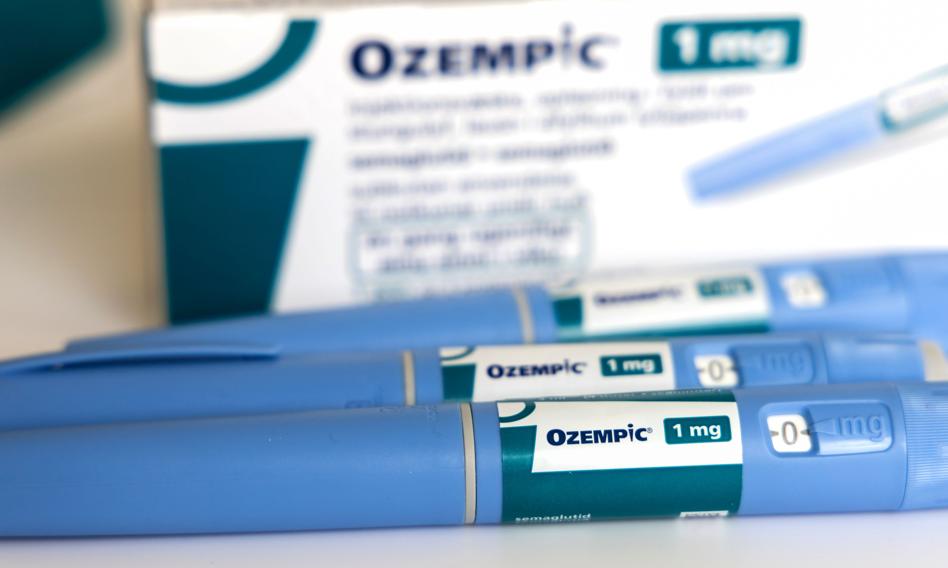
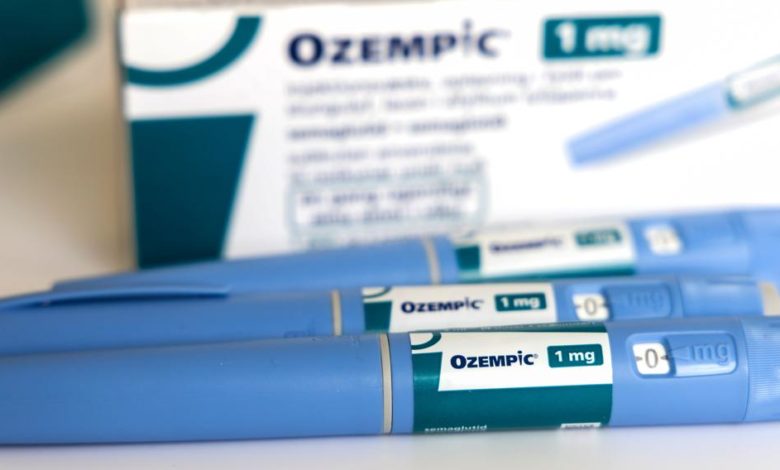
As its authors wrote in Nature Medicine, in the ten years after surgery, patients lost more weight, had better control over their sugar levels, and were less likely to require drug treatment than people taking only medications such as semaglutide (Ozempic, Wegovy), liraglutide (Victoza, Saxenda), dulaglutide (Trulicity), exenatide (Byetta, Bydureon) or tirzepatide (Mounjaro, Zepbound).
– Even with currently available and highly effective medications, bariatric surgery still provides unique and lasting benefits for people with obesity and diabetes. Its effects go beyond just weight loss. We also observed fewer cardiac problems, kidney diseases and vision damage, commented the lead author of the study, Dr. Ali Aminian.
The study included 3,932 adult patients with obesity and type 2 diabetes. Among them, 1,657 people underwent bariatric surgery (such as gastric bypass or sleeve gastrectomy), and 2,275 were treated with GLP-1 drugs.
After 10 years of observation, people after surgery showed a 32% decrease in lower risk of death, by 35%. lower risk of serious heart diseases such as heart attack, heart failure and stroke by 47%. reduced risk of severe kidney disease and by as much as 54%. reduced risk of diabetic retinopathy.
The average weight loss was 21.6%. in the group of operated patients and 6.8 percent among people taking GLP-1 drugs. The former also required medications for diabetes, hypertension and cholesterol less frequently.
– Even now, when we have very effective drugs for obesity and diabetes, bariatric surgery offers additional benefits, including a greater chance for a longer and healthier life – concluded co-author of the publication, Dr. Steven Nissen.
He added that the study was observational in nature, so it was not a random comparison of surgical and pharmacological therapy. It also didn't focus solely on the newest GLP-1 drugs.
Katarzyna Czechowicz (PAP)
kap/ agt/