
The third round of nuclear negotiations between the USA and Iran, led through Oman, ended on Saturday. Both sides expressed satisfaction with progress, although the differences in key issues are still clear. The conversations focused on limiting the Iran atomic program in exchange for sanction relief.
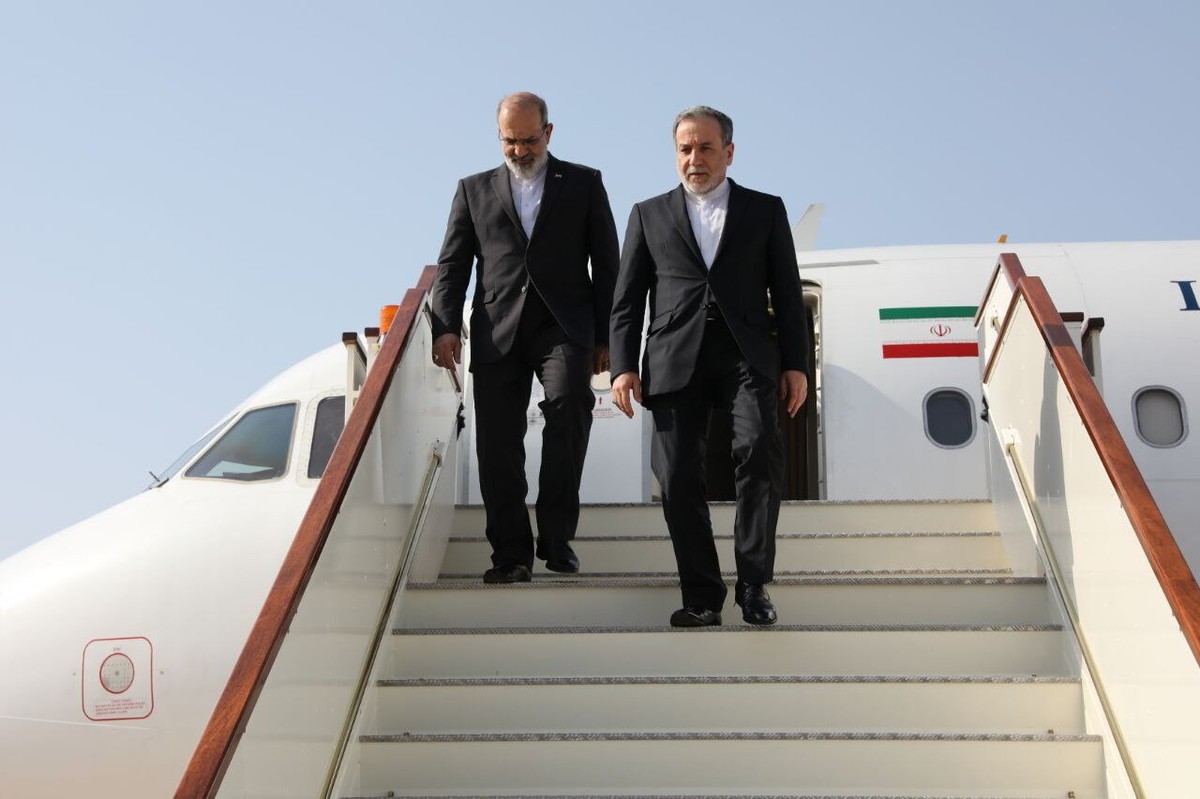
In the mask, where six -hour talks took place, The American side defined the course of negotiations as “positive and productive”. The US delegation was led by a special envoy of President Steve Witkoff, while the Iranian side was represented by the head of diplomacy Abbas Aragczi.
As Aragczi explained on Iranian state television, The conversations have entered a more detailed and serious phase Compared to previous meetings, although there are still discrepancies in both main and detailed matters.
See also: Explosion in an important port over the Strait of Ormuz. Negotiations in the background
The Minister of Foreign Affairs of Oman Badr Al-Busaidi, who acted as a mediator, noticed in the post on platform X that both parties identify the common will to reach an agreement based on mutual respect. He added Discussions largely focused on the principles and technical aspects of the potential contract. Further talks were initially planned for May 3.
One of the key disputes in negotiations is the issue of enriching uranium by Iran. According to US Secretary of State, Marco Rubio, Tehran must stop this process if he wants to sign an agreement. Rubio emphasized that nuclear fuel needed for nuclear power plants can be supplied from abroad. Meanwhile Iran maintains that enriching uranium is its “red line” in negotiations and treats every restriction of this activity as a serious concession.
The history of the American-Iranian nuclear agreement dates back to 2015, when Iran and global powers, including the US, reached an agreement limiting the enrichment of uranium to the level of 3.67 percent. In return, some of the economic sanctions imposed on Tehran were abolished. However, in 2018, during the presidency of Donald Trump, the US withdrew from the contract, motivating the decision with the dubious credibility of Iran. Tehran responded with a departure from the findings, exceeding the established limit of uranium enrichment.


