The second largest army in NATO makes a surprise move: where he sent an Awacs aircraft, after Russia's repeated incursions with airplanes and drones


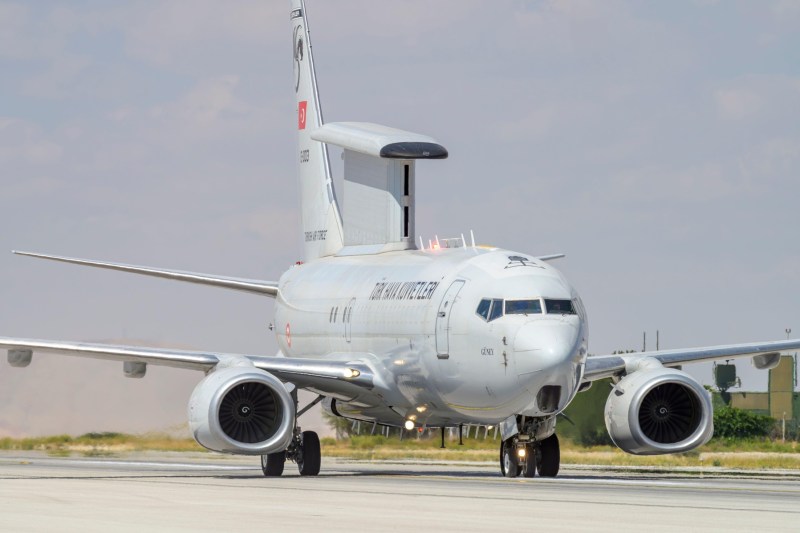
Konya, Turkey – February 7, 2025: Awacs aircraft. Several aircraft fighter jets in Turkey, United States, Qatar, Egypt, Hungary, Azerbaijan and Saudi Arabia gather for a military exercise known as Anatolian Eagle. Photo: Bogac Erkan / Alamy / Profimedia
Turkey has temporarily sent a warning and control plane to Lithuania as part of NATO's security measures, the Ministry of Defense in Ankara announced on Thursday, following repeated air spaces by Russian drones, Reuters reported.
Lithuania, Estonia, Romania, Denmark and Poland have announced that Russian drones or fighter jets have violated their air space in recent weeks, these incursions determining the North Atlantic Alliance to strengthen the defense around the Eastern Flank of Europe.
“Within the insurance measures of NATO, our AWACS aircraft (Airborne Warning and Control System, no missions in the Lithuanian air space between September 22-25,” the ministry said, in a press release.
Awacs aircraft are capable of detecting low -altitude drones and other objects that terrestrial radars do not detect.
The Ankara Ministry has not provided other information.
Poland brought down some of the drones, and the Lithuanian Parliament gave the armed forces on Tuesday the power to break any unanswered device (UAV) that violates its air space.
Western officials say that Russia violates air space to test NATO training and decision. Estonia and Poland asked the Alliance to initiate consultations under Article 4 of the founding treaty of NATO.
Article 4 stipulates that members of the North Atlantic Treaty Organization will consult whenever the territory, political independence or security of any of them is threatened.
Turkey, the second largest army in NATO, has strong connections with Russia in areas such as energy and tourism. Ankara condemned the widespread invasion of Ukraine by Moscow and offered Kiev military support, but refrained from joining Western sanctions against Russia, as part of a balance policy that, according to them, helps to discuss with both sides.