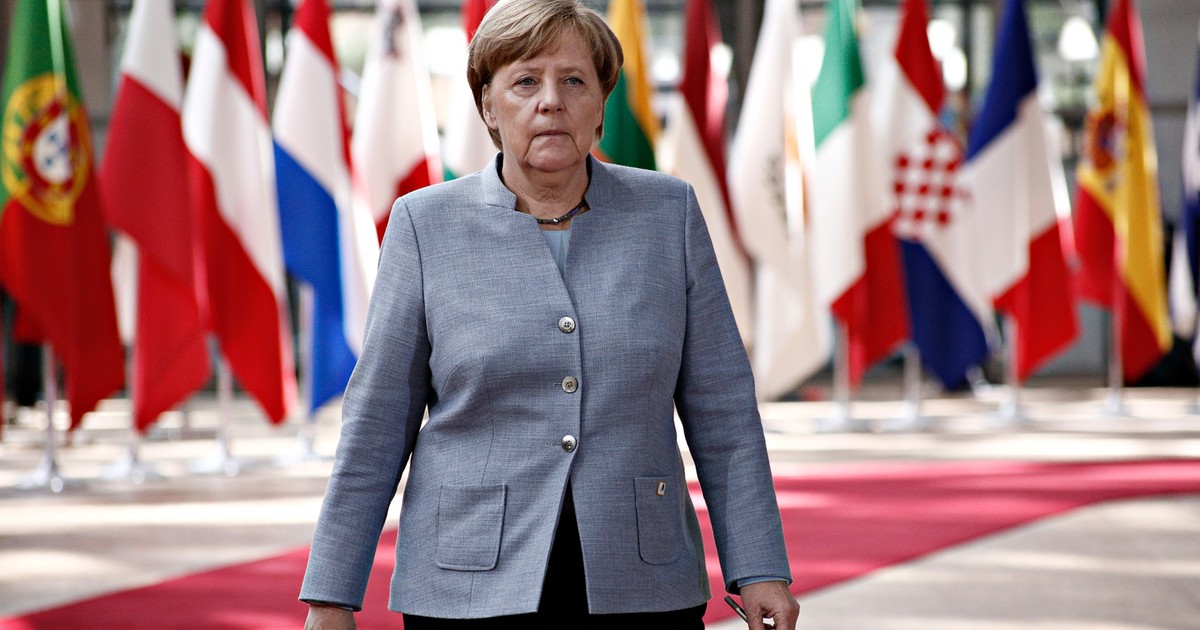
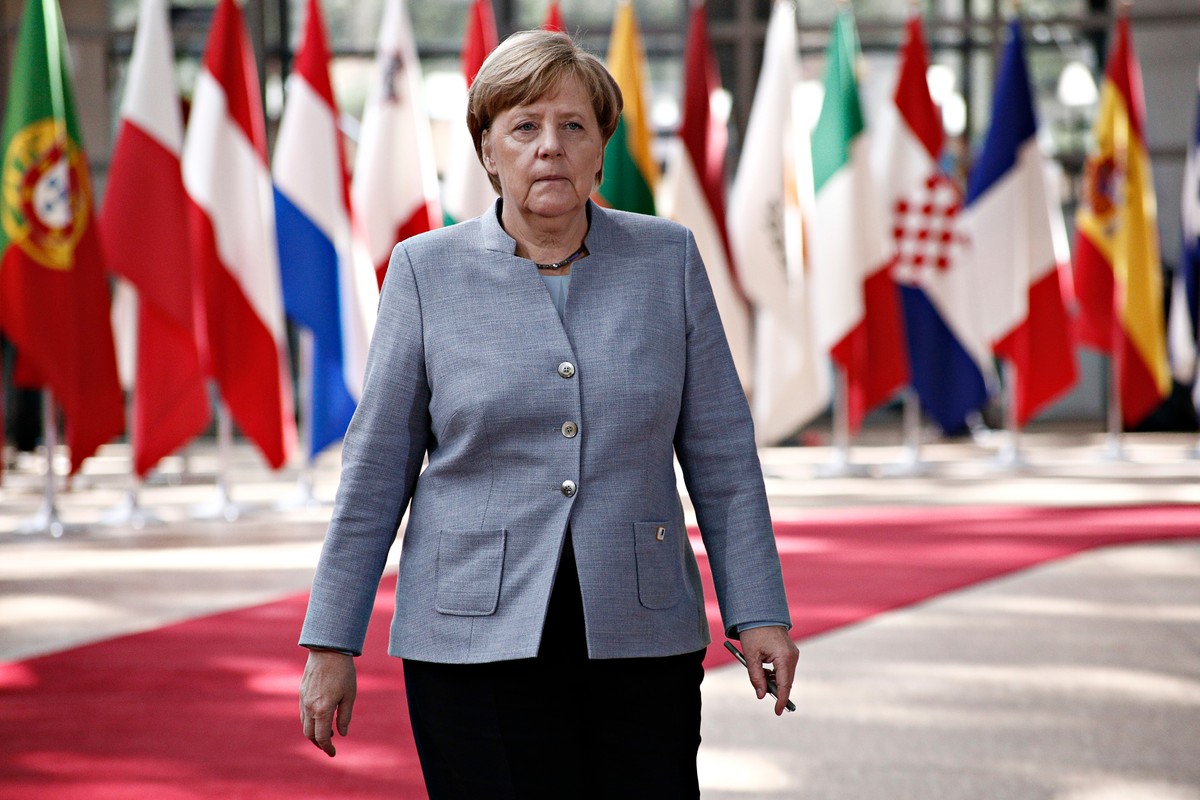
According to Zukas' account, published in his book this year, Merkel allegedly put pressure on the Ukrainian authorities at a key moment of the events in Crimea. The German daily “Die Welt” reports that the topic aroused outrage among the Lithuanian public, and the former chancellor's office refused to comment on the matter.
Jonas Vytautas Zukas, asked by “Die Welt” for details, explained that as a Lithuanian commander he was in Kiev, where he talked with Oleksandr Turchynov – former head of the Ukrainian secret services and speaker of parliament. According to Zukas' account, Turchynov allegedly said that the recommendation not to defend the parliament building in Crimea against the Russians' occupation came from Angela Merkel and was given in a telephone conversation.
The rest of the article below the video:
The German daily estimates that if these reports were confirmed, it would be a scandalous event. The editors of “Die Welt” asked Merkel's office for a comment, but in response they were told that the former chancellor did not comment on individual opinions appearing in the media..
Criticism of Angela Merkel's policy in Central and Eastern Europe
The countries of Central and Eastern Europe have long been critical of Angela Merkel's policy, not only in the context of the events of 2014. The German daily reminds that the negative opinions intensified after Merkel's interview for the Hungarian website Partizan, in which the former chancellor suggested an indirect connection between the outbreak of the war in Ukraine and the reluctance of the countries of the region to negotiate with Russia.
The authors of the article in “Die Welt”, Philipp Fritz and Pavel Lokshin, emphasize that Merkel's harsh assessments in Central and Eastern Europe result from the belief that her decisions have caused lasting damage to Germany and Europe in three key policy areas. They point to Germany's dependence on Russian energy supplies, excessive trust in Russia and underestimation of the consequences of mass immigration for Europe.
Read also: Angela Merkel attacks Poland? Spokesperson on what the former German Chancellor actually said
In the opinion of “Die Welt”, these three mistakes were supposed to enable or at least favor the actions of Vladimir Putin, leading to the current geopolitical situation in the region.