The movement “Berlin without cars” wants a referendum to limit car traffic to 12 days a year in the center of the German capital

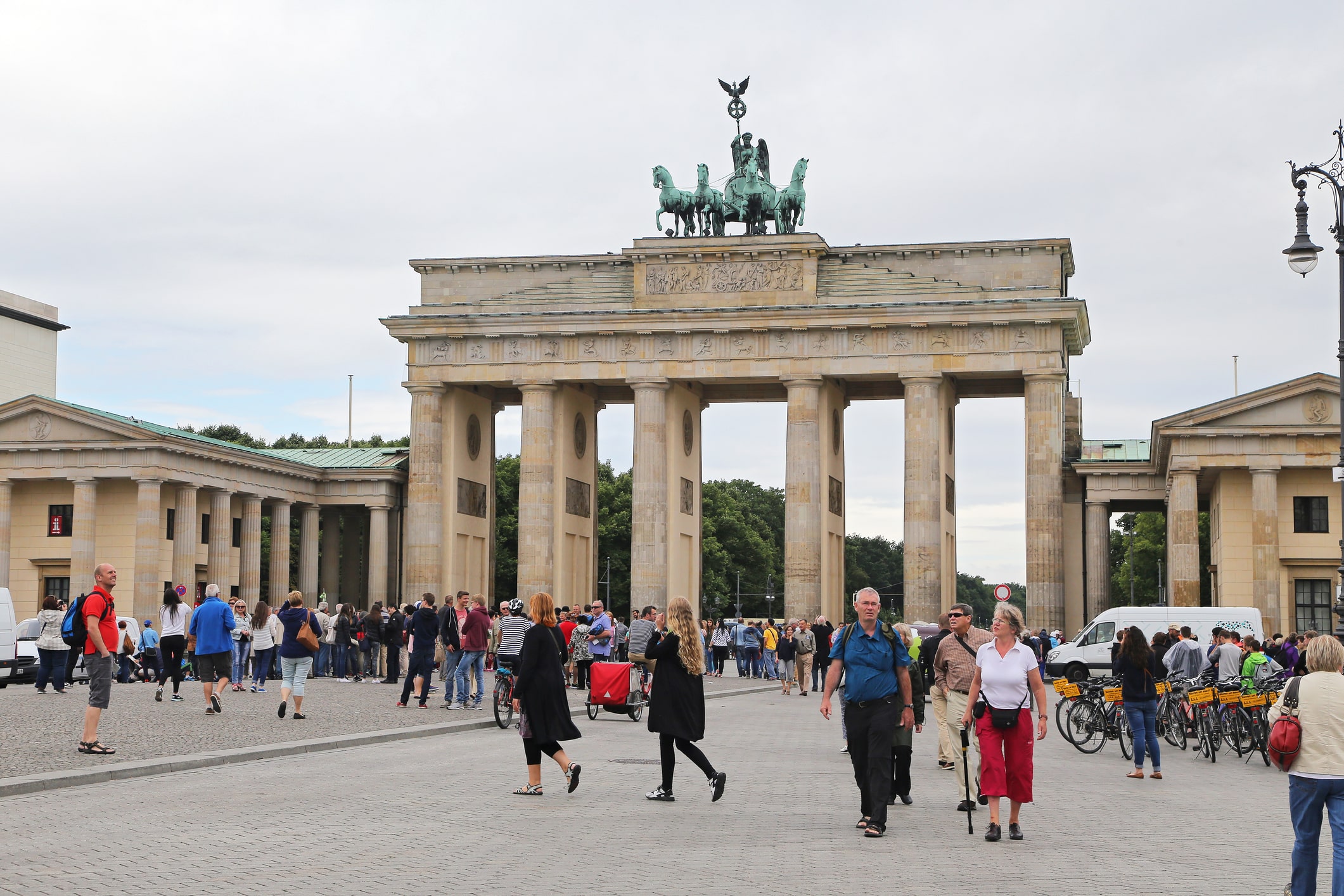
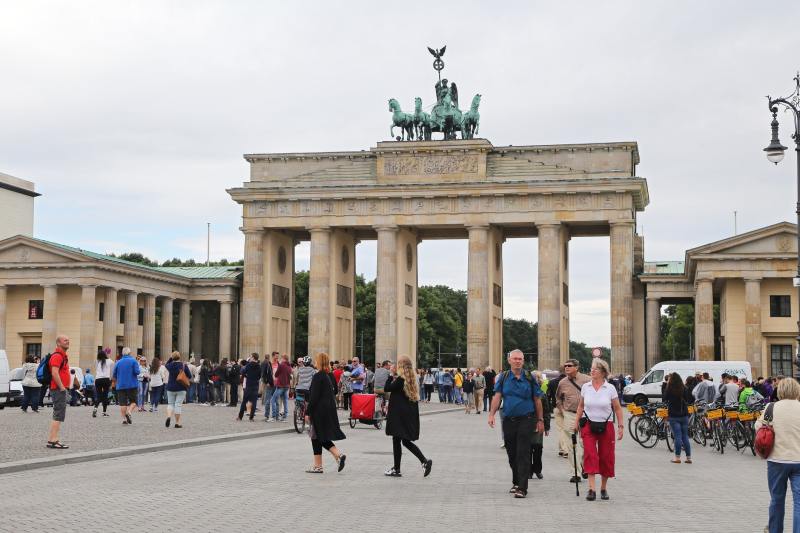
People walking around the Brandenburg Gate in Berlin, one of the most famous symbols of Germany, PHOTO: Salvatore Conte / Dreamstime.com
An ecological movement, “Berlin without cars”, proposes a referendum, in 2026, if it collects 180,000 signatures, in order to drastically reduce the circulation of cars in the center of the German capital, after this project was declared constitutional in June, writes the French daily Le Figaro, according to News.ro.
According to the environmental project, every resident should have the right to use their vehicle only 12 days a year inside the S-Bahn-Ring, a railway belt that delimits the center of the capital.
This initiative wants to transform most streets into “reduced traffic areas” after a four-year transition period.
Concretely, individuals will then have 12 periods of 24 hours to use their personal vehicle.
An additional 12 days will be given to each person in the household, so a couple with three children can drive 60 days a year.
This measure would not cover people with reduced mobility, taxis, delivery services, craftsmen and emergency services.
What chances does the initiative have
On June 25, the Berlin Constitutional Court validated the constitutionality of the project. The judges determined that this measure, included in a draft law on the use of roads “in the general interest”, does not violate any fundamental right.
In this decision it is shown without ambiguity that driving a car on public roads is not an intangible constitutional right and it is recognized that a reduction in car traffic has legitimate objectives of public health and climate protection.
Following this decision, the Berlin Chamber of Deputies has until November 25 to decide whether to adopt or reject the essential content of the draft law. Most likely, the Chamber will reject this project.
Chancellor Friedrich Merz's Christian Democratic Union Party (CDU, conservatives), which leads a local coalition in Berlin that includes the Social Democratic Party (SPD, center-left), has clearly opposed this referendum.
The President of the Mobility Commission in the Berlin Parliament, Johannes Kraft (CDU), categorized these 12 days as a “bureaucratic monster” and denounced a “de facto expropriation” that harms private prosperity.
If the Berlin MPs reject the project, “Car-free Berlin” can ask for a public consultation within a month.
In a four-month campaign, the environmental movement can ask voters in Berlin to support a referendum.
If 7% of voters validate the project, i.e. if it collects 180,000 signatures, a referendum will be held in 2026.
The Berlin right is furious, while “Berlin without cars” takes a radical position.
The objective of the movement is to drastically reduce the number of cars in circulation.
“Berlin's future must belong to security, the fight against climate change and health, not unrestrained car traffic,” proclaim the initiators on the official website.