

Two Poles went on an all-inclusive holiday to Albania, where they encountered serious difficulties on the first day of their stay. The noise resulting from the demolition of two hotel swimming pools, the seaside promenade and the sea entrance effectively disturbed their relaxation. The work lasted four days, and in the following days the construction of the fifth floor of the hotel began.
According to the CJEU statement, holidaymakers also had to struggle with organizational problems in the hotel, where meals were served in limited quantities, which led to long queues. Afternoon teas were canceled and the situation was far from the standards promised by the tour organizer.
The CJEU rules. Refund for trips
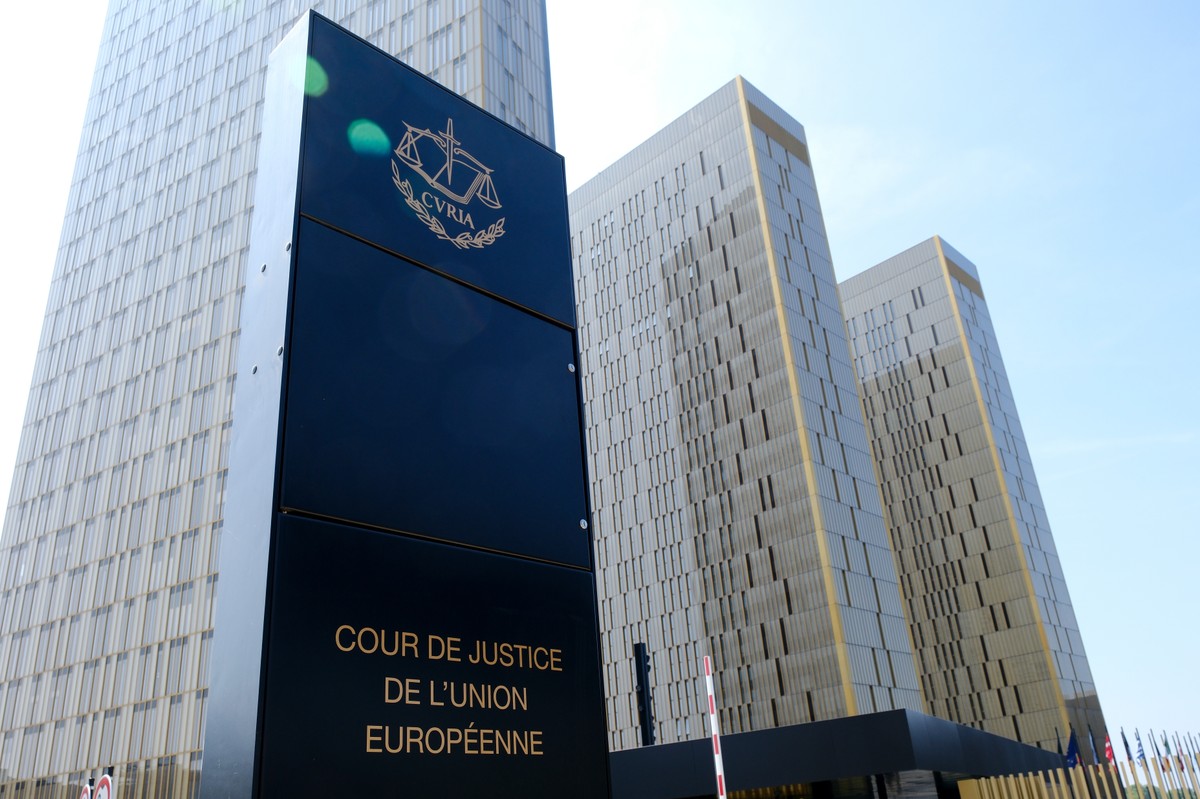
The Tribunal ruled that in such cases, where gross improper performance of services causes the trip to lose its purpose, tourists are entitled to a refund of the full trip price. The CJEU emphasized that even if some of the services were provided, their quality may be so inadequate that the traveler has the right to claim reimbursement.
However, when it comes to compensation, the situation is different. The Tribunal noted that, in accordance with the EU directive, compensation is not due if the organizer proves that the non-performance or improper performance of services resulted from the actions of a third party, which were unforeseeable and unavoidable. In the case of the demolition of swimming pools ordered by the Albanian authorities, the CJEU pointed out that administrative decisions are often made public, which may mean that the organizer should have been aware of the planned works.
Ultimately, it is up to the Polish court to decide
“It is for the national court to determine whether the tour operator or facility manager was informed of the demolition decision before its implementation.” – emphasized the Court in its statement.
Although the CJEU does not resolve domestic disputes, its interpretation of EU regulations will be crucial for the Polish court, which will issue the final judgment in the tourists' case.


