A gastroenterologist reveals a surprising transformation to the face if you give up sugar for just two weeks

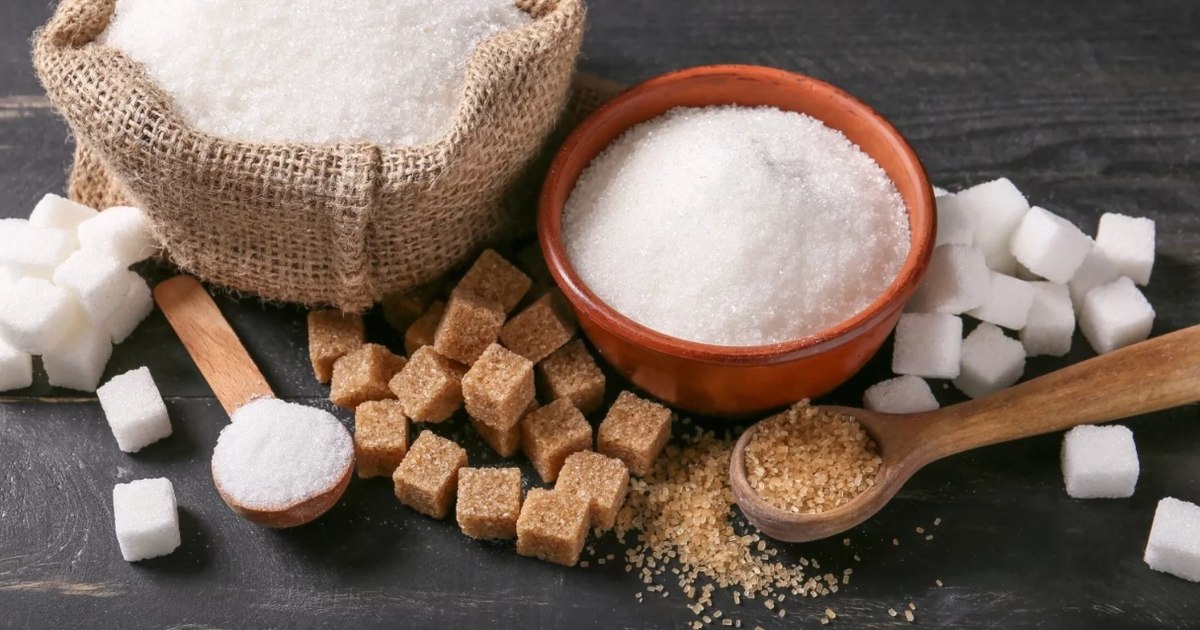
A famous doctor revealed Tiktok what happens to your body, just two weeks after giving up sugar.
Sugar causes inflammation in the body photo: archive, truth
Dr. Sarabh Sethi, a specialized gastroenterologist at Harvard, who posts tips on intestine health for over 500,000 followers, claims that giving up sugar can have surprisingly fast effects.
“Your face will gain a more natural shape. Any swelling or retention of liquids around the eyes will be reduced. You will also notice a reduction in abdominal fat liver fat It starts to decrease, ” he said in the video that has already collected over 10,000 views, according to Dailymail.
The doctor argues that the elimination of sugar can restore a healthier intestinal microbiome – the trillions of microorganisms that live in the digestive tract and play a key role in decomposition of food and the absorption of nutrients.
“Finally, if you have acne or red spots, the skin should improve and look clearer”, explained Dr. Sarabh Sethi.
A study conducted in 2019 on more than 8,000 students from China found that soft sugar soft drinks increase “Semnify ” the risk of acne. Other research has associated excess sugar with fat accumulation in the liver and inflammation.
Nutritionists have long underlined sugar elimination, which can cause drug -like desires, can improve health, fitness and even work performance.
Dr. Samantha Coogan, a lecturer at the University of Nevada, previously described the effects of sweet renunciation.
Symptoms of withdrawal, such as headaches, stomach pains and intestinal changes, can take days or even weeks, but once the body adapts, he said that people often notice a clearer function of the brain, fewer days and more energy for physical exercises.
According to Dr. Coogan, hair, skin and nails, they also improve, sleep becomes more restful and weight loss is “inevitable” when high calorie snacks are eliminated.
The gradual elimination of sugar significantly reduces the risk of serious diseases, while excessive consumption can lead to serious diseases, such as: type 2 diabetes, heart disease and cancer.