
“Ask your daughters what I might have meant.” Merz touched upon a taboo about which Germans remain silent [KOMENTARZ]


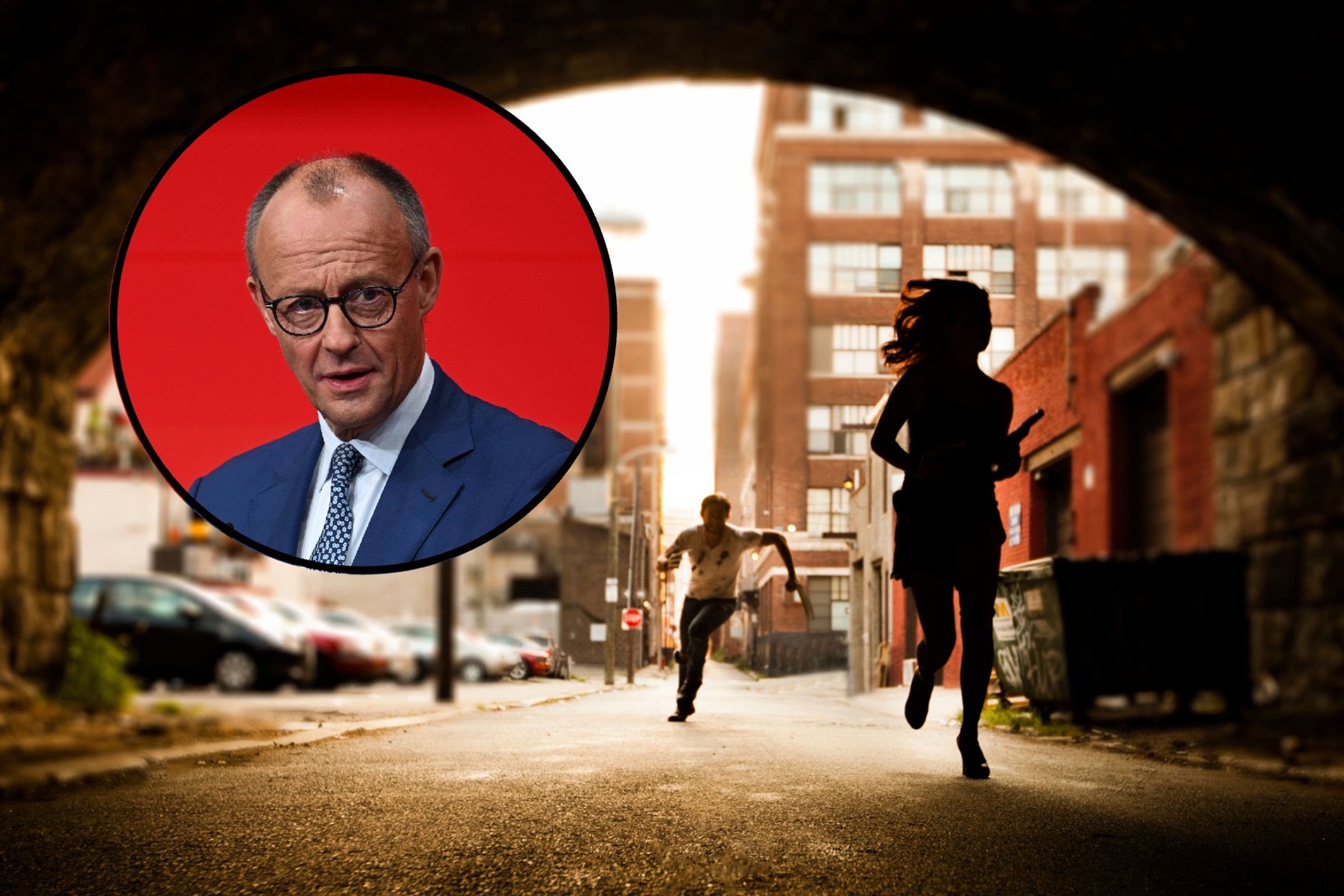
Last week in Potsdam, Friedrich Merz took up the debate on Germany's “urban landscape”. With just a few words, he probably triggered a wave of criticism it encompasses more than he had in mind.
Merz reported that the number of refugees arriving in Germany has decreased since he took office. But he added: – Of course, we still have this problem in the urban landscape. However, the Chancellor did not immediately explain what exactly he meant. Then, quite refreshingly in a culture of morality-laden debates, in response to a journalist's question he announced: “I'm not taking back my words.” On the contrary: I emphasize this again.
– Ask your daughters what I might have meant.
Merz said finally.
Well, I'm a daughter. And I know what he might have meant. It's about growing feeling insecure in public space. And yes, it's also about migration and cultural differences. Daughters can tell a lot about this. Their silence is even more terrifying: The moral linguistic corset that has emerged in recent years has become too tight.
Women are in town, but not in the debate
Not so long ago, a scandal was caused by the public statement that girls were putting themselves in danger by going out drunk at night. Whoever said this was suspected of holding women responsible for assaults by men.
Today the situation is different.
The drunken daughters of those times are now older, appear on talk shows and give unusual advice – just like German journalist Ulrike Winkelmann recently. In the program of TV presenter Markus Lanza, she said: – We learn how to behave. Not every woman is a victim and she doesn't have to be.
Si tacuisses, philosophus mansisses (from Latin: “if you were silent, you would be a philosopher”), one would like to say to Mrs. Winkelmann. The same is true of many committed daughters who gathered in front of the Brandenburg Gate over the weekend to show that they are the good ones: “We are the ones who create the image of the city!” – they chanted. However, in many German cities, women after dark are anything but the “image of the city”.
The article continues below the video
“Daughters remain on the margins”
The discussion takes place like a carefully choreographed pantomime: dancing around the elephant in the room [to określenie zapożyczone z angielskiego odnoszące się do tematu tabu]. According to a Deutschlandtrend survey conducted in July 2024, approximately 40 percent respondents no longer felt safe in public spaces. In 2017 it was 27 percent. Between 2015 and 2024, the number of reported crimes against sexual self-determination increased by approximately 177%.
A study by the Federal Ministry of the Interior shows that violence against women is increasing in almost all areas of life. According to nationwide crime statistics, the number of cases of personal injury in public spaces has increased by almost a quarter since 2017. About 40 percent suspected of committing these crimes does not have a German passport. The share of this group in the population is approximately 15%.
Consequently, the Berlin Green Party is demanding its introduction women's compartments on trains. How they plan to reconcile this with the principle of equality and individual self-determination remains a mystery.
Trapped in the web of their own moral dilemmas, it is the daughters who remain on the margins.
Merz deserves credit for raising this issue. This is just the beginning. Daughters of the world, break the silence!


