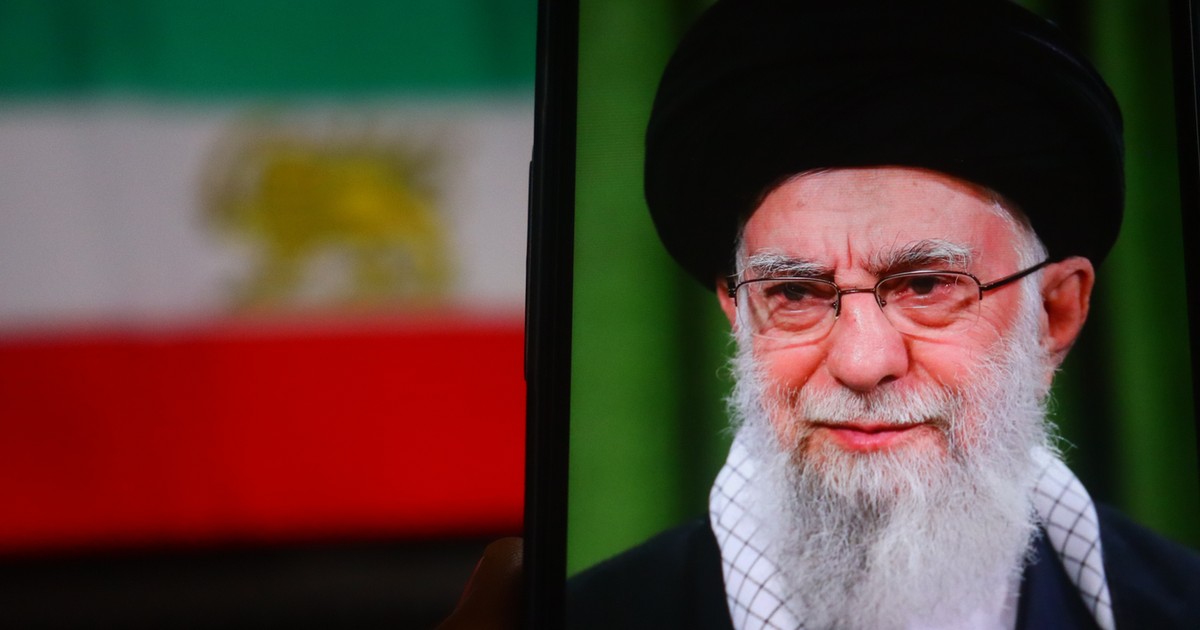
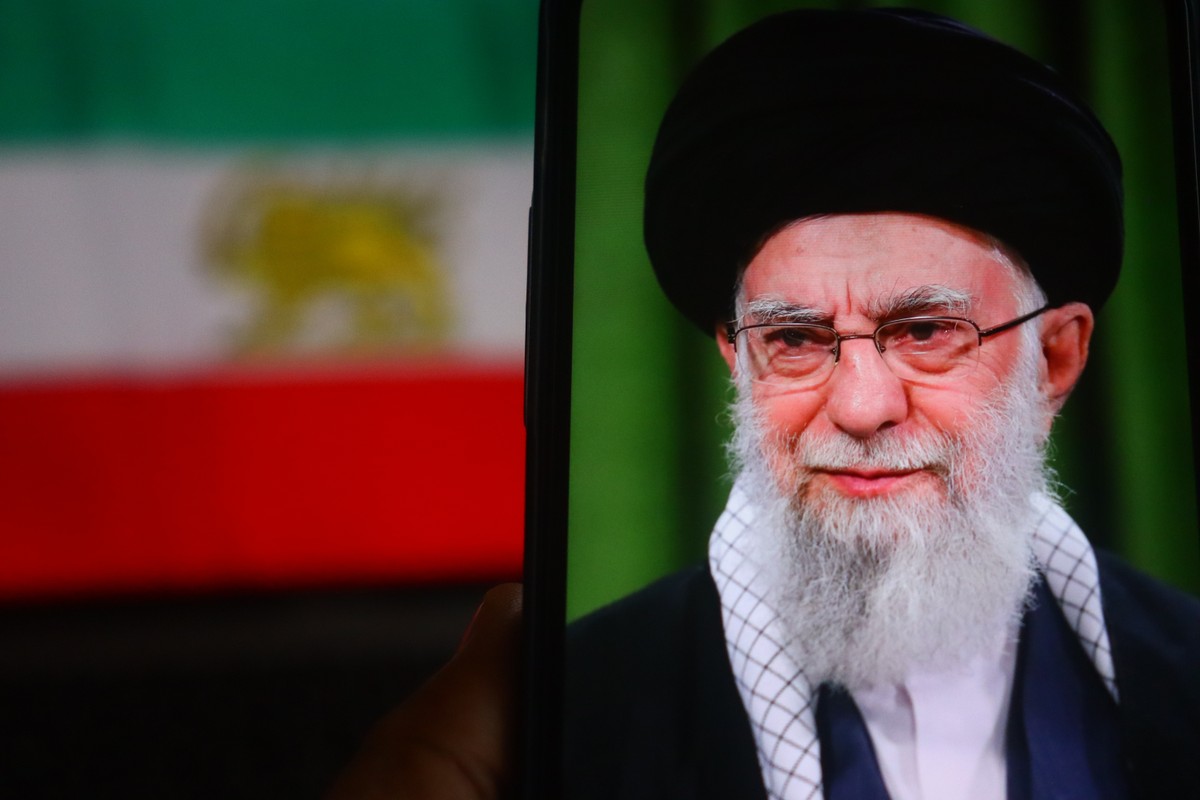
Ten years ago the signing of the Joint Comprehensive Plan of Action (JCPOA) was considered a diplomatic breakthrough. The initiative, led by then US President Barack Obama, was intended to dispel the international community's concerns about Iran's potential pursuit of developing nuclear weapons under the pretext of developing nuclear energy. As part of the agreement, Iran pledged to limit uranium enrichment and allow International Atomic Energy Agency (IAEA) inspectors to inspect its nuclear program. In return, sanctions that were severely affecting the country's economy were lifted.
However, the effectiveness of the JCPOA was questioned already in 2018, when President Donald Trump announced the US withdrawal from the agreement and launched a policy of “maximum pressure” against Iran. In response, Tehran began violating the established limits, increasing its stockpile of enriched uranium and developing its nuclear capabilities. According to experts, Iran has achieved the status of a threshold state, which means that it has the technology to create nuclear weapons, although it has not yet decided to produce them. The IAEA reports that Iran has stockpiled approximately 440 kg of uranium enriched to 60 percent, which – if further enriched – could be enough to construct eight to ten nuclear bombs.
The situation was further exacerbated by the events of June 2025.when Israel, viewing Iran's nuclear program as an “existential threat,” launched attacks on key nuclear sites in Fordo and Natanz. The United States also participated in the operation, which lasted 12 days, and as a result, several scientists involved in the development of the program died. Tehran responded by suspending cooperation with the IAEA and threatening to leave the Nuclear Non-Proliferation Treaty (NPT). The UN, accusing Iran of failing to meet its obligations, decided to restore previously lifted sanctions.
Opinions are divided about the effectiveness of Israeli-American actions. The US side claims that the operations have significantly delayed the development of Iran's nuclear program, but many analysts believe that the country will be able to rebuild its potential within a few months.
The future of any new negotiations remains uncertain. Experts indicate that Iran, isolated internationally, may decide to build its own nuclear arsenal as a security guarantee. On the other hand, the difficult economic situation of the country, where inflation reaches 40-50 percent and about a quarter of the inhabitants live below the poverty line, may prompt the authorities to re-talk.
This week, President Donald Trump, during his visit to Israel, expressed his readiness to negotiate with Tehran, provided Iran is “ready for it.” At the same time, the US is setting tough conditions, demanding a complete ban on uranium enrichment, which goes beyond the provisions of the JCPOA. Analysts suggest that Washington may be playing for time, hoping to further weaken Iran under economic pressure, which will force it to make concessions.