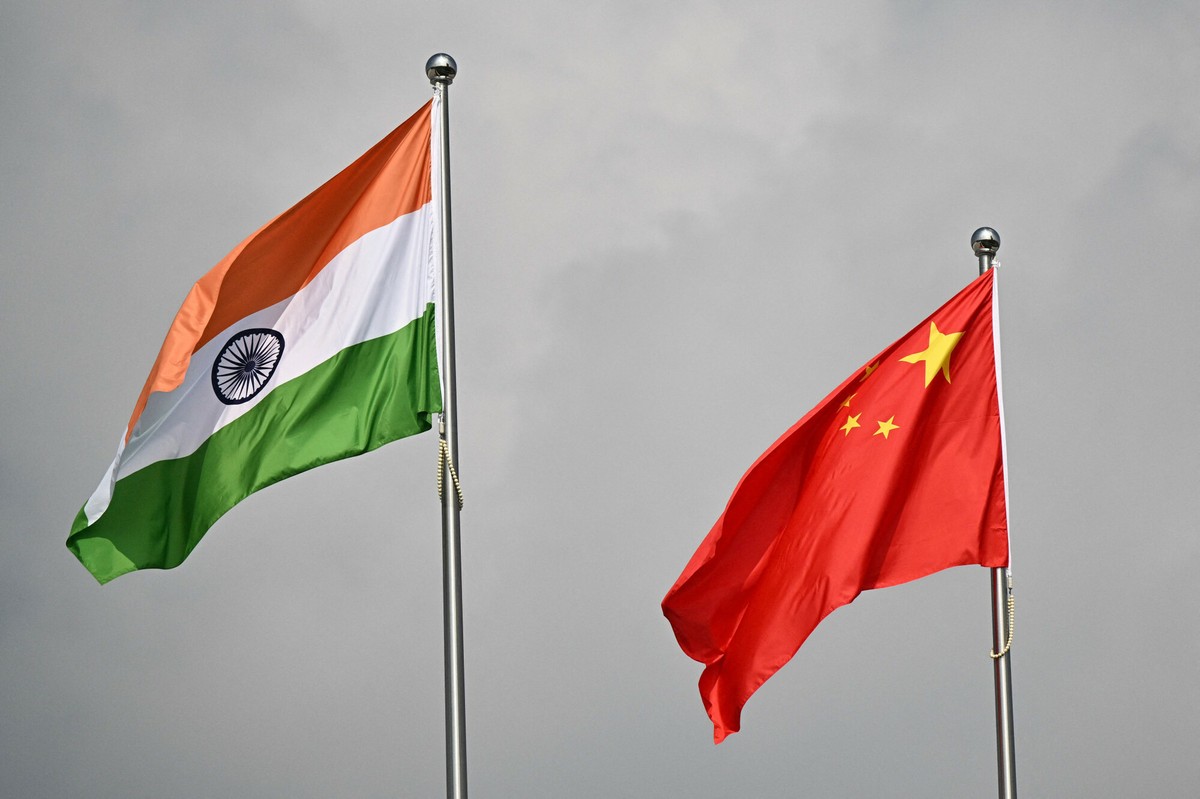
The announcement from the Chinese Ministry of Commerce emphasized that the regulations introduced by India violate the fundamental principle of equal treatment of all WTO members. Beijing also points to Delhi's use of the so-called prohibited 'import substitute subsidies'. Filing a request for consultations with the WTO is the first formal step in the trade dispute resolution process.
China says it will take “decisive action to protect the rights and interests of domestic industry.” According to a representative of the Chinese authorities, Indian trade policy is causing increasing concern among WTO members. The Commerce Ministry's statement called on India to “comply with international obligations and immediately correct erroneous practices.” However, details about the complaint itself were not disclosed.
This is not the first time China has taken cases to the WTO over electric vehicle regulations. Last November, Beijing filed a lawsuit against the European Union, challenging the introduction of countervailing duties on Chinese exports of electric vehicles.
Trade tensions between China and India
According to Indian media reports, China's current complaint may be related to Delhi's planned strategic stockpile program for critical minerals. This program aims to provide access to rare earth metals and support domestic mining and processing of these key raw materials. India's decision could be a response to Beijing's announcement of tightening controls on the export of rare earth metals and related technologies.
Trade relations between China and India have been tense for years. China remains India's second largest trading partner, but this relationship is dominated by a huge trade deficit. In the 2024-2025 fiscal year, it reached a record high of $99.2 billion.