Digital nomad talks about the biggest disadvantages of this lifestyle

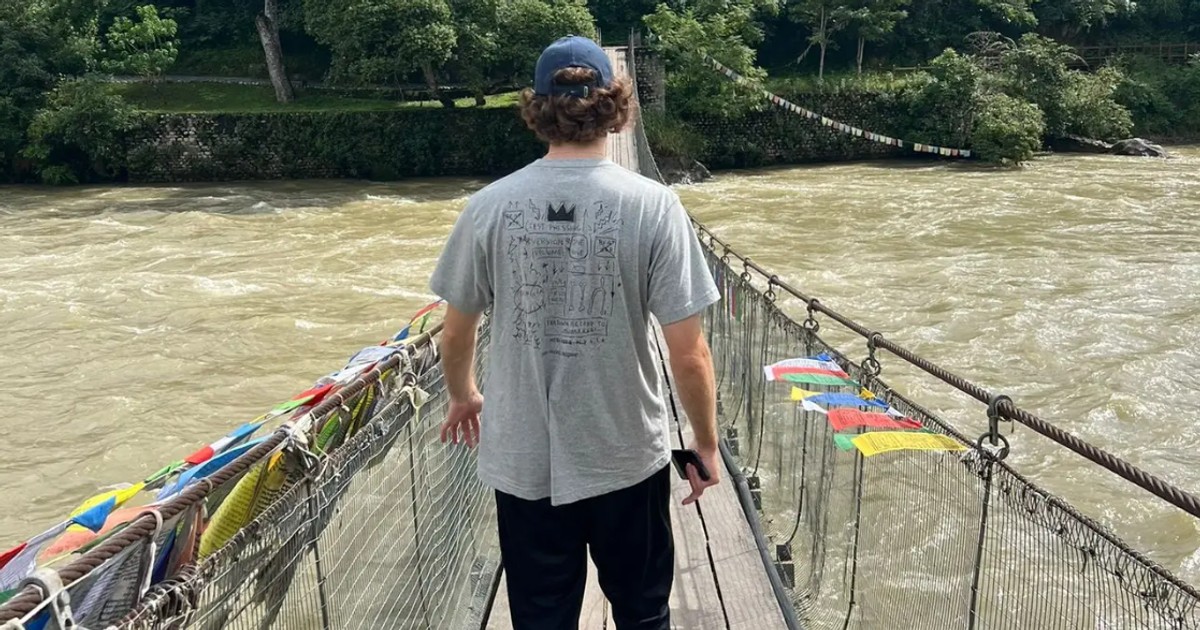
I've always liked change. I thrive in unfamiliar surroundings and am excited by spontaneous decisions and last-minute adventures. It's no wonder that I almost accidentally became a “digital nomad” – this term, by the way, has always seemed a bit embarrassing to me.
By “random” I mean that everything happened gradually. From weekend trips from London to Marrakech and Marseille, to a month in Barcelona, to six weeks traveling around Europe by train, the more I traveled, the more I wanted to see.
Read also in BUSINESS INSIDER
So I decided to lead a life that would allow me to move from place to place, working remotely as a freelancer – journalist and copywriter. In 2019, I hit the road for good.
Like others tagging their photos with the #todaysoffice hashtag, over the following years I surfed badly in Sri Lanka, climbed volcanoes in Guatemala, skied in Colorado, and many other things.
However, after almost seven years of traveling full time, I felt I was ready for something different.
Apart from an extended stay in the UK during the COVID-19 pandemic, I haven't had a permanent place to stay for longer than three months. Traveling has brought me unforgettable experiences and allowed me to meet amazing people. Over time, however, the disadvantages of this lifestyle began to come to light.
During my time abroad, I had many amazing adventures, including climbing a volcano in Guatemala
|
AdamTurner
Of course, it's hard not to sound ungrateful when talking about the downsides of traveling, but it would be unfair to ignore them – especially in a time when everything is idealized.
Firstly maintaining relationships is difficultwhen you're constantly on the move. I realized that loneliness can occur even when you live in five-star hotels or relax on tropical beaches.
Plus there is constant packing and unpacking every few days, which quickly becomes tiring. Like endless search for short-term accommodation — combing the Internet looking for a place with good Wi-Fi and a work table (finding the motivation to work in such beautiful places is a separate challenge).
What's more, After some time, even the most spectacular sunsets cease to impress. I don't know when it happened, but at some point I stopped feeling that thrill that I used to feel when arriving in a new place (I know how it sounds).
A few years ago, in the Grenadines, I asked a captain who had been traveling for almost 50 years how he chose where to settle.
“You can search and search all your life,” he told me as we sat on the bow of his catamaran, surrounded by a pale blue sky and a sparkling sea. “But sometimes you have to know when you've arrived,” he added.
I didn't fully understand it then, but now I do: there is no “perfect place” to live.
So after almost seven years abroad, I finally decided it was time to find my base.
See also: Thailand attracts real estate investors, but experts warn. “Doesn't forgive mistakes”
The desire to travel has not disappeared, but the need for routine is stronger
Choosing a place to settle turned out to be more difficult than I expected. For a long time, nothing felt right.
I wasn't looking for a classic 9-5 job or a place to stay for life – just a base from which I could travel while having friends and a community I wouldn't have to say goodbye to every few months. A place where I could regularly do what I enjoy: pottery, writing, yoga, or swimming in the sea, and return to familiar surroundings.
Like many decisions made while traveling, I stopped forcing things and let everything happen naturally.
To my surprise it took me closer to “home” than I expected. I decided to settle on the north-east coast of England, near Newcastle, just an hour from where I grew up. It is a windy region, often lashed with rain, with gray skies and icy cold seas.
It's not the tropical island I once dreamed of, but it does provide a sense of stability — as if I had actually arrived there.
I don't have the need to travel for now (it's only been a few months), although I know that will change. When this happens, I probably won't disappear as often or for as long as I used to.
I'm not saying I've found lasting happiness just because I have a permanent place, but it has given me space to be creative, slow down, and build a routine.
Read also: “Over time I realized that something was wrong.” The Hungarian describes growing up in Orban's country
It also helped me appreciate little things that I had previously missed – seeing friends, playing golf regularly with my dad, and working on projects that were impossible to complete while constantly moving between hotels.
And it's good to know that this time I don't have to rush anywhere.
The above text is a translation from American edition of Business Insider