The US-China conflict is no longer a chess game. A bare-knuckle fight has just started


The new fees will have relatively little impact on the United States, given that the U.S. exports to China only a fraction of the cargo that flows the other way. But Beijing's willingness to impose fees underscores how the U.S.-China trade conflict, which began with tariff increases in February, has spread to sectors of the economy that were previously insulated from those tensions. This raises the stakes in ongoing negotiations ahead of the Nov. 10 deadline for a trade deal between the United States and China.
– It is symbolic – less than one percent. U.S. ships docking in China annually are U.S.-flag ships, so it doesn't actually have any real impact, says Cameron Johnson, senior partner at Shanghai-based supply chain consulting firm Tidalwave Solutions.
But it signals that Beijing will respond to any U.S. action against China — if the U.S. imposes sanctions on a Chinese company, they will impose sanctions on a U.S. company. If we impose technology export controls, they will also impose technology export controls. We have just entered a whole new level of trade war that no one expected
– adds the expert.
Consumers will pay
The Trump administration says U.S. port fees will help revitalize the U.S. shipbuilding industry and reduce the risky U.S. dependence on Chinese carriers that the Office of the U.S. Trade Representative says.
Major ocean carriers have signaled they plan to cover the new costs. However, U.S. retailers, manufacturers and shipping experts warn that this will likely be short-lived and they will eventually have to pass on the fees to consumers. Higher costs will be an additional burden on the maritime transport industry, which handles over 80 percent of world trade and is already struggling with the devastating effects of Trump's sweeping tariffs.
Imports of goods into the United States transported on vessels owned or operated by Chinese companies will be subject to a $50 port fee starting next week. [184 zł] per ton, and their amount will increase by USD 30. [110 zł] per tonne per year for the next three years. Under the new policy, fees will also be levied on non-Chinese operators of China-built ships. China's retaliatory port fees will also increase annually, reaching a maximum of $157. [około 580 zł] in 2028
US and Chinese tariffs 'pose a risk to exporters, producers and consumers at a time when global trade is already under pressure' – points out Joe Kramek, president of the non-profit organization World Shipping Council, which supports the maritime shipping sector.
A corporate lobbyist representing a U.S. maritime industry group says member companies are bracing for supply chain complications as well as higher costs in fees and regulatory burdens to demonstrate regulatory compliance.
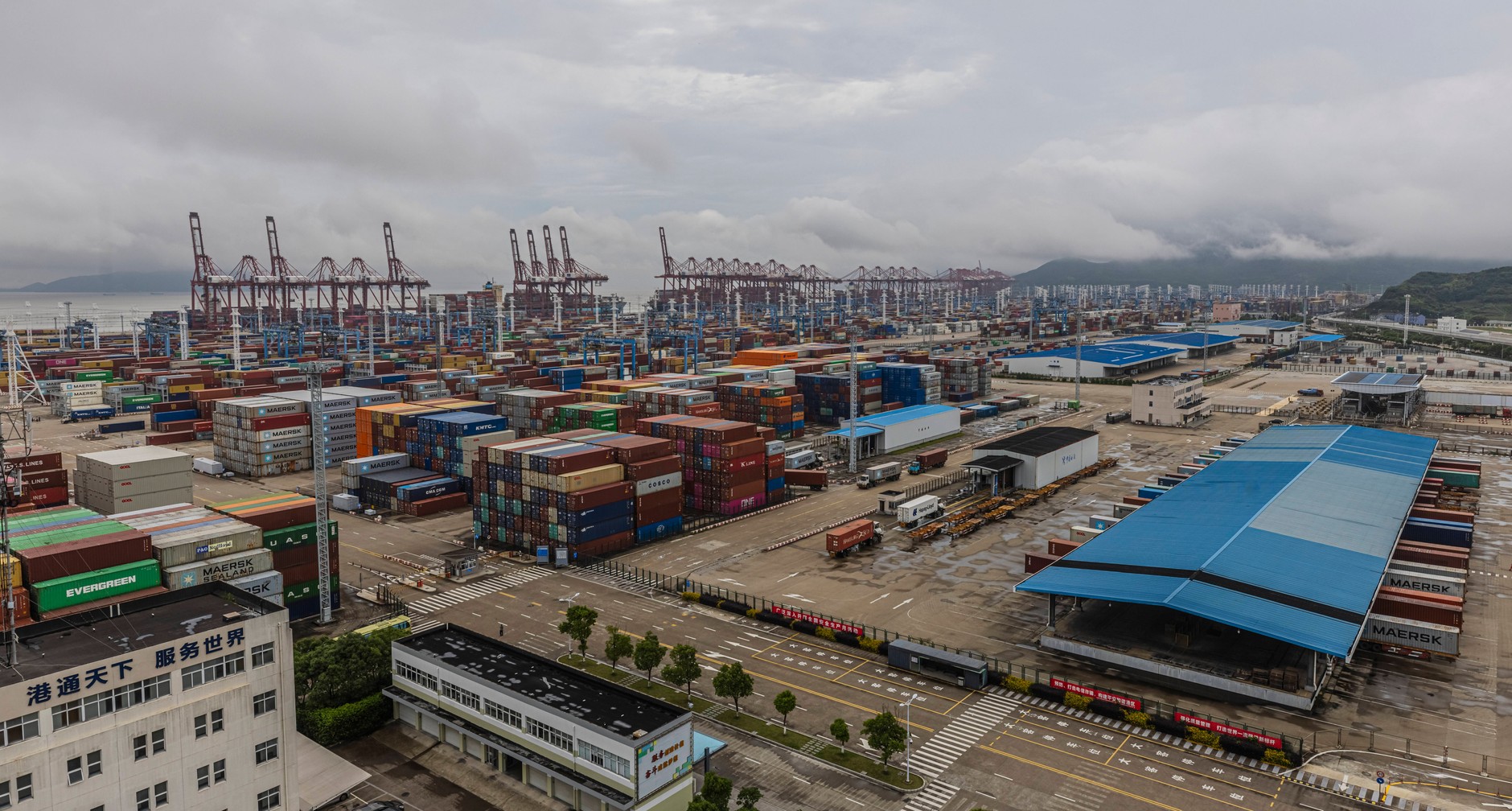
The world's largest by tonnage of handled cargo, Ningbo Zhoushan Port in Ningbo, Zhejiang Province, China, June 9, 2021.ALEX PLAVEVSKI / PAP
“Repellent”
The new fines are the result of a petition filed last year by five U.S. labor unions that triggered a trade investigation that concluded that Chinese maritime and shipbuilding practices were harmful to the U.S. industry, which has been in decline since the late 1970s.
“If the goal is to get the U.S. shipbuilding industry back on track, we think there are other ways we should be focusing on — just imposing fees on Chinese ships won't solve the problem,” says Jonathan Gold, vice president of supply chain and customs policy at the National Retail Federation, a Washington-based group that represents companies in the sector. retail.
But supporters of the new port fees argue that they are part of a series of measures that will help restore the dominance of American shipping.including the executive order signed by Trump aimed at creating financial incentive programs for American freight forwarders.
The United Steelworkers and the International Association of Machinists and Aerospace Workers, two of the groups that filed the petition last year, on Friday praised the final results of the investigation.
“The U.S. shipbuilding and maritime sectors are critical to our economic and national security. For too long, policymakers have ignored the dramatic decline in these sectors and China's actions to gain dominance over them,” they said in a statement.
“From supply chains, to shipyards and ports, to the ships themselves, America must restore these capabilities. USTR's relief funds will help our country chart a better course,” they added.
Unions have pressured the administration to make fees high enough to make Chinese ships less competitive and to increase demand for U.S. ships, said Michael Wessel, president of Wessel Group, a consulting firm that works closely with the unions that filed petitions last year. “We sought to establish fees that would provide a real deterrent” to the use of Chinese ships, Wessel said.
The article continues below the video
Blow for blow
A White House official did not respond to a series of specific questions about price increases and disruptions to the flow of goods, but reiterated the president's overall mission: “The Administration is committed to protecting America's national and economic security while providing economic relief to Americans,” he said anonymously.
The port fees threaten to further worsen the Trump administration's already tense relationship with Beijing just weeks before his own Nov. 10 deadline for reaching a new trade deal between the United States and China. The two governments have been negotiating since May, after Trump briefly raised tariffs on Chinese goods to triple digits, but they have made no significant progress on key issues.
China has responded to Trump's latest trade actions with a series of measures, including export controls on key minerals and halting purchases of U.S. soybeans — a major blow to Midwestern farmers — as well as new fees on U.S. ships.
In a statement on Sunday, a spokesman for China's Ministry of Commerce said the retaliatory port fees were “necessary defensive measures to protect the legitimate rights and interests of China's industries and enterprises, as well as to maintain fair conditions of competition in international shipping and shipbuilding markets.”“.
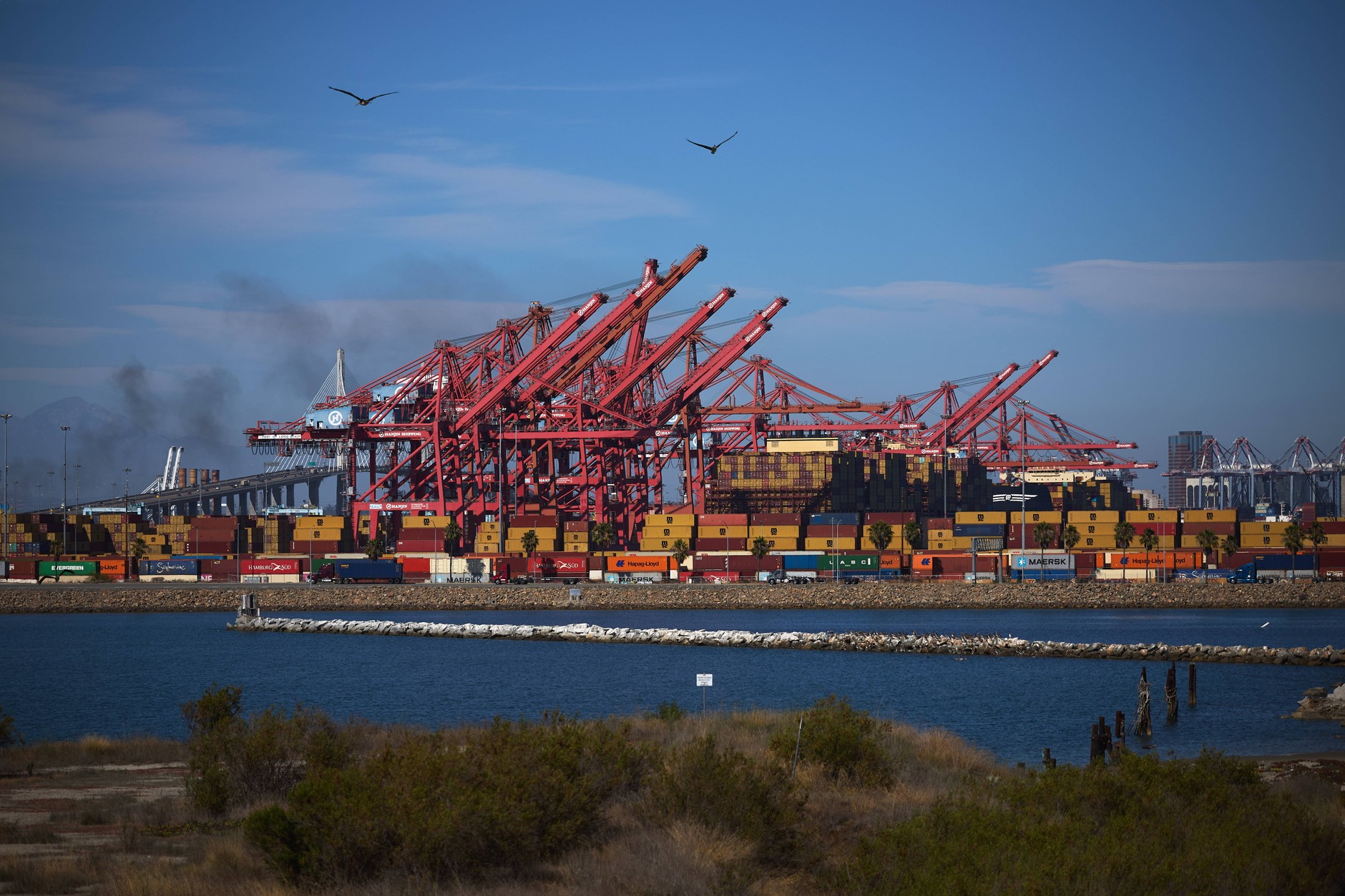
View of the largest seaport in the US, the Port of Los Angeles in California, USA, July 9, 2025.Allison Dinner / PAP
“During the holiday season, store shelves can be literally empty.”
US port fees on Chinese ships are expected to have a much greater impact on the shipping industry. Shipping consulting firm Alphaliner said in an analysis released earlier this month that the fees would cost the 10 largest container shipping companies — including China's state-owned shipping company COSCO, Denmark's Maersk and France's CMA CGM — a total of $3 billion to $200 million. [11 mld 808 mln zł] by the end of 2026
“U.S. trade policy is really starting to hurt some businesses right now, and while some companies in Europe, for example, are able to absorb those costs, others in China can't,” says Philip Damas, head of consulting firm Drewry Supply Chain Advisors. “There will be either subsidies or further retaliation, which is not in line with the administration's intentions,” he adds.
Some U.S. companies will also face millions of dollars in fees because they operate vessels built in China, according to Drewry Supply Chain Advisors estimates.
Industry giants including Switzerland's Mediterranean Shipping Company and France's CMA CGM are seeking to replace ships built in China with ones built outside China. — what CMA CGM calls “fleet and operational adjustments” — to continue operating routes between Asia and the United States while avoiding new charges.
“The industry faces enormous uncertainty about how to prepare to comply with these new regulations,” notes Thomas Kazakos, secretary general of the International Chamber of Shipping, a British not-for-profit organization. “This may cause carriers to avoid ports in the United States to protect themselves from disproportionately high risks and costs,” he adds.
Chinese carrier COSCO, the fourth largest freight carrier in the world and the largest in Asia, cannot avoid these fees. The new regulations will result in approximately PLN 3,500,000. hole. [12 mln 920 tys. zł] additional costs for each arriving COSCO ship carrying a standard cargo of 10,000 20-foot containers [o pojemności około 33 m kw.]. According to Drewry, this means that COSCO will pay approximately $700 million. [2 mld 583 mln zł] port fees in the United States after the first year [od wprowadzenia opłat]while OOCL, a Hong Kong-based subsidiary of COSCO, will pay approximately $400 million. [1 mld 476 mln zł].
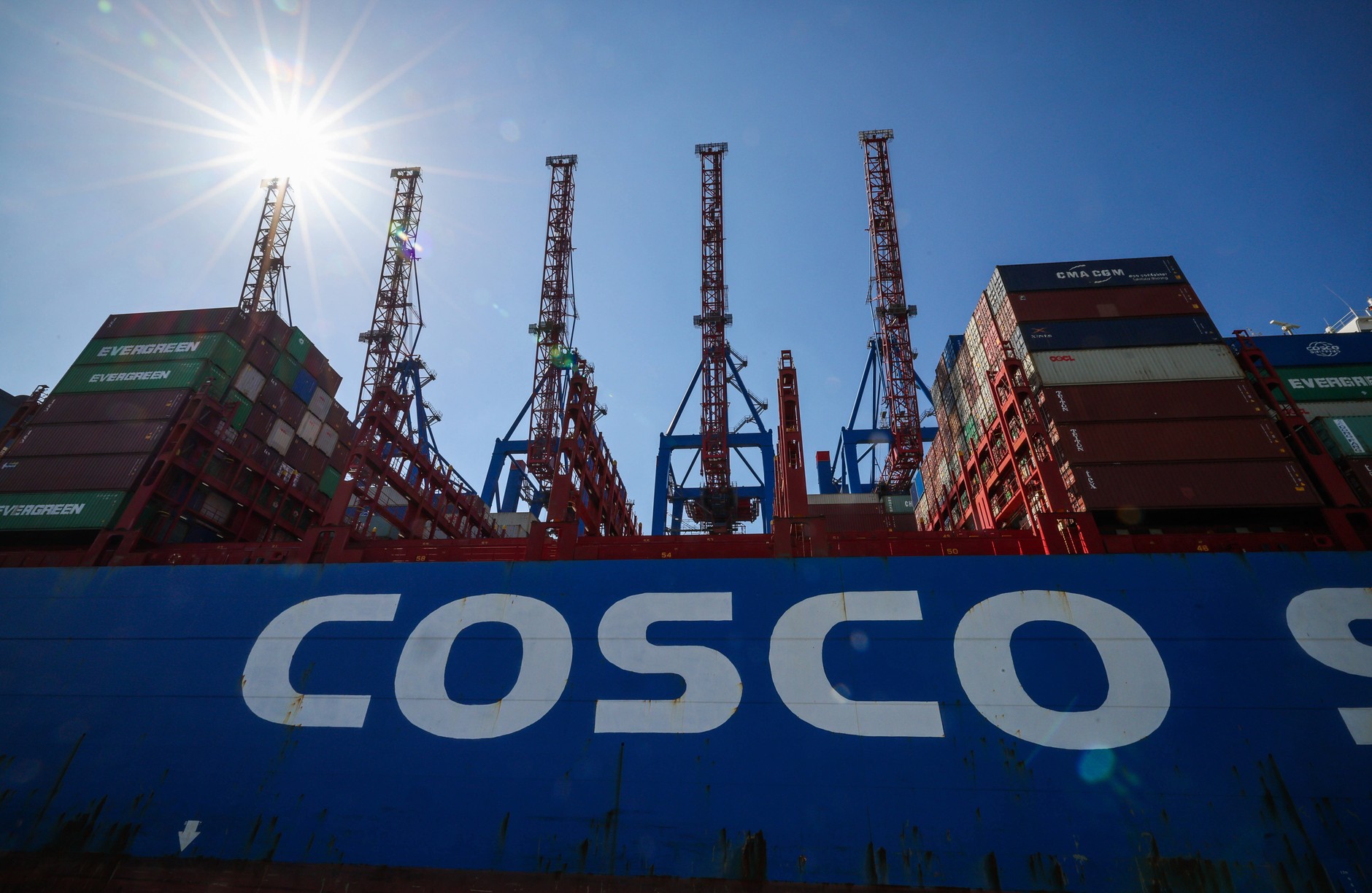
Container ship “CSCL Pacific Ocean” at the Tollerort terminal, which is a strategic partner of COSCO, Germany, April 17, 2023.Christian Charisius/dpa/PAP
COSCO did not respond to a request for comment, but in a statement last month it pledged to provide “stable and reliable service” in the United States. Shipping industry analysts say COSCO and others will inevitably limit shipments to the United States to avoid these fees.
“These fees will inevitably reduce capacity for cargo coming into the United States, and the reduced capacity will increase shipping prices, meaning store shelves could be literally empty come holiday season,” warns John McCown, a research fellow at the Center for Maritime Strategy and an expert on international container shipping.
“We expect to see double-digit declines in container traffic for a full year or more, which will have a direct impact on port workers,” notes McCown. “The truck drivers who transport these loads, the warehouse workers, everyone involved will suffer, and many people will lose their jobs.