PHOTO A new island appeared from the sea. Can it show us how nature works without human intervention?

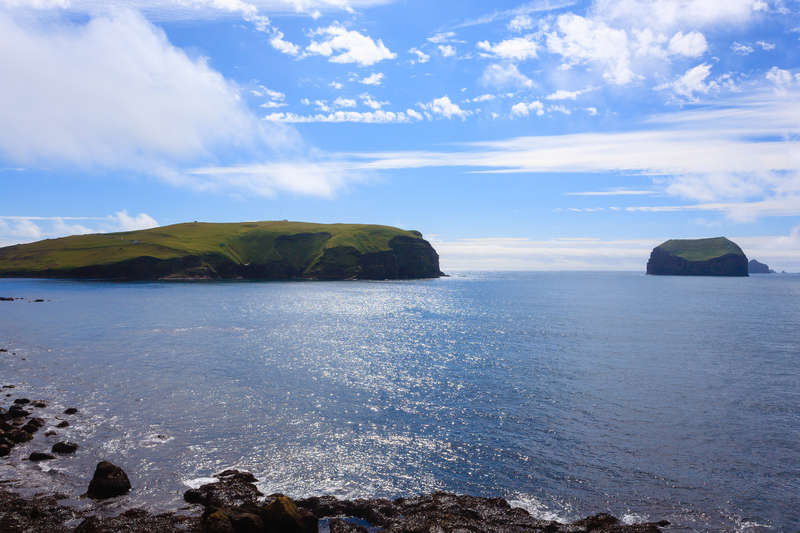
The appearance of this island gave the researchers a precious scientific chance: to observe how life colonizes and spreads far from human interference that has captured much of the earth, according to The Guardian.
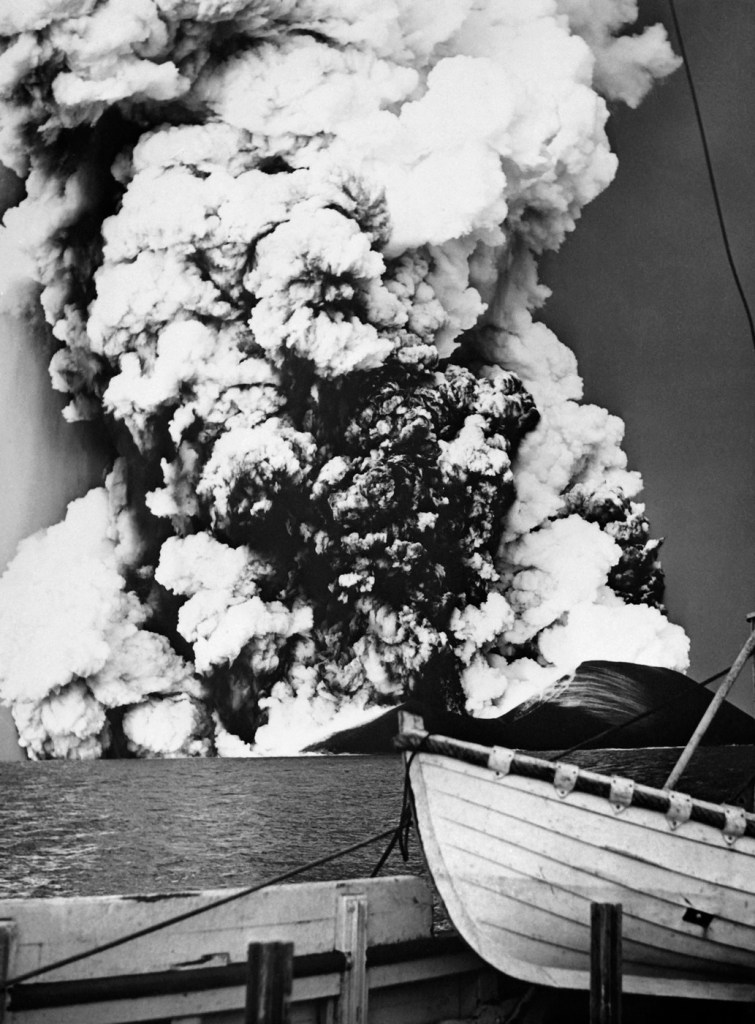
The crew of the fishing ship íleifur had just finished throwing the nets off the southern coast of Iceland when he realized that something was wrong. On the morning of a November 1963 day, a dark mass covered the sky above the Atlantic Ocean. The people on the ship were in a hurry to get in touch with the radio, because they thought another fishing ship was burning at sea, but none of the ships in the area were in danger.
Then the ship began to derive unexpectedly, and the crew thought the ship was drawn into a whirlwind. Finally, through the binoculars, the crew members saw ash columns bursting from the water. They realized what was going on: a volcano erupted in the ocean below.
Until the sunrise, the dark ash filled the sky and formed a ridge just below the surface of the water. The next morning, it was 10 meters high. One day later, he had 40 meters. An island was born, it was called Surtsey, after the giant of fire in the northern mythology, writes The Guardian.
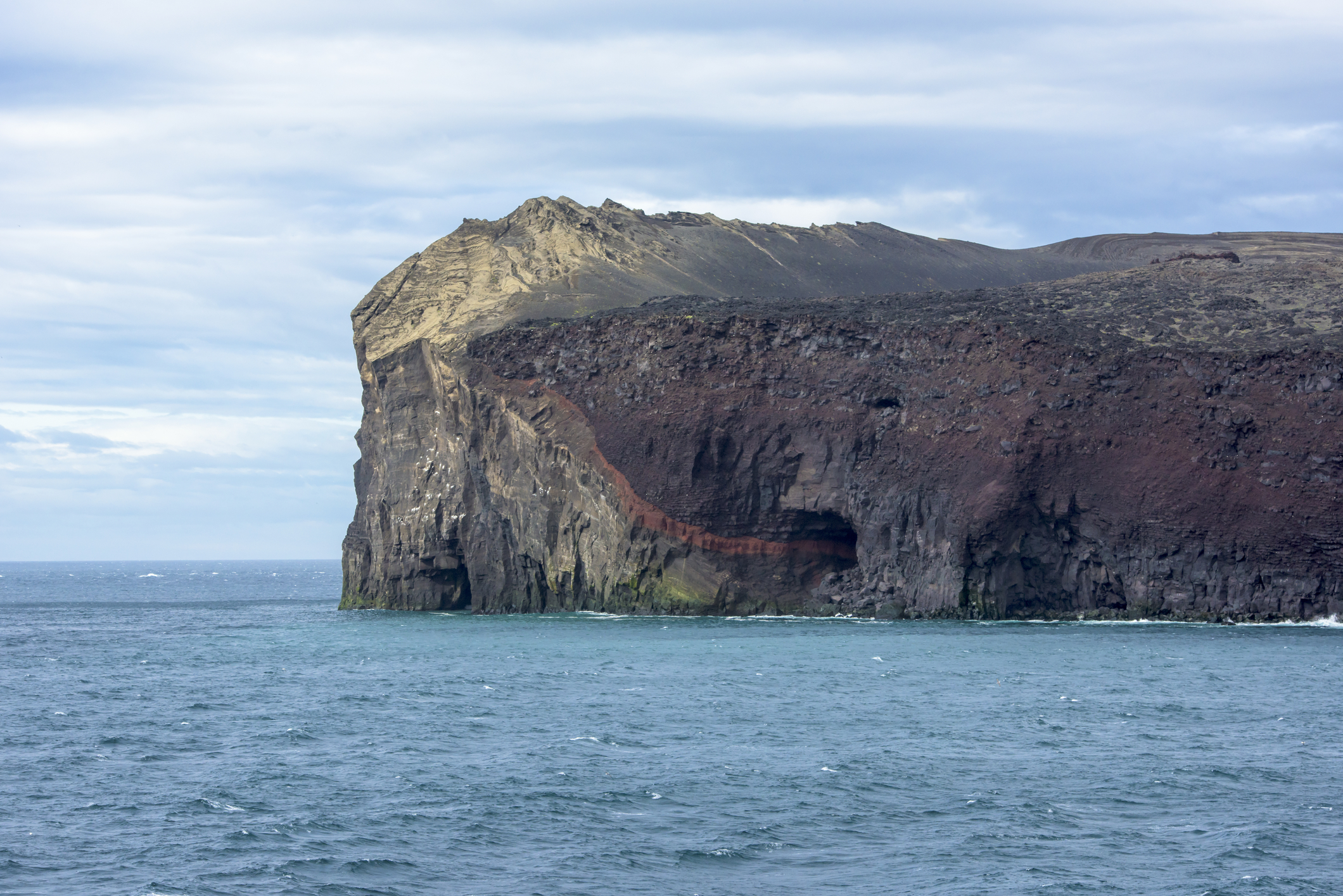
Two months later, the island was over a kilometer long and 174 meters high at the top. The eruption continued until 1967, and scientists say they saw the first plant on Surtsey when the eruption was still underway.
Access to the island is restricted
“It is very rare to have an eruption after which an island is formed and which lasts long. It happens every 3,000-5,000 years in this area,” says Olga Kolbrún Vilmundardótir, geographer at the Institute of Natural Sciences in Iceland. The islands that form are often washed by the ocean, she says.
Other islands have appeared since the 1960s, but scientists say they were not as environmentally stable. The last time something similar happened before the appearance of Surtsey was the birth of Anak Krakataau in Indonesia, in 1927, but it was quickly contaminated by people. Icelandic researchers were categorical that this time will be different.
In 1965, Surtsey was placed under the official protection of the government. Only researchers and journalists – under strict supervision – were allowed to visit it. Animals were not allowed to graze there. In the same year, the first plant was observed: a large rhuolle group brought by waves from the continental Iceland.
“The first scientists who stepped on Surtsey in 1964 could see that the vegetable seeds and debris had been brought to the shore. The birds came to the island right to see what was happening. The rash was still in progress – it was very fast,” says Vilmundardótir.
The explosion of life on the island, triggered by an unexpected factor
The researchers expected the algae and muscles to be the first colonizers, forming a ground base that would eventually support vascular plants. But this stage was completely omitted. In the coming years, several plants were brought to the shore, and some were clinging to the empty volcanic rock of the island. But after a decade, the changes seemed to have stopped.
“People were wondering: What follows now? At that time, about 10 species had colonized Surtsey. The plant coverage was very rare. But then the birds arrived,” says Pawel Wasowicz, director of the Botanical Department of the Institute of Natural Sciences.
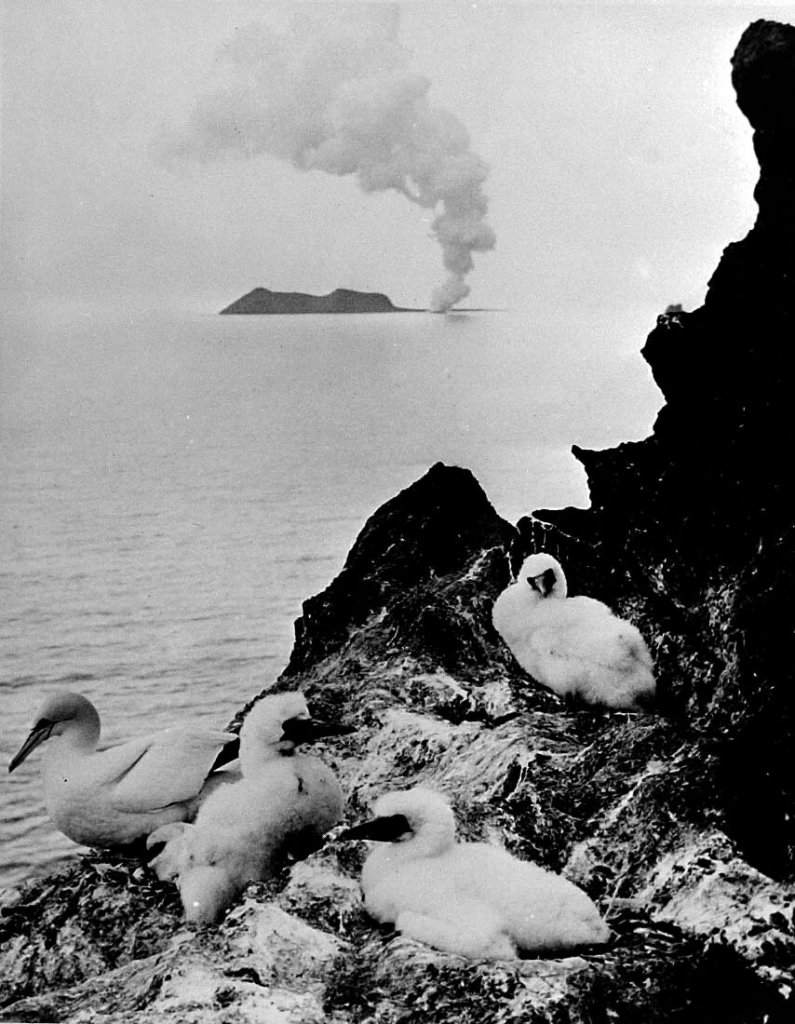
In the early 1980s, black back seagulls began to make nests on certain portions of the island, sheltering in one of the most stormy areas of the Atlantic Ocean. Their arrival triggered an explosion of life. The fishermen transported seeds that quickly spread grass on the island. For the first time, entire areas of empty rock became green.
“It is surprising. Since Darwin's time, biologists believed that only fleshy fruit plant species could travel with birds. But Surtsey species have no fleshy fruits. Almost all the seeds on Surtsey were brought to the fishermen,” says Wasowicz.
A precious lesson
A lesson learned from this living laboratory is that recovery after disturbance does not follow a single predictable way, says the researcher. Instead, it is modeled by multiple, sometimes surprising forces.
Today, gray seals are the last arrival that cause changes in the biodiversity of the island. Volcanic rocks have become a crucial place of “rest” where the seals come to the shore to rest and clash, as well as a reproductive place where they can grow their chicks, away from the orcs that are nearby. Their excrement bring nitrogen to the island, contributing to the spread of life on the island.
Iceland really contributes to something important for humanity by preserving the island, Wasowicz is.
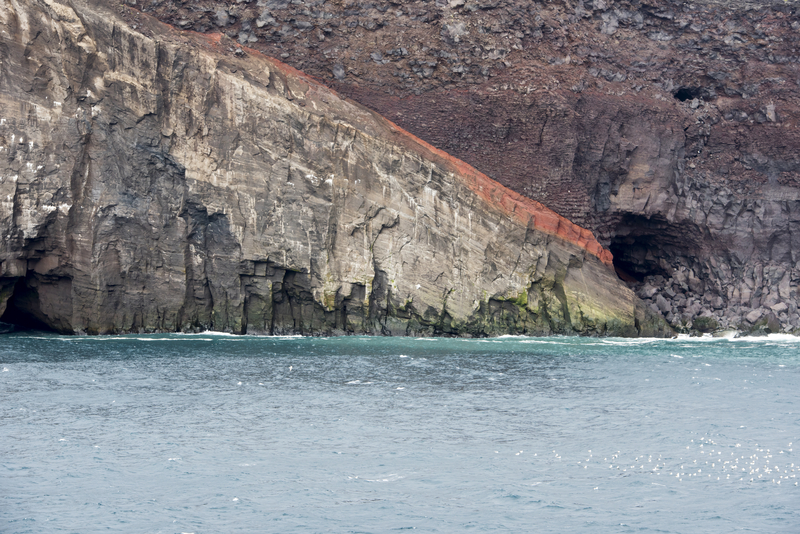
The researchers warn, however, that by the end of the century, the biodiversity of the island will probably reach a maximum level, then decreases over time, eventually leaving only a rock with steep gaps in the Atlantic. But the lessons will remain.
Surtsey Island shows that resilience and renewal are possible in the hardest average, says Wasowicz. It offers hope and practical lessons for the rehabilitation of damaged ecosystems, pollution or operation: if it is given space, nature will always find ways to revive, often faster and more creative than we expect.