Putin announces the successful test of a “secret weapon” and threatens the West: “Our nuclear discouragement systems are more sophisticated than those of any other nuclear state”

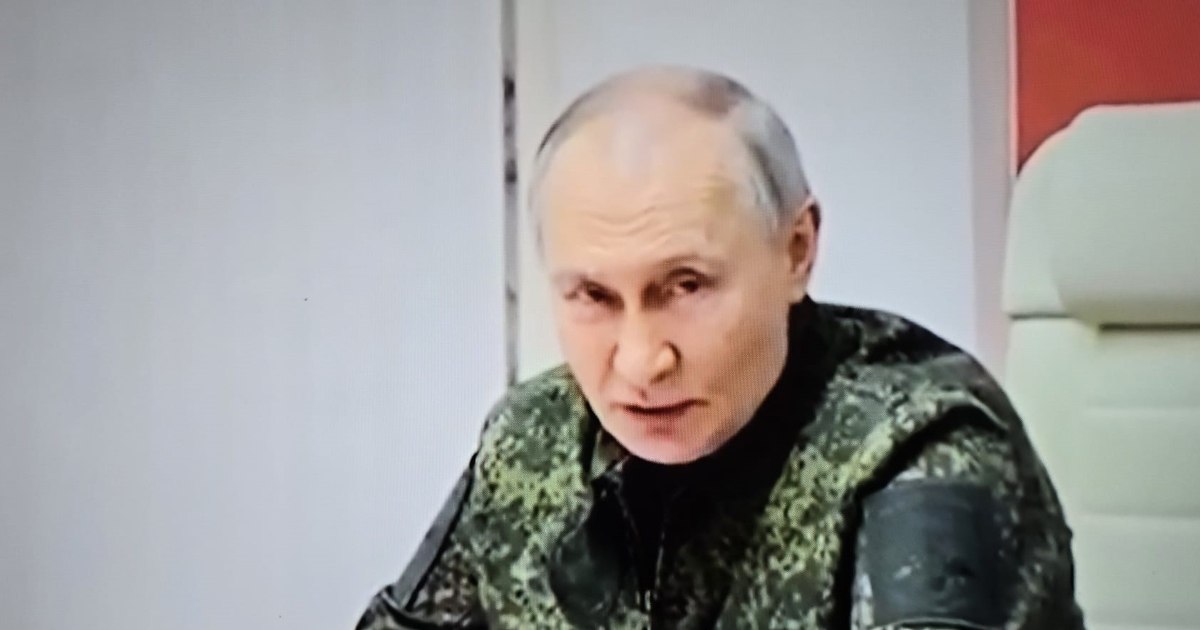
Vladimir Putin has announced that Russia is preparing to disclose a new “very advanced” weapon, which he says has successfully passed the final tests.
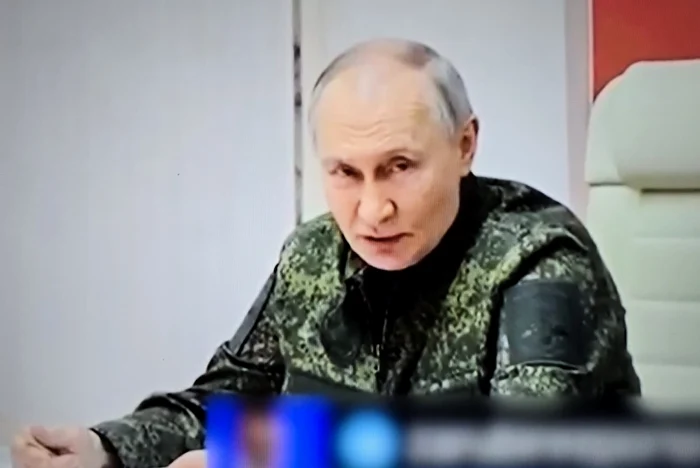
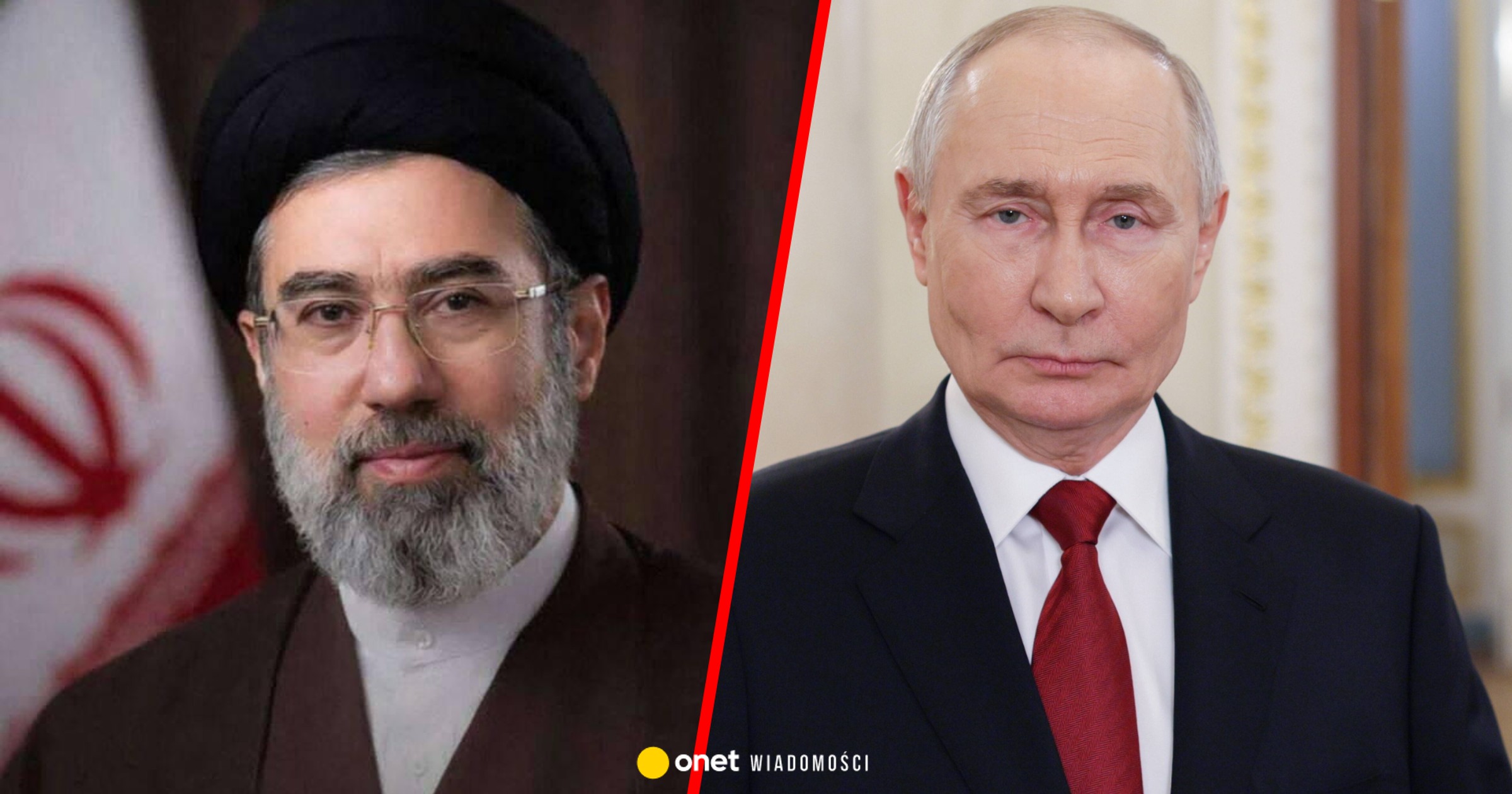
Vladimir Putin threatens with an extremely effective new weapon. Photo: video capture
At a press conference held on Thursday, October 9, Vladimir Putin stressed that the nuclear arsenal of Moscow is “at an unprecedented level”, warning the West that “Our nuclear discouragement systems are more sophisticated than those of any other nuclear state.”
Russia's president Vladimir Putin said that his country has successfully tested a new “extremely advanced” weapon, to be officially announced in the near future. His statement, made during a press conference after the Tadjikistan visit, taken by Newsweek, was perceived as a new message of force addressed to the West.
“I think that in the near future we will have the opportunity to report about the new weapon we have announced once. It seems that our tests passes. Everything goes well.” said Vladimir Putin.
Arsenal of Russia, at an unprecedented level
The Kremlin leader insisted that Russia continues to invest massively in the modernization of its strategic arsenal and that they are in front of all other nuclear states in terms of technological innovation.
“Our nuclear discouragement systems are more sophisticated than those of any other nuclear state. And we develop all this very active. What we have said in the past, in the past years, we are developing, we remember,” said Vladimir Putin on Thursday.
The Russian president added that the level of modernization of Russian intercontinental weapons (at sea, land and air) is “at a very high level”, stressing that Moscow intends to maintain its main nuclear power status.
According to the information broadcast by the Russian press, the weapons in the test phase include a racked rocket “Flying Chernobyl”, considered one of the most controversial components of the Russian military program.
This is part of the category of the so-called “Super Rules” presented by Putin in 2018, which include:
* Burevestnik – nuclear propulsion rocket, capable of flying for months;
* Avangarde, Zirkon
and Kinji – hypersonic missiles with speeds over Mach 10;
* Poseidon,
known as the “torpedo of the apocalypse”;
* Satan (Sarmat) – the strongest intercontinental ballistic missile in the Russian arsenal.
The project “Burevestnik”, tested in the past in Arctic, would have been resumed in recent months, according to Western military analysts, although it remains controversial due to high radioactive risks.
Vladimir Putin's statements come at a tense moment, against the background of amplifying the competition between the great powers in the field of strategic armament. Russia, the United States and China accelerate the development of hypersonic weapons and nine-generation nuclear systems, while international armament control treaties, such as New Start, are at a dead end.
Analysts warn that a new “nuclear armor race” seems more and more likely, especially after Russia has suspended participation in several military transparency agreements and began testing unprecedented weapons.
“Putin's statements seem designed to show the world that Russia remains a military superpower, capable of competing and intimidate,” commented on military analyst Michael Kofman. “But they also reflect a reality: the Kremlin wants to use these ads to force the West for negotiations,” he added.
Moscow contradictory messages on the US negotiations
At the same time, the Kremlin sends confusing messages about the relationship with the United States and the conflict in Ukraine.
Iuri Usakov, Putin's foreign policy counselor, said that “The diplomatic efforts between Russia and the US to end the war in Ukraine,” seeming to contradict the recent statements of Deputy Foreign Minister Sergei Riabkov, who had announced the day before “The dialogue is practically frozen ”.
This contradiction feeds speculation on internal struggles in Moscow power circles, especially between diplomats and military leadership, on how Russia should manage tensions with the West.