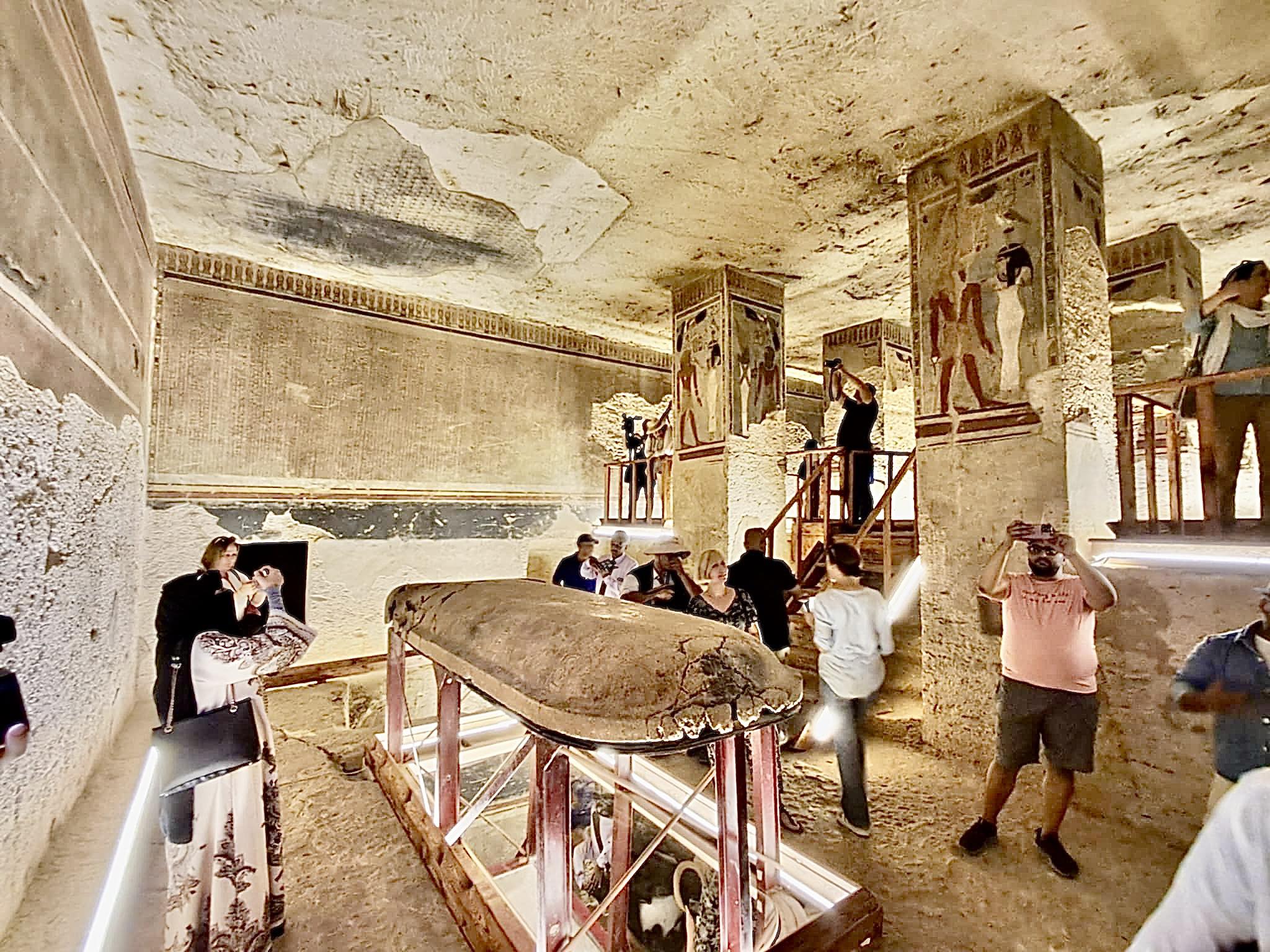
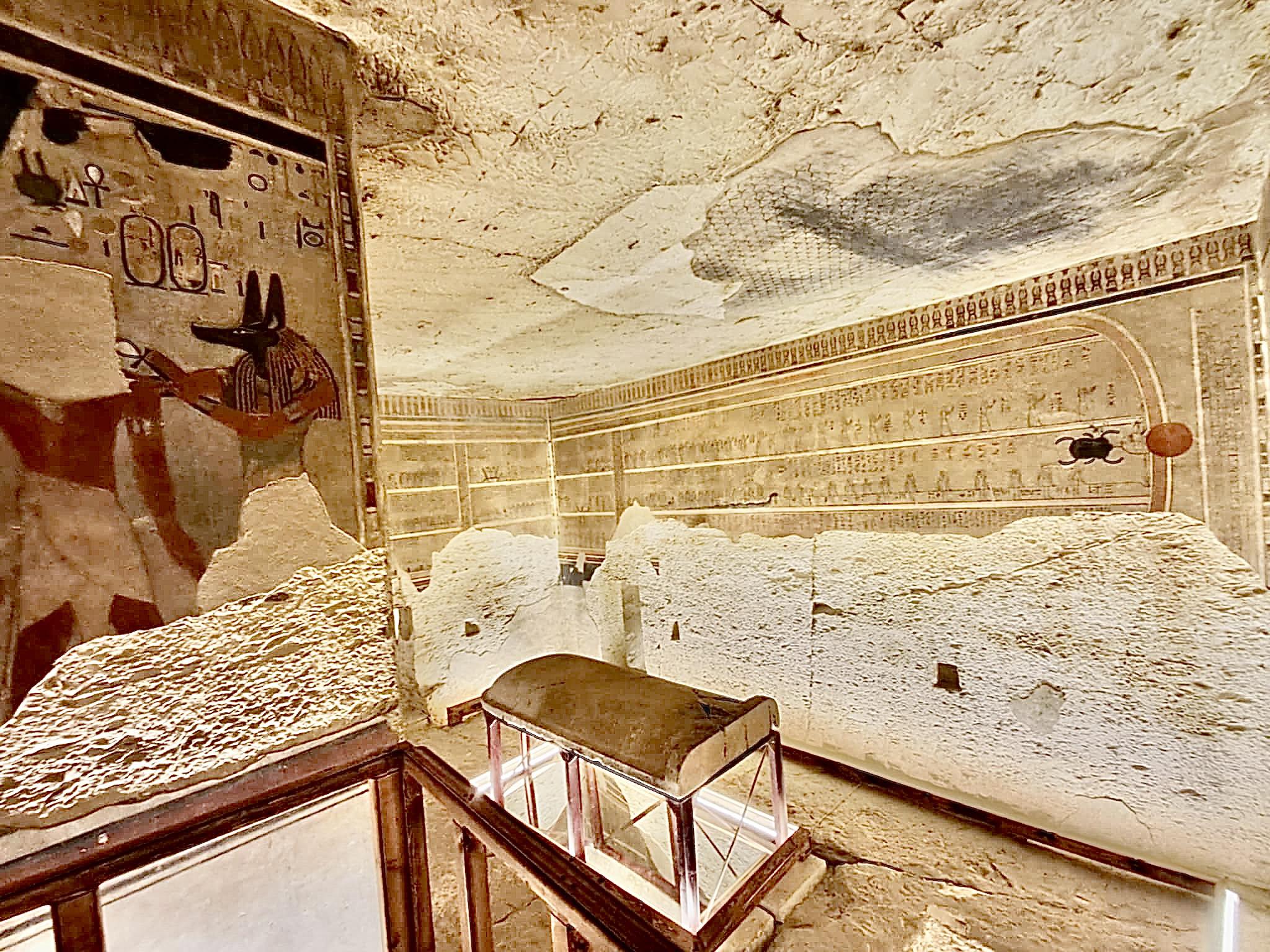
The tomb is located on the western side of the Valley of the Kings and was discovered in 1799, but its contents, including the sarcophagus, were looted.
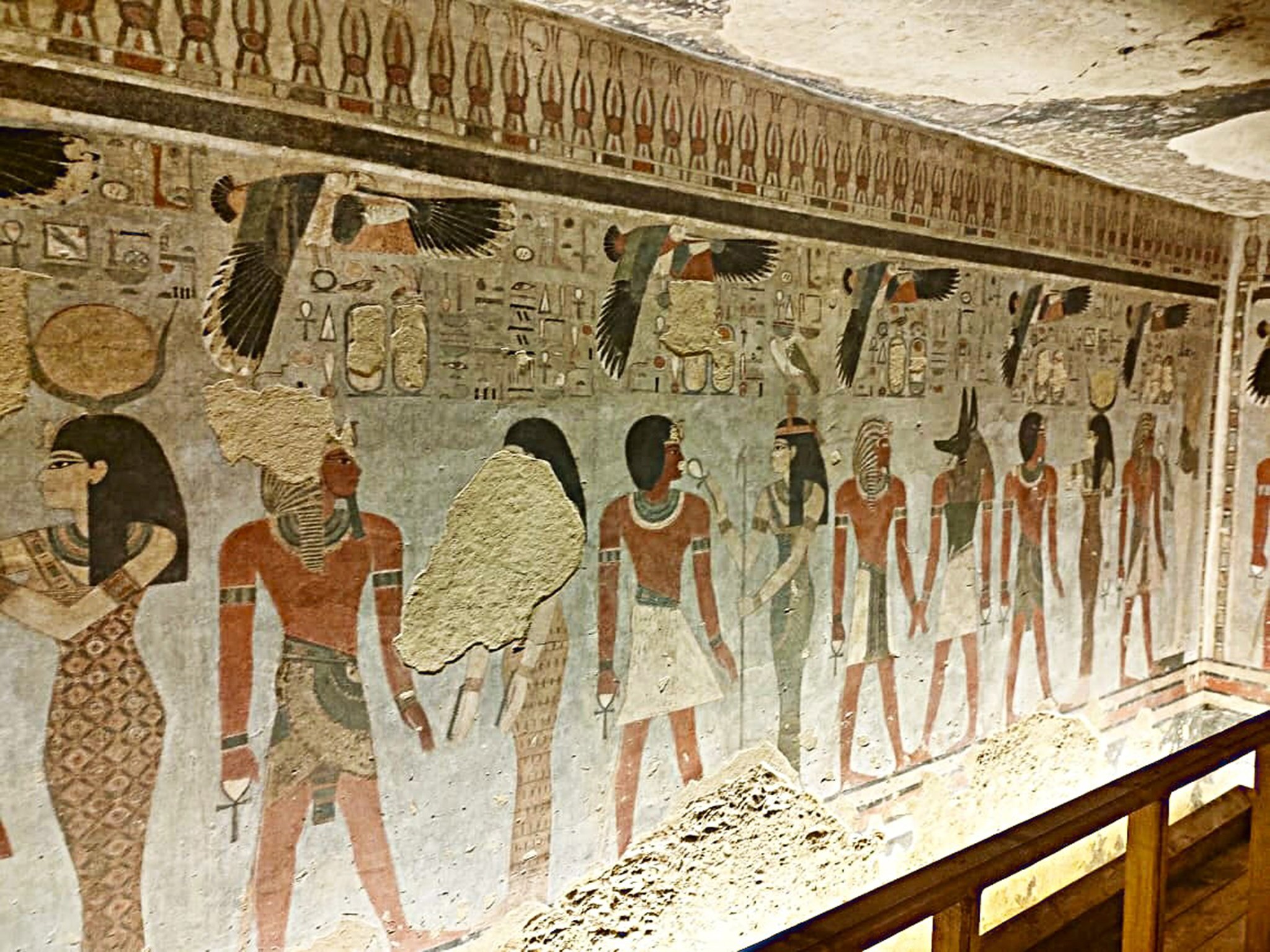
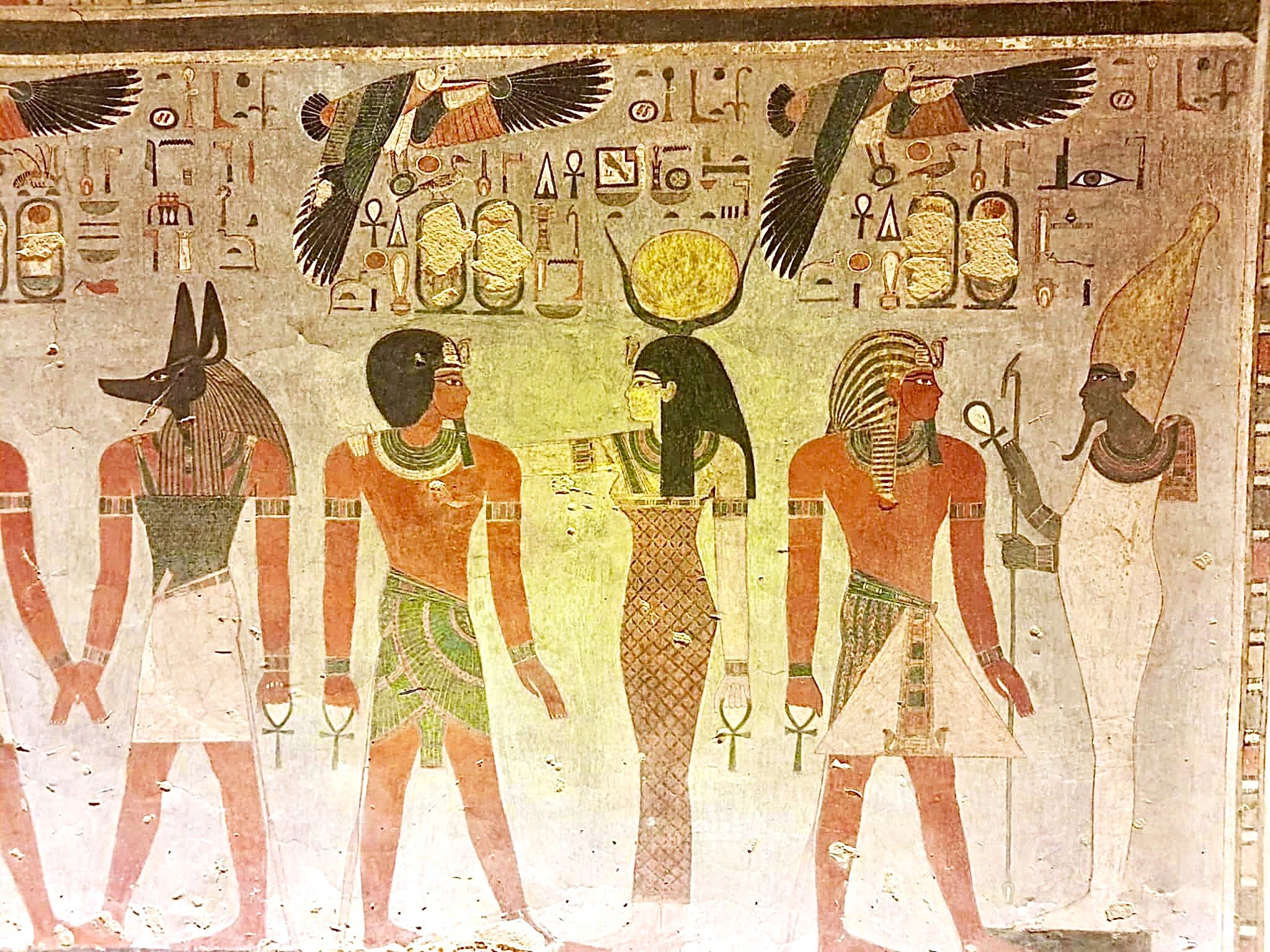
Under a Japanese-led restoration project, images of Amenhotep III and his wife were restored on the walls of the tomb.
The tomb includes the main burial chamber of the pharaoh and two others – his wives, queens Tiye and Sitamon.
Its frescoes depict Amenhotep III with a group of ancient Egyptian gods, and the burial chamber contains inscriptions with scenes from the Book of the Dead.
According to the National Museum of Egyptian Civilization, Amenhotep III's mummy was transferred by ancient priests to the tomb of his grandfather Amenhotep II in the Valley of the Kings.
Known as Amenhotep the Great, he ascended the throne as a teenager and reigned until age 38 in the 14th century BC.
The opening of the tomb was part of preparations for the opening of the Grand Egyptian Museum next to the pyramids in Giza, which is scheduled for November 1.
Egypt hopes the moves will help revive the country's tourism industry.