October 6 16:54
Rusal invented the technology of obtaining aluminum from scrap by electrolysis. This allows you to process dirty scrap with impurities into a high -quality metal with a recordly low carbon footprint.
Rusal patented the technology of electrochemical processing by electrolysis of low -quality scrap into high -clean metal, equivalent to the primary aluminum of the P1020 brand (A7 according to the Russian classification, purity above 99.7%).
“An important problem of the aluminum industry is the processing of polluted scrap. The traditional processing of scraps with a high content of impurities, for example, iron and copper, even after applying existing cleaning methods, leads to DownCycling – obtaining low -grade alloys with a limited area of application. The innovative technology of Rusal solves this problem, providing a full -fledged closed metal cycle without losing its quality and the ability to use processed metal in high -tech industries, such as automotive, aerospace industries, food packaging, ”said the technical director of Rusala Victor Mann.
The new electrolyzer with a unique design provides electrochemical purification of scraps at low costs and high energy efficiency. The technology turns low -quality scrap (which is quoted below the price of LME) into an aluminum of the P1020 brand (quoting at the price of LME plus a regional bonus).
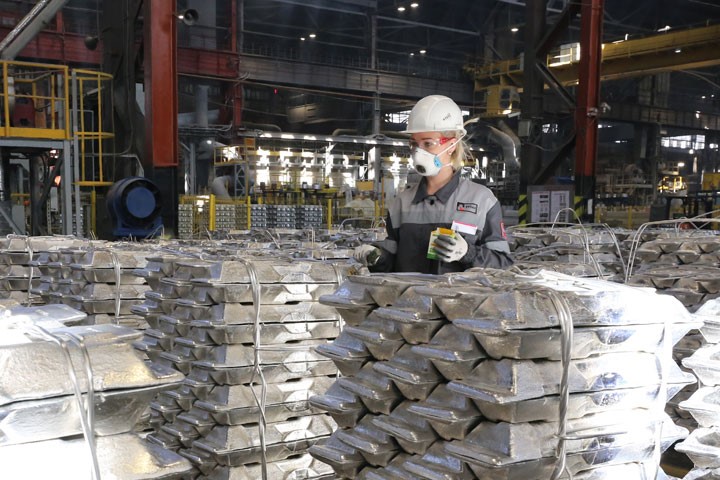
The technology was successfully demonstrated on the prototypes of electrolyzers by current power 500 A and 3 KA. The tests confirmed: the high purity of the product and the stable receipt of aluminum with purity over 99.7%; Operational stability-prototypes reached stable working cycles lasting 40-45 days; High energy efficiency – approximately 9 MWh energy is consumed for one ton of aluminum from scrap. For comparison: the most effective traditional electrolyzers are spent on the smelting of one ton of metal from clay of 12-14 MWh energy.
The technology is also designed for the processing of old household scrap, which has a zero carbon trace. In combination with “green” energy sources (Rusal uses the energy of hydroelectric power plants), the technology allows you to obtain P1020 metal metal with a carbon footage less than 1 ton of greenhouse gases in full coverage. The average carbon trace of the world aluminum industry in full coverage is an order of magnitude higher-14.8 tons of CO2 per ton of metal, the company's press service reports.