As Bloomberg's agency reminds This is not the first attempt to master public finances by the current government. In previous years, two multi -billion consolidation packages have already been introduced. Their effects, however, were quickly leveled by an increase in costs related to pensions, wage increases in the public sector and energy subsidies. As a result The deficit still oscillates around 5 percent. GDP – a level significantly exceeding the EU limit of 3 percent.
Read also: “One of the greatest success stories”. Trump's collaborator called Poland
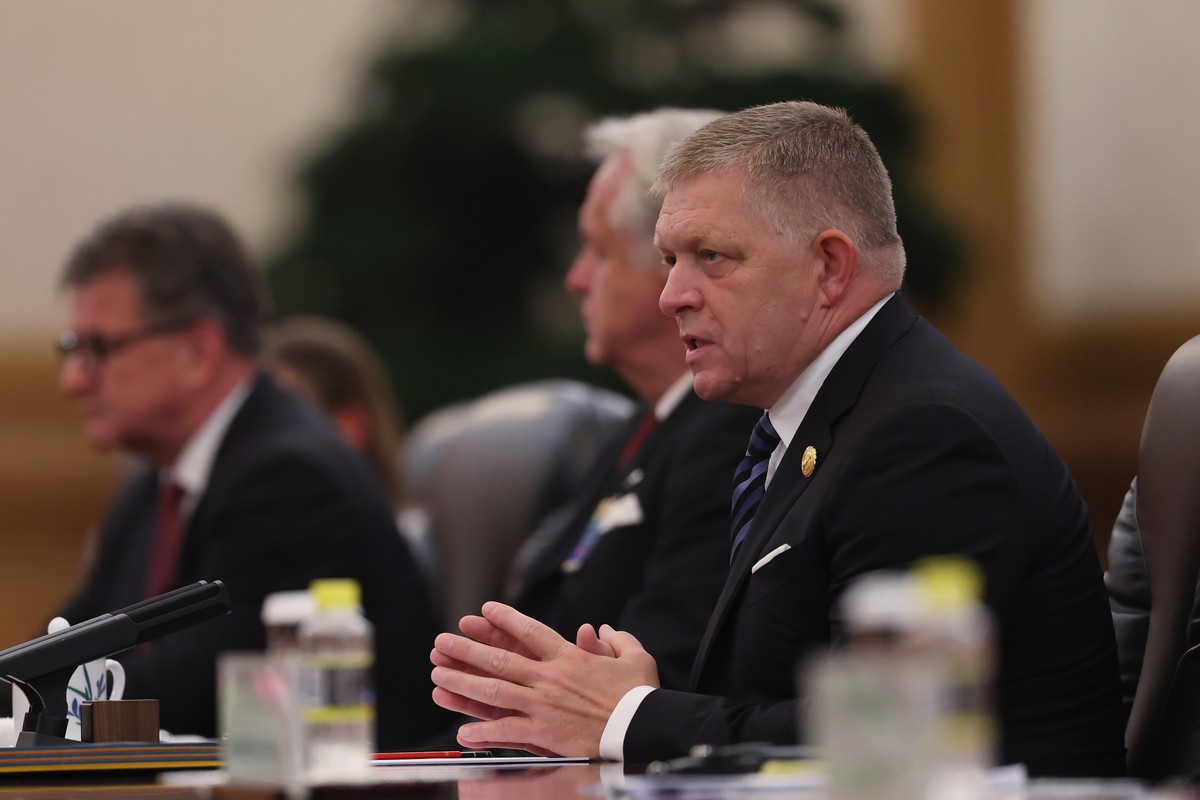
Slovakia is preparing a reform of public finances. Here are the details
The adopted solution included Higher income taxes for people earning above the national average, changes in VAT rates for selected food products, as well as additional burdens for the gambling industry. Clearly Health and social insurance contributions will also increase. In turn, planned Savings on the expenditure side are to reach EUR 1.3 billionalthough the government announced that the detailed plan of cuts will not be presented only in October.
The new regulations are a reaction to the country's increasingly difficult economic situation. Slovakia, strongly dependent on exports – especially from the automotive sector – feels the effects of global slowdown and trade tensions between Europe and the United States. Lower trade dynamics means lower tax revenues, which in combination with growing social expenditure has led to a persistent budget hole.
Read also: Karol Nawrocki in New York. He gave Donald Trump one thing
Minister of Finance Ladislav Kamenický argues that this time the situation is to change. According to government estimates, Thanks to the new package, the deficit will be reduced to about 4.2 percent. GDP next year. – This is an important step towards stabilizing state finances – he emphasized during the presentation of the Act.
Despite these assurances, many economists remain skeptical. They point out that subsequent tax increases and increasing burden on entrepreneurs can further weaken the and so slowing the economy. On the other hand, the lack of repair activities would threaten further deepening of debt and tensions in relations with EU institutions.
The dilemma that Slovakia faces is not isolated – other countries of the region, struggling with the effects of global slowdown and the costs of social programs, also found in a similar situation. In Bratislava, however, they hope that the new package will at least partially rebuild the trust of financial markets and create space for a more sustainable economic policy in the coming years.