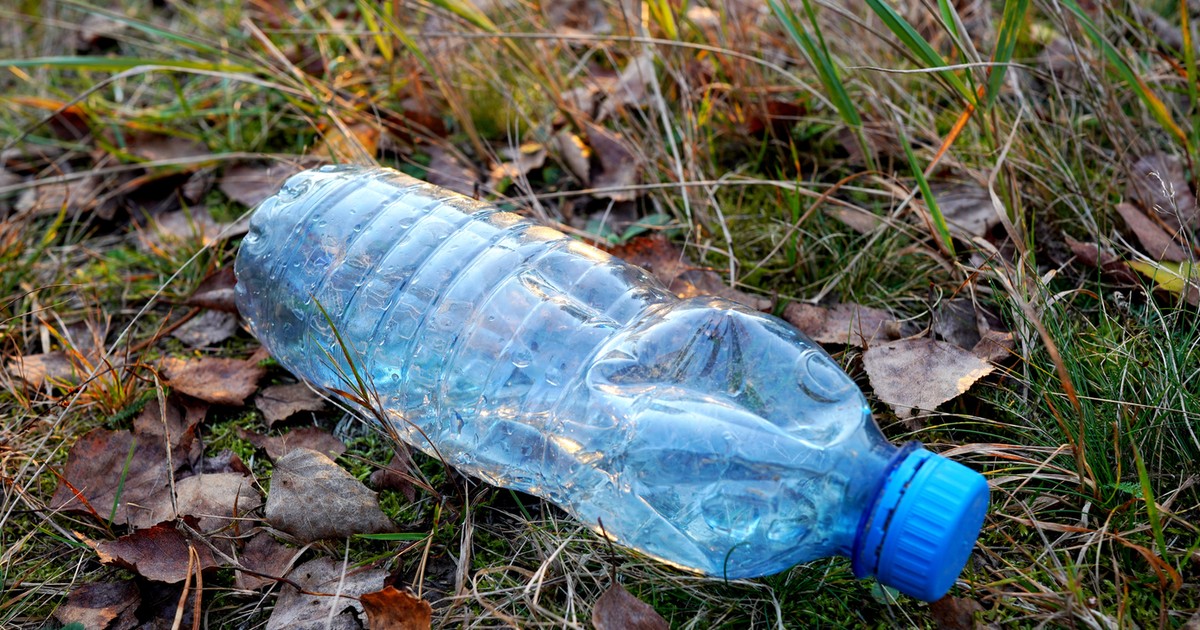
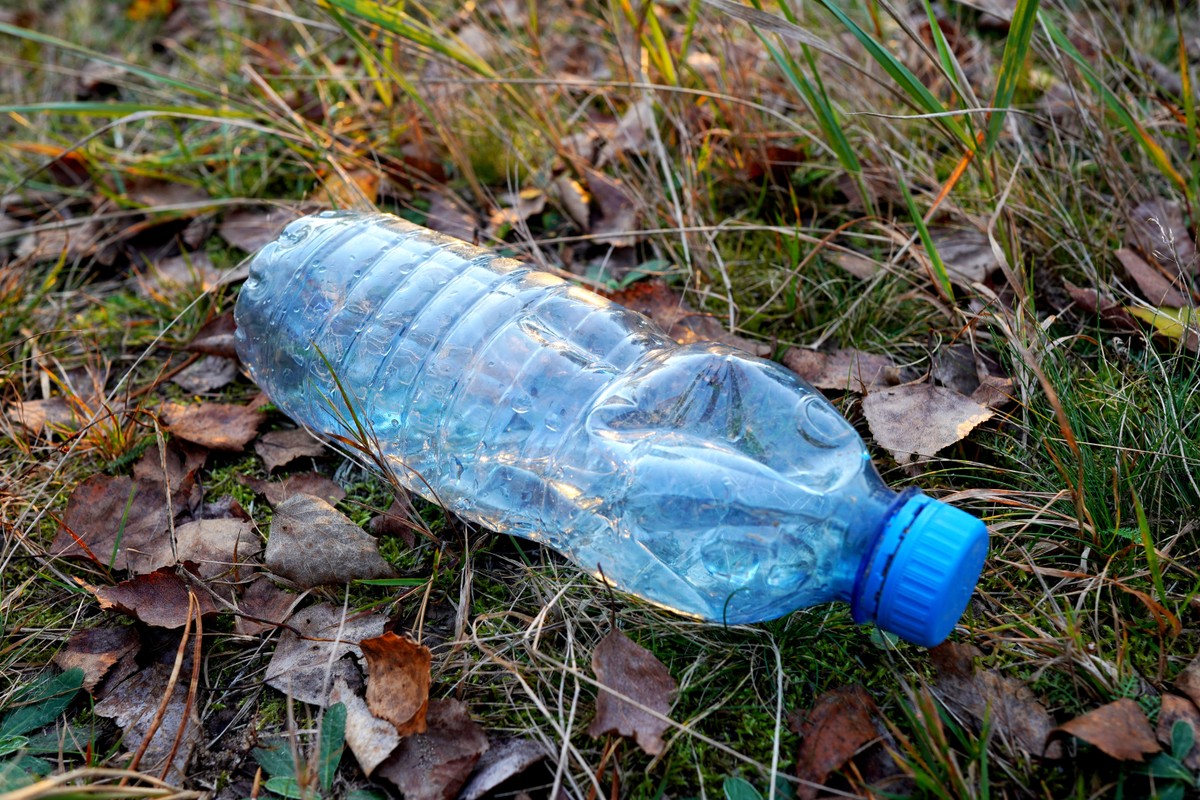
On Wednesday, September 17, the CLYNTEarth Lawyers Foundation filed a lawsuit against Nestle Polska SA to the District Court in Warsaw. He accuses the concern in misleading marketing practices. In her opinion, the slogans that the plastic bottles are fully recycled and come from recycling, create a false impression of closed plastic circulation, and thus that they are harmless to the environment. Meanwhile, according to estimates, in Poland only about 40 percent bottles go to recycling.
The case concerns the water of Nałęczowianka – a Polish brand, which is the property of Nestle, an international concern based in Switzerland.
Read also: This country surprises zero inflation. Poland in the middle of the EU rate
Under the magnifying glass passwords on recycling
The Foundation argues that on plastic bottles and welds Nałęczowianki can be found slogans such as: “I am 100 percent of recycled PET plastic* (* does not apply to the cap and the label)”, “I am made of another bottle” or “I am recycling.”
According to Clientearth, this type of passwords create the impression that a disposable plastic is not a threat to the environment. Meanwhile, as he emphasizes, “plastic is one of the greatest threats to people and nature.” Its production is growing rapidly – by 2060 it can be three times higher than in 2016.
– According to UNEP (United Nations Environmental Program), 460 million tons of plastic are created in the world every year, of which about two -thirds are one -off products. Most of them quickly become waste, “explains Clientearth.
Read also: Business in the east: How to support entrepreneurs in difficult times
According to the Recycling Foundation, although extremely needed, it covers only a small part of used materials. In Poland, according to the Institute of Environmental Protection, only 40.7 percent Properly thrown plastic waste was recycled. The rest lands in incineration plants, dumps or litter forests, rivers and oceans, which in turn threatens the life of animals and human health.
Plastic cannot be processed forever
Clientearth emphasizes that in the case of Nałęczów, slogans that the bottles are fully recycled and come from recycling, create a false impression of closed plastic circulation, and thus that they are harmless to the environment.
– Sorting waste and recycling are important elements of the fight against the plastic crisis, but we can not pretend that this is enough. Plastic is not a material that can be processed indefinitely, which quickly goes to dumps or to burning, and overproduction of one -time packaging is overwhelming recycling systems around the world – argues Kamila Drzewicka, a senior lawyer at the Clientearth foundation.
He emphasizes that the real solution is to limit the production and use of plastic and urgent implementation of solutions based on reusable.
Such solutions include the Caucascular System, which will also be effective in Poland from October 2025. – The deposit system is valuable and useful because it supports the efficiency of plastics recovery for re -processing. However, the production of new plastic cannot grow indefinitely. Therefore, it is necessary to limit advertising, which in a misleading manner promote excessive plastic consumption, consolidating irresponsible business practices, “accentuates Drzewicka.
Clientearth is demanding that the closed circuit economy be resigned
In the lawsuit, the CLientearth Foundation demands that Nestle Polska stops using passwords and markings suggesting that disposable plastic bottles are part of the closed circulation economy. The foundation is of the opinion that “such practices are greenwashing”. The Foundation informs that before submitting the claim, it conducted negotiations with Nestle, which, however, did not end with an agreement, and therefore decided to submit a claim.
Kamila Drzewicka explains that the goal is to limit the overproduction of plastic and increase corporate responsibility. – If large concerns distort reality with marketing treatments, our task is to straighten it. Such actions not only mislead, but are also unlawful – he argues.
Drzewicka argues that in the assessment of consumer law, it is how the message understood the message. On this basis, he explains, the Clientearth Foundation decided to bring the case to court.
According to the foundation, the so -called Green markings can mislead consumers, prove IPSOS research from November 2024. They show that 76 percent respondents consider plastic packaging harmful to the environment. However, if these packaging contains “green” markings of up to 65 percent. consumers perceive them as environmentally friendly. 72 percent respondents admit that they are more likely to buy goods with green markings.
Clientearth reports that it consistently works for the elimination of greenwashing, which he defines as marketing strategies involving the presentation of products as ecological in a misleading way. The Foundation informs that in 2023 the lawyers of the organization supported the complaint to the European Commission against Coca-Cola, Nestle and Danone for misleading plastic recycling declarations. He also adds that in turn in 2024 it led to the withdrawal by one of the leading producers of “eco -pea coal” of markings suggesting the ecologicality of coal.
In the case against Nestle Polska SA, the CLYNTEarth Foundation is supported by the ROE Radwan-Roehrenschef Petruczenko office.
We asked Nestle Polska to comment on the case. As we get the answer, we will inform you about it.