[P] The Tiktok generation at the interview: Jooible reveals how new generations change the rules of employment

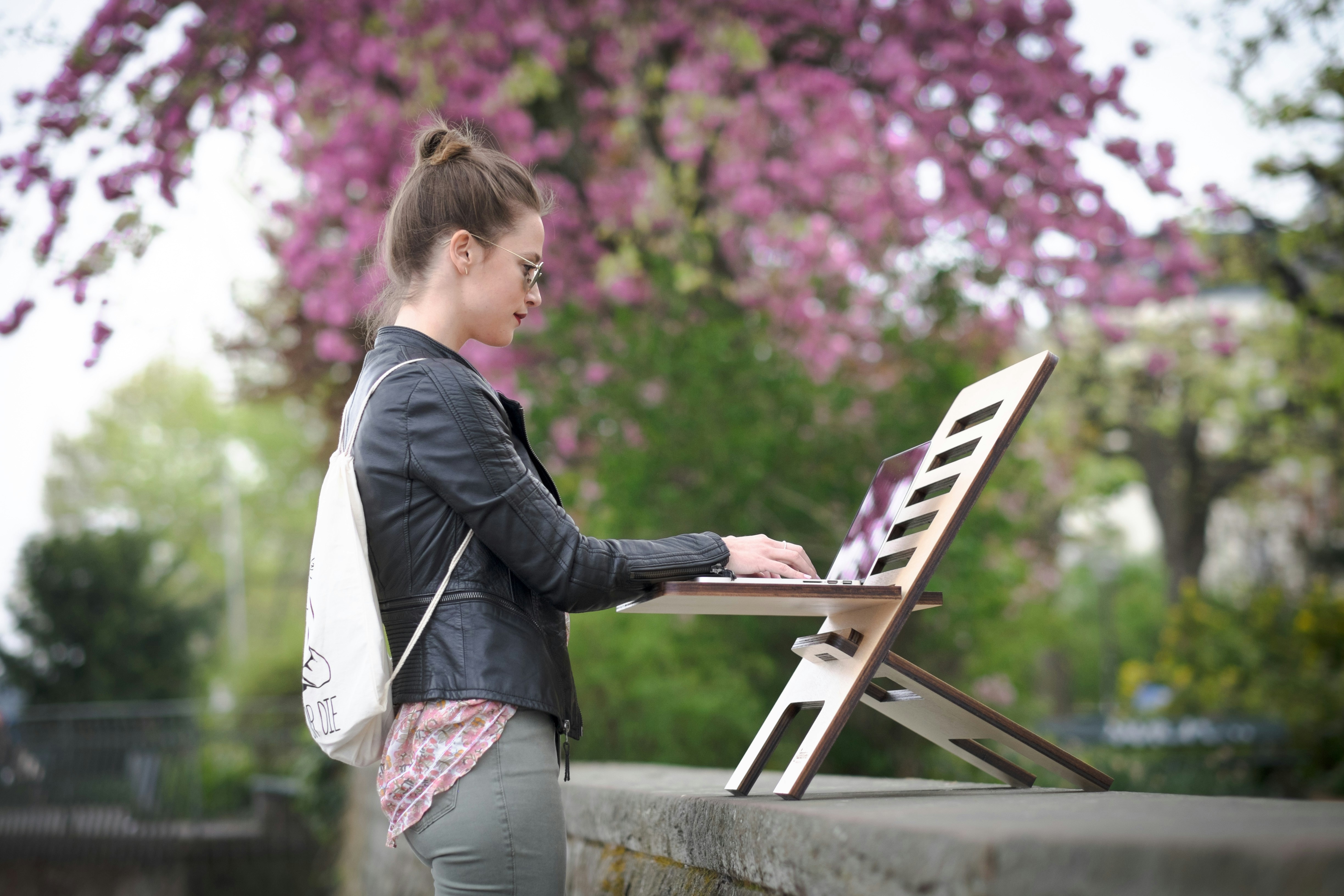
The Tiktok generation at the interview: Jooible reveals how the new generations change the rules of employment Photo source – ro.jooble.org
Find out how the Tiktok generation is presented at interviews and why the game rules completely change when it comes to looking for a job.
When it comes to interviews, the rules of the game no longer look like ten or even five years ago. If beforehand was placed on the suit, a beautiful printed CV and a sober air, now things are more colorful, more direct and sometimes even more unpredictable. The new generations, especially those raised with Tiktok, treat the interview differently. And this is already seen in the way he is looking for jobs in Romania and in the attitude with which he enters a discussion with an employer.
A simple example: someone from the older generation was preparing long answers, almost like essays, to the standard questions of the type “Where do you see yourself over 5 years?”, “What are your strengths?”. The Tiktok generation has no patience for boring stories. They come with short, direct, sometimes even funny replies. Not because they would not have what they say, but because they grew in a world where the attention is earned in the first seconds. If a clip on Tiktok does not catch you in 5 seconds, you scroll. They apply the same rule to the interview: if the question is vague or pompous, the answer will be short to the object.
Then it's the visual side. In the past, it was inconceivable to appear at the interview without a shirt and elegant shoes. Now, many casual dressed wine, maybe with a jacket or outfit that seems directly removed from a vlog. And, surprise, some employers not only accept this, but they really appreciate it. Why? Because authenticity matters more than a rigid image.
Of course, there is the part that can put them in difficulty. The Tiktok generation is used to communicating quickly, through short messages, instant reactions and internal jokes. When they reach an interview where someone insists on formalities, you immediately see a style difference. It's like putting a marathon to play chess; He knows the rules, but he has no patience. And that does not mean that they are not good professionals, but that their way of relating to work and the recruitment process is another.
Another interesting aspect is their relationship with technology. For them, there is no difference between “online” and “offline”. If I can't find information about an internet company or there is no minimum of digital presence, they become skeptical. Previously, people were going to interview and finding out everything. Now, if I can't find a trace of brand on social media or on Google, the Tiktok generation raises the eyebrow and moves on.
And there's something funny: the questions. While past generations ended two or three formal questions like “What does an ordinary day look like in this job?”, The new generations can ask directly: “How many free days do you have?” Or “can you work remote, yes or no?”. It sounds steep, but they prefer to know from the beginning, instead of losing the weather.
The part with the motivation is to be discussed. If before a stable 10 -year -old job was the dream of anyone, the Tiktok generation is looking for diversity and flexibility. For them, loyalty is not measured in years spent at the same company, but in the experiences accumulated. Some stay a year in a company and then leave without regrets if they feel they have nothing to learn. Employers who understand this dynamics manage to attract them. Those who do not, remain with the impression that “young people do not want to work.”
But that's not the case. They really want to work, except that they have other expectations. They want a balance between personal and professional life, they want to be listened to and feel that their work matters. They may seem pretentious at first sight, but in reality I put on the table things that past generations have accepted without commenting.
In short, the Tiktok generation changes the rules of the game, whether employers are prepared or not. Those who accept change win a team full of ideas, creativity and energy. Those who remain anchored in old patterns risk losing valuable people.
The interviews will never be like once. They may be their direct and unfiltered style sometimes disturbs, but the truth is that it also brings a fresh breath. And if you are thinking well, this may be exactly what it was missing.