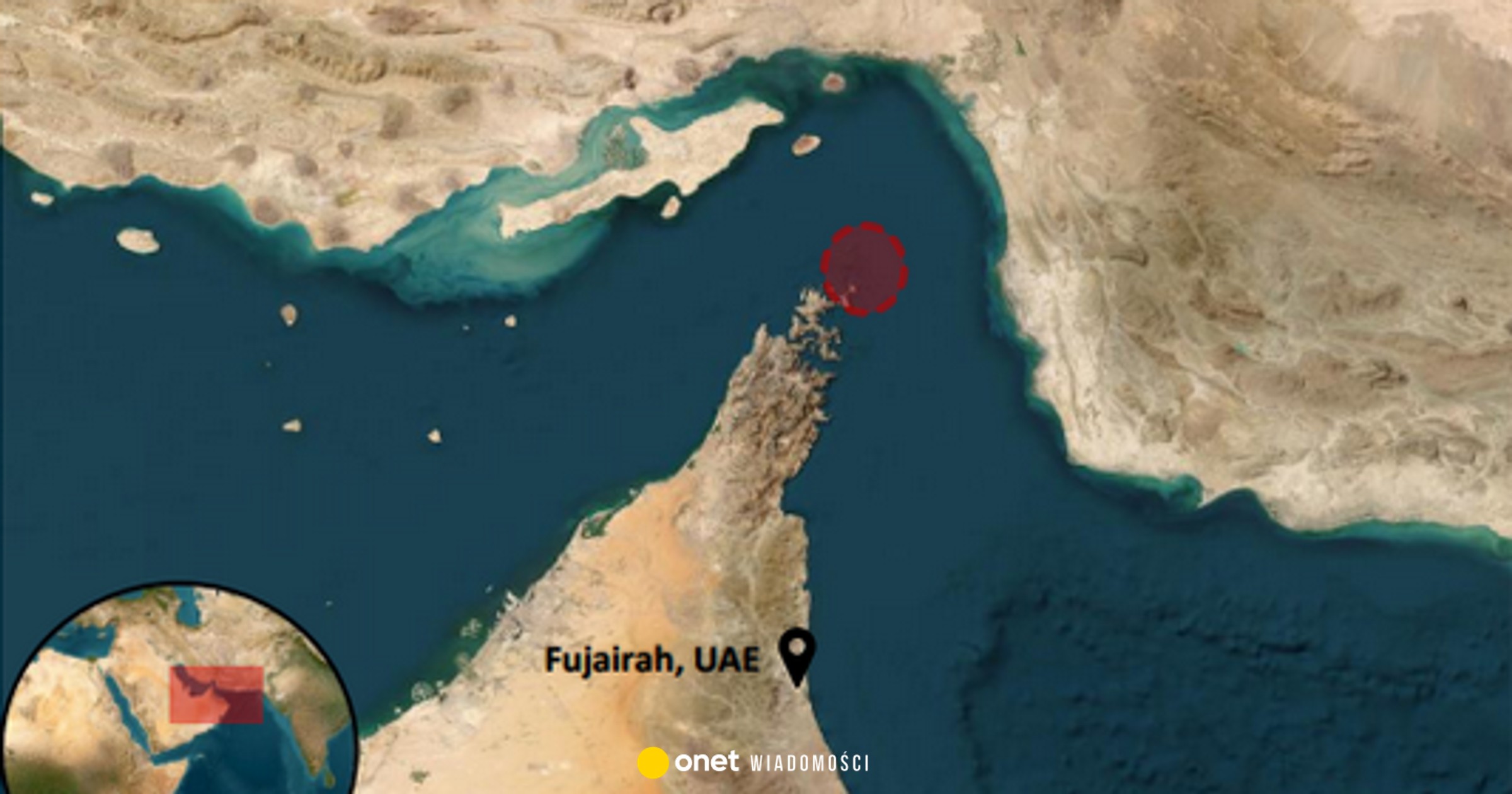
Why NATO and allies treat the problem of drones in Poland and Romania differently. Expert: “Poles have adopted a very aggressive rhetoric”


Security expert Marius Ghincea, a researcher at ETH Zurich University, explains the reasons why NATO and Allies react much more firmly in the case of drones in Poland compared to the cases in Romania.
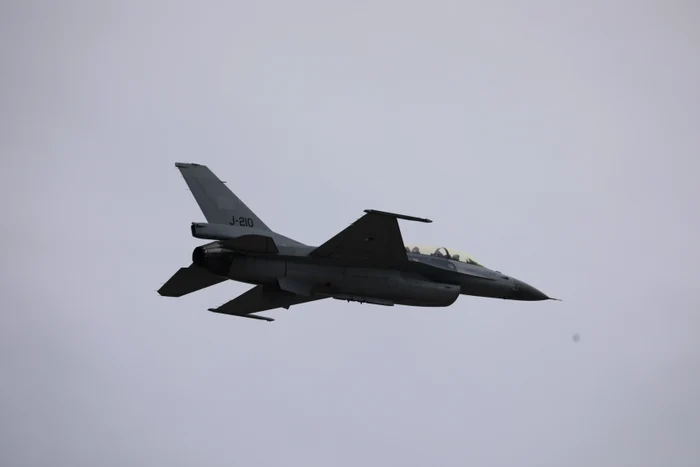
Romania raised F16 aircraft to break down Russian drones
The political scientist notes, in a Facebook post, that after the episode of Russian drones launched on Poland came a firm reaction from NATO. This is Esastern Sentry, an initiative, which, says the expert, marks a major change in the allies approach to the Russian drones entered the airspace of NATO countries.
“The launch of the Eastern Sentry initiative by NATO, as a result of Poland events, is a significant change in the Allied approach to Russian drones that violate the ally air space. In the last three years we have had dozens in which multiple Russian drones have violated the Allied airspace in Romania, the Baltic countries or Poland. reacted by a mobilization like the one we see these days”, Starts Marius Ghincea.
The expert builds his explanation starting from two factors. “Such a change requires a theoretical explanation. What has changed? Why now and not earlier? To answer these questions, I want to propose as a working hypothesis two necessary factors and together enough to explain this notable change that we observe: (1) Increasing the political will to escape the collective response and ( These two factors could explain why we see such an answer now, following the case in Poland, and why we did not see when we had multiple cases in Romania, when the drones fell over the houses of the Danube Delta ”, he adds.
More political will and a more serious case in Poland
Further, Marius Ghincea claims that there is another detail that makes the difference. In the case of Poland, the reaction to the violation of its airspace was extremely harsh, as opposed to Romania, where the authorities were limited to dry communications.
“In the Polish case we see a political will in Warsaw to adopt a much more assertive position and to climb the answer (possibly with the purpose of discourage) that we have never seen in Bucharest. In Poland we see how Donald Tusk and other officials have adopted a very aggressive rhetoric and asked for an ally. It often minimizes the information about the entry of drones. says the expert.
And that's not all. The case in Poland, concludes Marius Ghincea, was much worse than those recorded so far in Romania.
“At the same time, the case in Poland is much more severe than previous cases in Romania or the Baltic countries. In the Polish case we talk about dozens of drones that rolled through the Polish air space in a way that seemed coordinated, while in the Romanian case it was always about 1-2 drones. This indicates that we speak of a different degree, which has been a different answer. The incursions of Russian drones into the airspace of NATO states are suitable for a study in which to test such hypotheses and identify what factors lead to changes in allied positions regarding the Ukraine war and implications for the defense and allied discouragement capacity.”, Concludes Marius Ghincea.