13 types of bad bosses. How to recognize and change them?


You can consider yourself a good boss – supporting, just and hard -working. But what if your team is afraid of Mondays?
This uncomfortable question is posed by Mita Mallick, former marketing director at Unilever and Johnson & Johnson, in her upcoming book “The Devil Emails at Midnight: What Good Leaders Can Learn from Bad Bosses” (“The devil sends emails at midnight: what good leaders can learn from bad bosses”).
– Bad bosses are not born. Bad bosses are created Mallick said in an interview with Business Insider.
Read also at Business Insider
The title of the book refers to one of its first bosses, who used to send avalanches emails at midnight. Spoiler: it's a rather bad idea.
The book describes 13 archetypes of bad bosses – From a micromender to a thief of merits, from a chaos agent to a sowing fear. According to Mallick, each of them can change if the leaders are honest with themselves.
1. The devil who sends emails at midnight
During the summer internship, the head of myth Mallick almost did not contact her personally at all. Instead, she sent e -mails with urgent tasks without context at midnight. Mallick began to answer in fear.
Only two 15-minute meetings took place within 11 weeks.
Advice: Analyze your calendar and book time for the team during working hours. If you work late, use the “planned sending” and Surely communicate that the answer can wait until the morning.
2. A boss giving unwanted nicknames
This manager called the myth “Mohammed”, because her real name, Madhumita, was “too difficult”. Others followed in his footsteps. Mallick finally gave up.
Advice: Learn and use the correct names. Create team standards that react early to microagression. Do not force others to explain why something hurt them.
3. Sleepy
This boss slept regularly at meetings, delegated everything and gossiping on how much he hated his work. He was completely uninvited, and yet tolerated by management.
Advice: React to lack of commitment – your own or someone else. The “or mirror” model includes giving feedback, creating space for honesty and a plan to improve with clear responsibility.
4. exaggerated controller
This boss He wanted to be added to every emailhe clung to formatting and constantly improved the team's work, even when there was no such need.
Advice: Micro management destroys trust. Focus on the results, learn through mistakes and refrain from supervision. Ask yourself: Is it about quality or control?
5. White rabbit
This boss He turned each task into a crisis. Urgent meetings, changing terms and chaos were commonplace.
Advice: Surely determine what is urgent. Model “Define, prioritize, protect” It helps maintain concentration and protect the team from burnout.
6. “Meduza”
This boss shouted at employees, challenged a salad for ordering, and once threw a designer shoe at a friend. “Fear kills communication, trust and innovation” – writes Mallick.
Advice: Do not identify intensity with authority. Create safe spaces in which people feel heard and respected.
7. A great manure
After the announcement of the myths, this boss took her projects, refused a chance and sent “quick requests” during the holiday – while promoting himself as an ally of working mothers.
Advice: Ask what the team members need – do not assume. “Protective” behaviors based on prejudice often They postpone ambitious employees.
8. Smiling loser
This boss was loved, nice, cheerful, always smiling. But according to Mallick – completely incompetent. He didn't know what to do And he commissioned everything to the team.
Advice: Courtesiness does not replace competence. If you can't do it, ask for help, train or Think about whether people management is for you.
9. Cheerleader
This boss was constantly positive and He used this positiveness to deny reality. He ignored the problems, set unreal goals, and then blamed the team for not getting them.
Advice: Replace “toxic positivity” with realistic optimism. Confirm the difficulties. Do not know people despite adversity – support them in looking for solutions.
10. “Gossip”
This boss revealed confidential information, He spread rumors about team members And he used them to maintain power. Mallick was wrongly accused of something she did not say and almost lost an important friendship at work.
Advice: Just don't participate in it. Set the standards that eliminate rumors and build a culture of transparency.
11. A thief of ideas
This manager attributed the work of the team, copied all self -esteem Mallick and told her to send her praise to his boss.
Advice: Let people present their own work. “Good leaders share the splendor of success,” writes Mita Mallick. “Bad bosses steal him,” he adds.
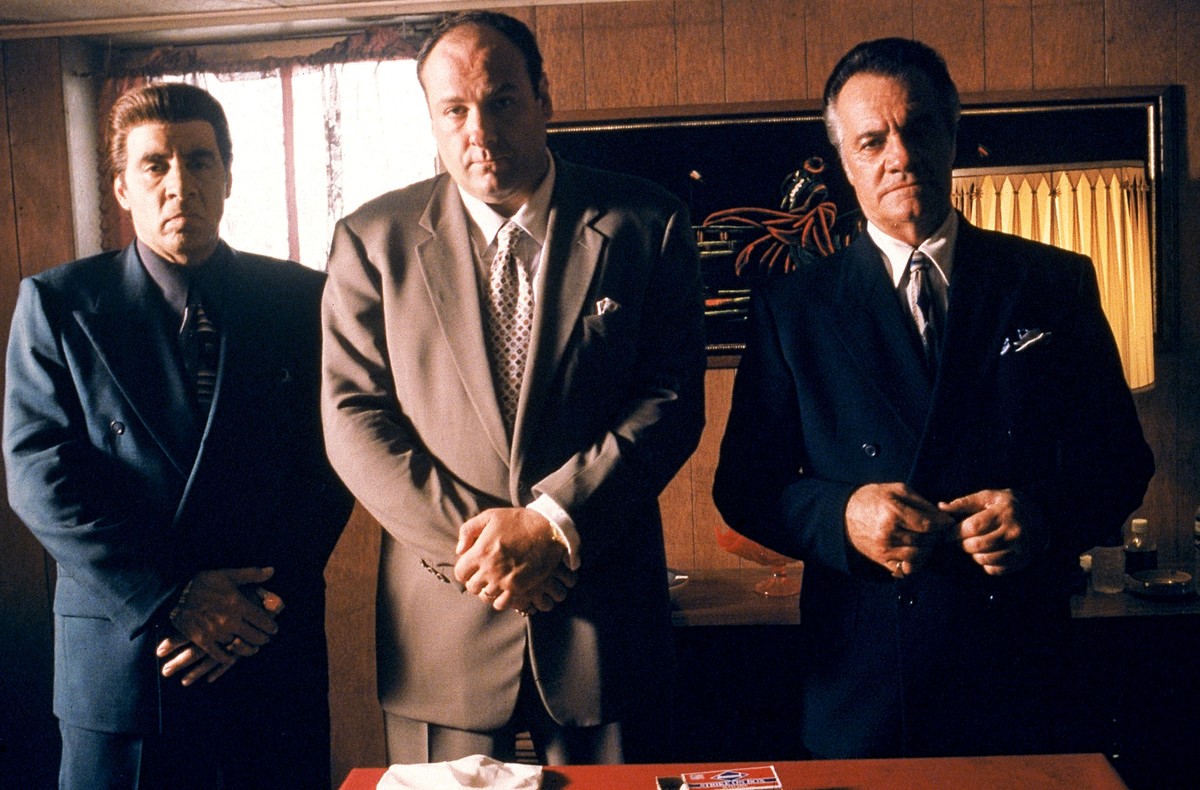
12. “Tony Soprano”
When Mallick was considering internal promotion, her boss accused her of treason. He called her “rat”, tried to block the transfer and forced him to leave.
Advice: “You are not the owner of your team.” Leaders should support development, do not punish for ambition. Let people go when they are ready for the next step.
13. Boss in mourning
Mallick's most personal story: After his father's death, she became inconsistent, emotionally inaccessible and reactive – exactly what she warned about. When the team member left, it was a warning signal for her.
Advice: Be honest when you don't feel good. Take free. Set expectations. Mourning does not justify bad leadership, but ignoring it can cause more damage.
The above text is a translation with American Business Insider edition