Read also: The Japanese elections are more important than everyone thinks
As reported by “Gazeta Wyborcza” the transaction was supposed to be an ordinary loan for several thousand zlotys, even confirmed by a handwritten contract. For banking systems however, it looked like a classic fraud scheme.
Why did the bank interpret the transaction as fraud?
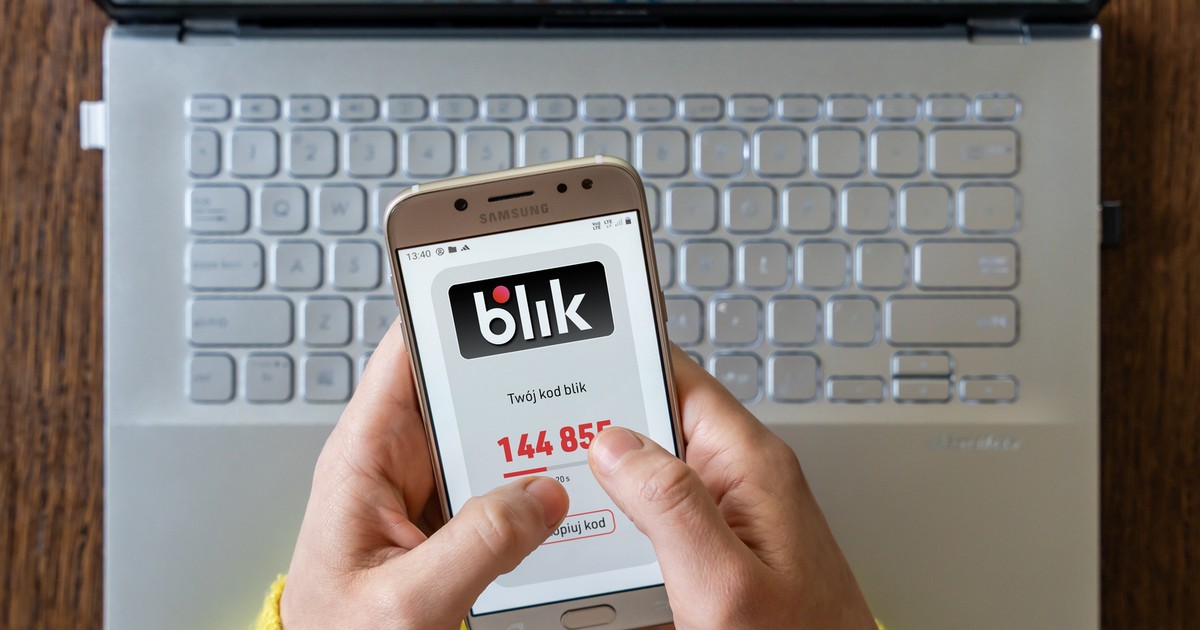
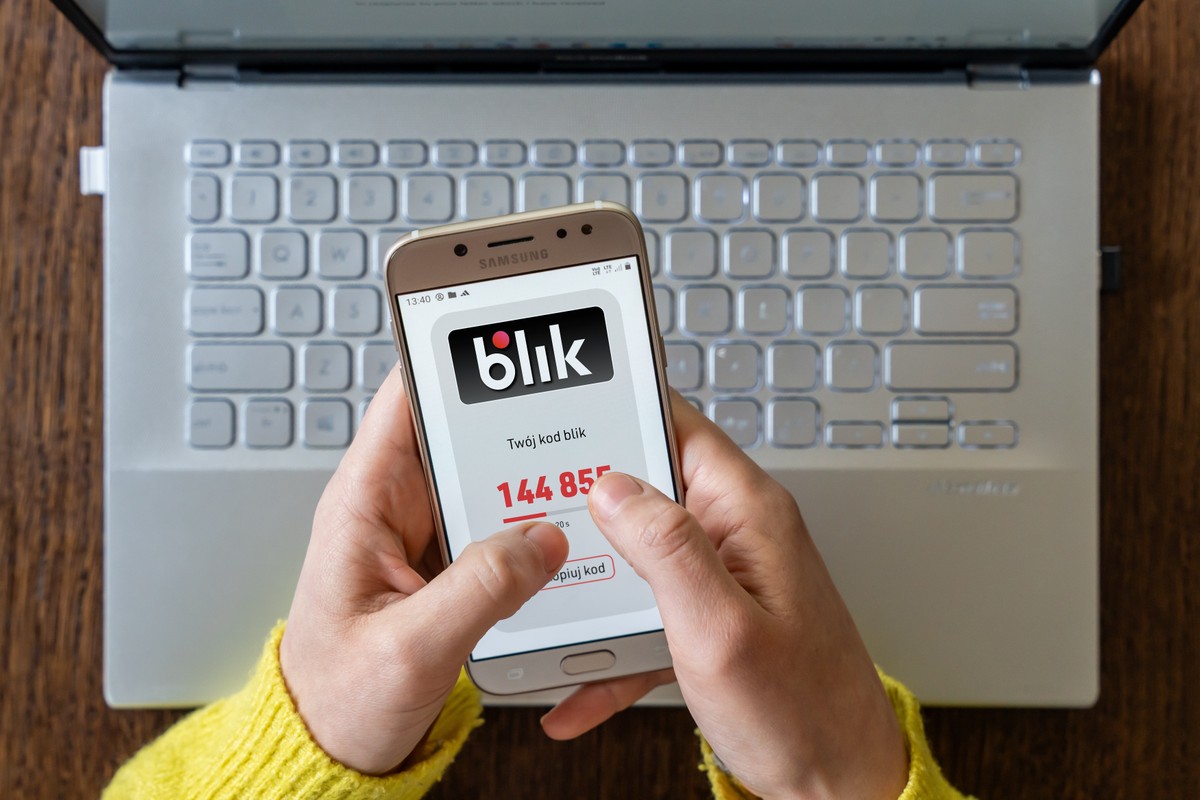
The woman and her friend lived in different cities. Instead of meeting in person or making a transfer, they decided to withdraw cash using the BLIK code. She generated the code and accepted the transaction in the banking app, and he withdrew the money at the ATM.
At this point, however, security mechanisms were activated. The bank saw that the account owner's phone was hundreds of kilometers away from the ATM, and what's more she was on the phone when the code was approved.
This connection turned out to be crucial. For several years, banks have been intensively fighting telephone fraud and extortion based on social engineering. A typical scheme involves the criminal calling the victim, impersonating the police, a bank or a family member and persuading him or her to make a transfer or provide the BLIK code.. Therefore, some banks monitor whether a regular telephone conversation is taking place at the time of ordering a withdrawal or transfer, and if there is an increased risk, they automatically block the transaction, and sometimes the entire account.
Importantly, this only applies to regular phone calls – conversations conducted via WhatsApp, Signal or other messengers are not visible to the bank in this way.
Read also: Donald Trump abolished tariffs on goods from India. Putin has a problem
After blocking the transaction, the bank also used CCTV footage from the ATM. The video showed that the man was withdrawing the cash, not the account owner. This practically decided the matter. The woman handed over the loan agreement to the bank and admitted that she had made the BLIK code available to a third party, which is a formal violation of the regulations, and is now waiting for further decisions.
Blocking transactions by using BLIK. When can we expect it?
This does not mean that any such transaction will always be blocked. Banking systems operate context-sensitive. Usually they do not respond to small payments, for example for online lessons or children's shopping, they often tolerate passing codes within the family and usually do not block one-off, small “gift” transfers. The problem begins when several factors appear at once: high amount, phone call, long distance between phone and ATM and cash withdrawal.