The Polish millionaire took the hat from the child during the US Open. The wave of criticism is huge


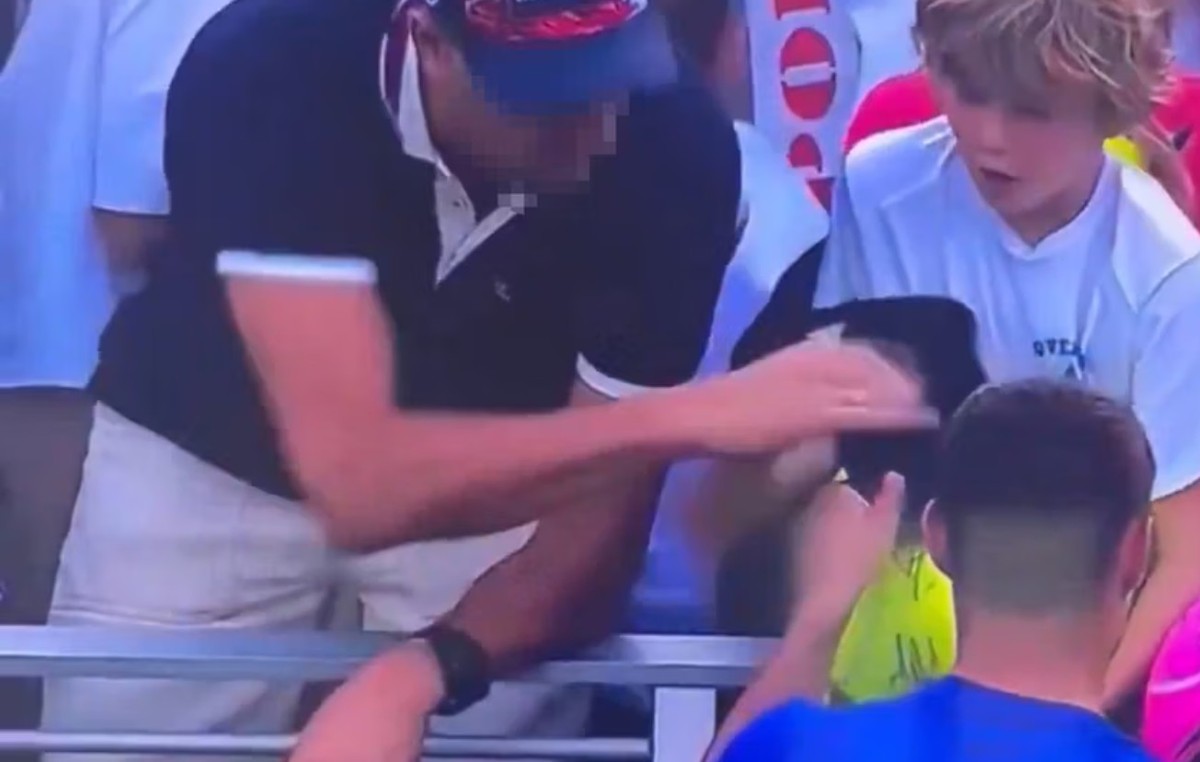
The man's identity was the subject of intensive speculation on the web, until in an interview cited by the Polish Sports Media Majchrzak confirmed that it was about Piotr Szczerk. At the same time, numerous foreign editors wrote about the incident, from NDTV to “The Times”emphasizing the scale of the internet reaction. Some of the titles indicated that after the scandal of the scandal, his social media profiles disappeared or were muted. At the time of publishing many relations, the company did not issue an official statement in the case.
There was also an alleged message of the office representing a businessman. However, it was a fake and an attempt to impersonate a lawyer – the office quickly denied it on LinkedIn and announced legal steps. This is an important detail because shows how quickly false “statements” appear in the reputational crisis pretending to be a vote.
Fatal for the image of Drogbruk
It is important for business that Drogbruk is officially listed among the partners of the Polish Tennis Association. In the context of such a scandal, sports partnerships are vulnerable to reputational turbulence by nature, because brands of federation and sponsors are in one chain of associations. In practice, this means pressure to react, expectations for ethical standards and questions about continuing cooperation.
The rest of the article under the entry:
In Poland, the matter immediately spilled from social media to websites with opinions about employers and to online comments. An example of the company tab on Gowork shows how in hours pHundreds of emotional entries that do not relate to working conditions, but to keep one person, can appear from the employer's profilebut they lift the visibility of the case on Google and leave a long -lasting trail in the search engine. For B2C sales and recruitment – this is a real, measurable cost.
How do such behavior destroy the brand value and sales? First, they hit the trust and capital of reputation, i.e. the largest soft assets of the company. If the hero of the recording is a person associated with the brand, the Internet makes a rapid merger “man = company”. Then there is a cascade of the effects: Sports partners and federations are placed against the wall and must assess whether staying in cooperation will not be an image risk for themand distributors and retail chains can start asking questions about brand safety.
Some potential candidates for work will start bypassing ads, and in the end the crisis becomes the subject of media relationships, while in the search results the company name will be adjacent to the terms “scandal” or “theft of a hat” for a long time.
These phenomena can be seen here in the hand, because the incident from the stands quickly went to global, sports and business services, and The athlete had to start the search for a young fan to minimize emotional and image damage.
Silence and defense are rare
Contemporary crisis Playbook suggests that it is better not to ignore the matter. The sequence is more effective: accepting responsibility, unambiguous, human apology without preliminary conditions, specific compensation towards the injured party, clear separation of the emotions of a private person from the brand and the immediate implementation of behavioral standards for company representatives during public events.
The rest of the material under the entry:
When the thread concerns sports partnership, It makes sense to develop a common position with a federation, showing that fair play values are not an empty sloganand a review of sponsorship activation for risks.
If the emotions around the name of the owner escalate, it is short -term needed to remove him from the role of “the face of the brand” to stop sticking a person with a logotype. It is also worth remembering about information hygiene. False “official” messages bloom in the crisis, which is why the company's channels should immediately publish verifiable statements and point after the point to correct disinformation, as in this story the office denying the lined message did.