In accordance with applicable regulations, Entrepreneurs maintaining mandatory gas reserves outside Poland must book the capacity at cross -border connections (interconnectors), even if they do not use it for transmission.
Read also: Orlen and Michał Sołowo came to an agreement. The first nuclear reactor will stand here
The European Commission has questioned the applicable regulations. What is the problem?
The current entry provides that those who store gas abroad, They use transmission capabilities reserved for the purposes of providing total amounts of mandatory stocks only for the needs of sending them to the country in the event of a crisis and this bandwidth cannot be used in another way.
The European Commission recognized this requirement not in accordance with the Regulation of the European Parliament and of the Council (EU) 2017/1938 on the safety of gas supply, the so -called SOS regulation on gas supply safety. In her opinion Such regulations discriminate against importers and traders, limiting market competitiveness.
The vetoed act provided for the removal of this obligation. At the same time she introduced the need to obtain the consent of the relevant minister for storing stocks abroad – in the territory of EU, EEA and EFTA countries – provided that the accumulated gas could be brought to Poland within 50 days (currently the requirement is 40 days).
Read also: Act on the stay of Ukrainians vetoed. What will be the consequences? [ANALIZA]
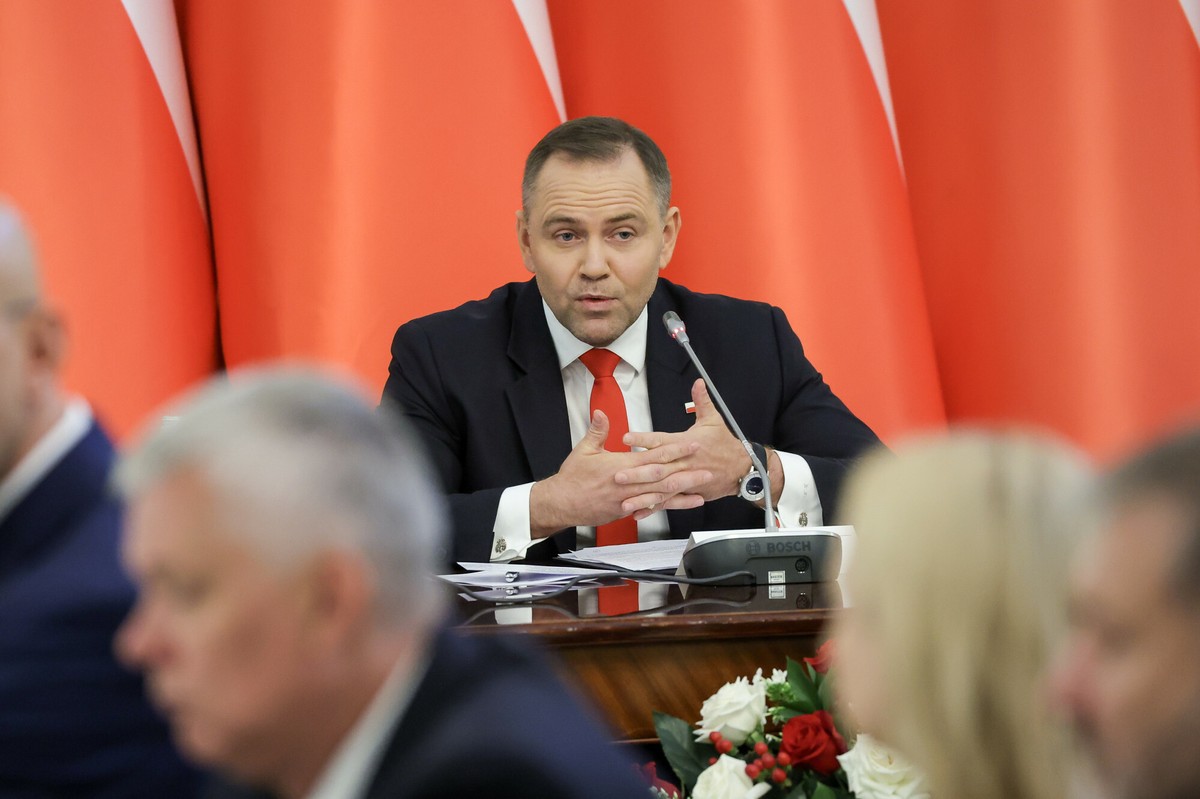
Karol Nawrocki's veto to the Act on oil and gas reserves. The president justified the decision
In the justification to the veto, it was written that both Extending the date of sending inventory to 50 days, as well as the introduction of the minister's consent, and the abolition of the obligation to maintain bandwidth on the interconnector are insufficient to ensure energy security.
In addition, as indicated, The provisions contained in the Act regarding the possibility of storing gas abroad, if they look “procuress” in a short term, they are long discouraged from domestic investments, such as gas magazines or the second floating FSRU terminal.