At the Rossini Festival in Pesaro, “Zelmira” between the performance of the musical achievement and the directorial controversies


Auditorium Scavolini from Pesaro was reopened last year for the festival, built in 1956. Only the room of over 1000 places received in 2025 a completely different configuration, after the classic theater passing or better said, stadium.
With stands, lawns, tunnels, degrees and a large parallelepiped island in the middle, surrounded by “track”, having a tower for the orchestra, the rest of the surface remaining available for the scenic space, a floor carved in tiles and illuminated at various intensities. In it there were a few more or less deep cutouts for a grave, a water pool …
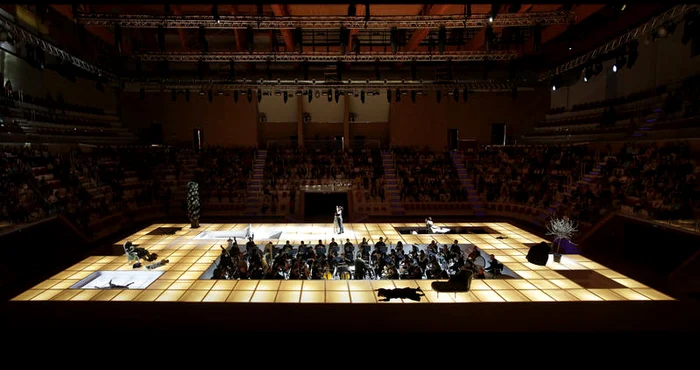
Photo amati Bacciardi
Obviously, the heroes play on the floor, the access of the choir and the soloists is made through tunnels, on the stairs of the stands and lawns, some instrumentalists – mix – sing from the high speakers above a lawn. The choristers are still crashing at the edge of the island.
With all the transformation, the acoustics of the room has maintained optimal, everything is heard, regardless of the place of sound sources. Without amplification.
This would be the description of the arrangement that the Spanish director Calixto Bieato imagined, debutant at Rossini Opera Festival (ROF) in the new production of the “Zelmira” Opera, the ninth and last title composed of “Swan from Pesaro” for Naples, with premiere in 1822 at the San Carlo Theater. A configuration for the four festival shows. What will happen next year with the format of the room, we will see.
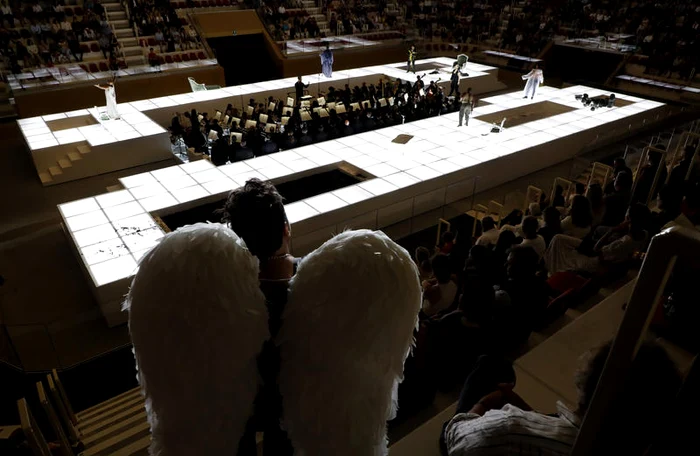
Photo amati Bacciardi
Bieato is a renowned name of contemporary mizenscene, radical exponent of Directorapplying drastic readings to the classic, controversial, haulted titles, appreciated with various balances, but sought for the curiosity it arouses among the audience who, at least at the show of August 16, has not been crowded.
This installation of the “Zelmira” work is based less on decorations, there are few, small in size to the scenic space, some concrete objects (an armchair, a table, military headphones, deities …) sporadic present on the plateau with more or less symbolic, partially useful functions. Signatories, Calixto Bieato and Barbora Horáková. The costumes, mostly black, are of various temporal extractions, crinoline and stretchwith their opposite change (the titular heroine), aprons for Emma friend, modern camouflage military uniform for Zelmira's husband, ILO, with weapon, wound, range, helmet. I also identified a modern costume, then a crown or a golden scarf, symbols for the coronation of the antenore usurper, a long discolored cloak for Polidoro, the king of Lesbos. Author, Ingo Krügler. The lights due to Michael Bauer were coherent and well integrated to the various paintings of the plot.
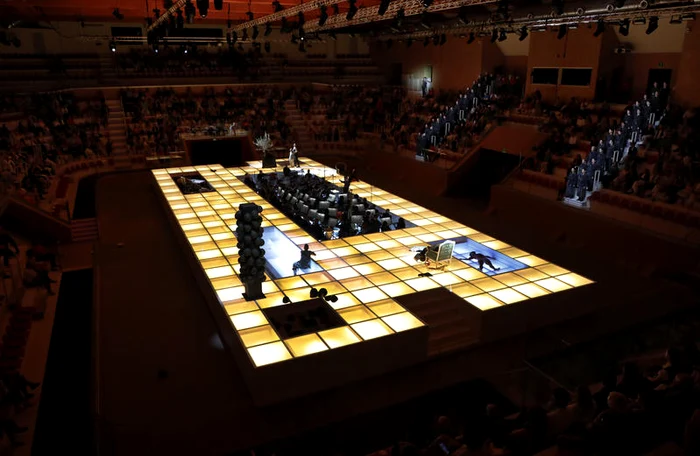
Photo amati Bacciardi
The characters are generally properly outlined, especially the female heroines, Zelmira and Emma. But the Trojan Prince Ilo, the director attached a psychotic, deeply affected by the war from which he had just returned. Tired, he sleeps all the time where he can, he is shaken by memories, lies under a table, the relationship with Zelmira seems non -existent, the approach of the two is practically null. Likewise, Antenore, one of the two plotters is epileptic, the other, Leukippo has moments when it blows … soap balloons, suggesting signs of senility. Both form a couple gaypresented without Bieato bypasses.
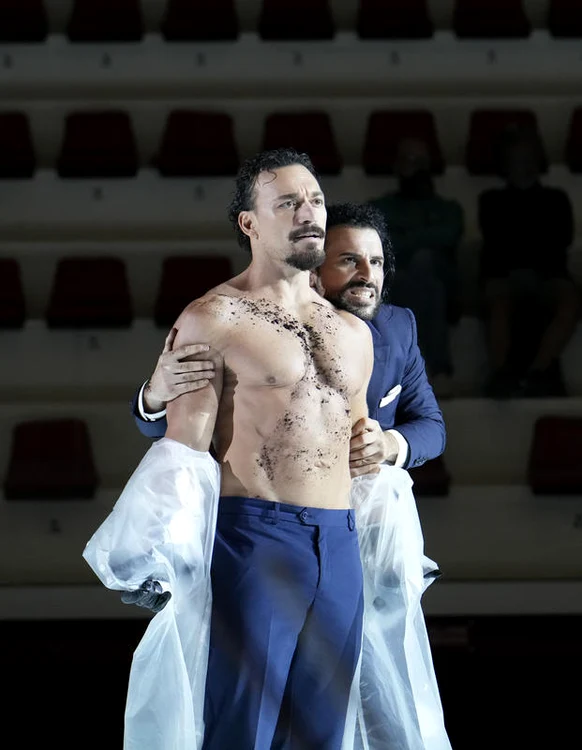
Gianluca Margheri, Enea Scala. Photo amati Bacciardi
Another surprising find. Leukippo takes Azorre, the Sovereign in Manylene killed by the two conspirators, and he will walk ghostly, supervising the entire work.
It must be said that the pursuit and identification of the places of the complicated action is made quite cumbersome, especially since there is no overlying. Four ceiling screens with directions at the cardinal points of the room would have easily solved the problem.
With all the directorial skids towards Andrea Leone's librette, the game of participants in the action is well purchased, inspired and convincingly from a dramaturg angle. BIATO is an experienced director in working with the actors.
Canto company
The great merit of production constituted the musical interpretation. A dramma per music Rossinian, written in full effervescence, is not available to any soloist, conductor, whole. The critical edition of the Rossini Foundation in Pesaro was sung in collaboration with the Ricordi House in Milan, a variant cared for by Helen M. Greenwald and Kathleen Kuzmick Hansell.
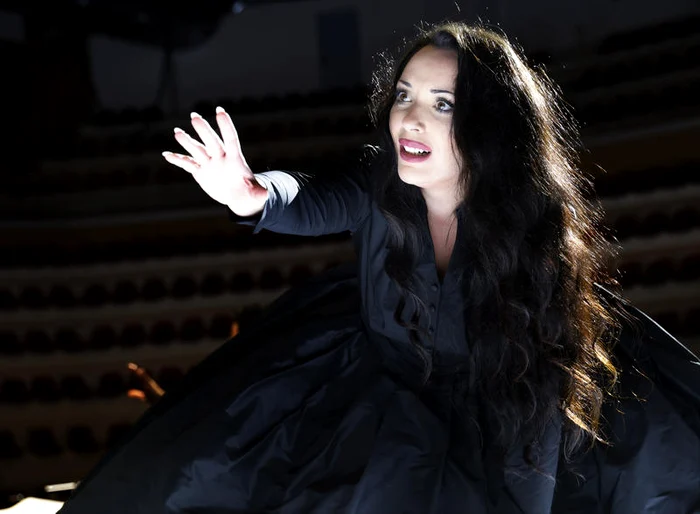
Anastasia Bartoli. Photo amati Bacciardi
In the role of Zelmira, the Italian soprano Anastasia Bartoli, the daughter of the famous Cecilia Gasdia evolved, currently
Sovrintendent At the Verona arena, a singer who excelled in the Rossinian role in the late 80s. I have now reviewed Anastasia Bartoli after the concertant debut in Desdemona Verdian at the George Enescu 2023 festival and the show “Ermione” by Rossini at Rof 2024 in which he had interpreted the titular role.
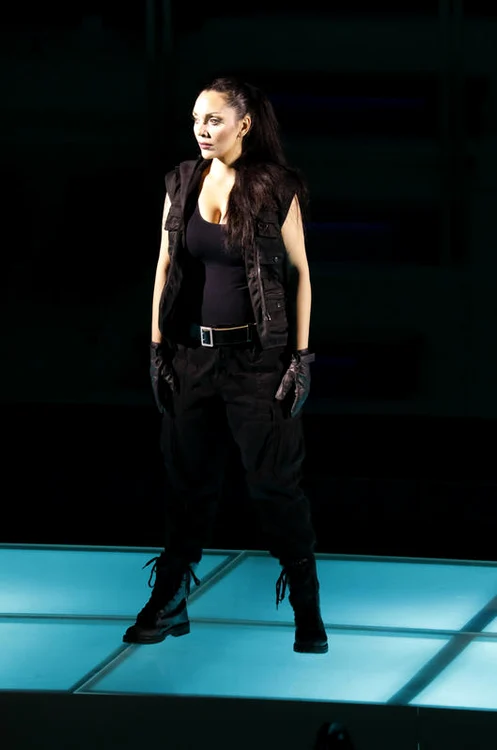
Anastasia Bartoli. Photo amati Bacciardi
I was reconfirmed the forecasts I made last year regarding the evolution of the artist in the repertoire Drammatico d'Agilitànow validated and associated with other virtues, of which I note the exceptional musicality, the accuracy of the cascades of agility, the ease of attacks and the nuanced modeling of the acute phrases, the sound of the sound, the precious color, the bright, I emphasize, of the notes from the central and high technique. The great happy conclusion of the work, the final area “Riedi al Soglio: Irata Stella” was a demonstration of all these gifts of technique and a Belcantist expression, concluding performance.
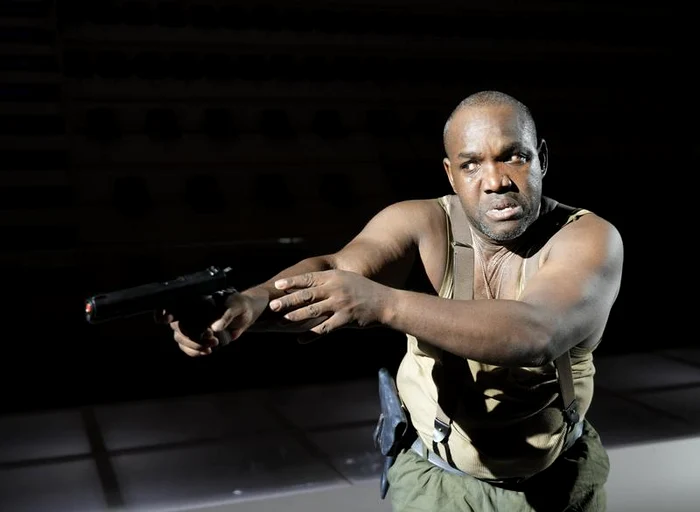
Lawrence Brownlee. Photo amati Bacciardi
The champion of acute tenoral flows, the American Lawrence Brownlee (ILO) has made a high virtuosity demonstration in the “S'INTESSANO AGLI ALLORI” input cavine, in the duet with Zelmira and in the one with Polidoro. I notice at Brownlee nuanced canteen and spectacular attacks on supernacular intervals, impeccable ranges on high fabric, ease of configuration of bravery drawings, execution of acute fabrics with a disarming facility, with perfect breathing. And he is a brand of brand. The effort is great, Brownlee is passing from all over the body to difficult passages.
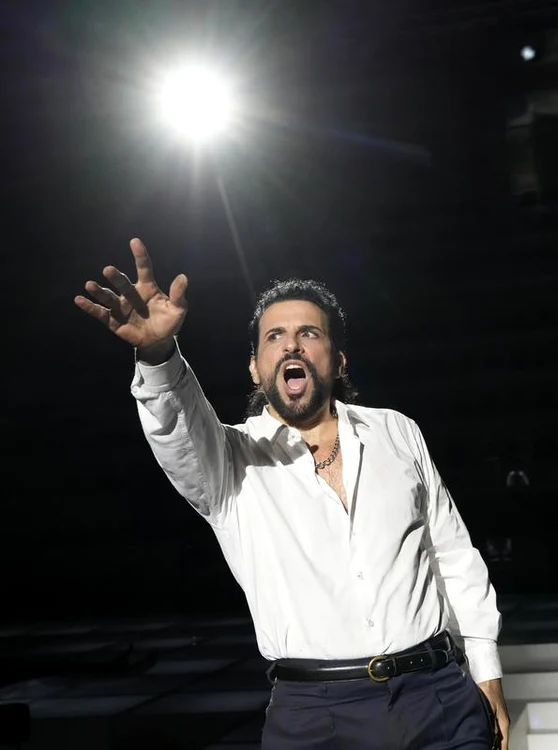
Enea Scala. Photo amati Bacciardi
For the role of Antenore, Rossini has asked for a typical Belcantist vocality, but disappeared over time, Baritenore. The Italian Enea Scala possessed it with a prisonement, in the sense that the central and serious registers sounded with thickness and “fat” of quasi-baritone sound, who added voice mobility, dramatic accents and agility in the high one, concluding the area “Ment Qual Fera Ingurda” from the first act with an acute spectacular! Criminal Calixto Bieato!
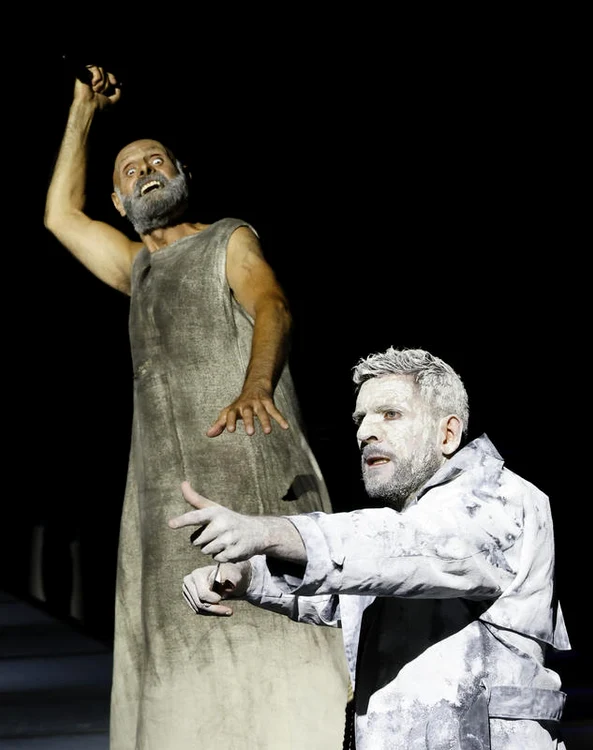
Marko Mimica. Photo amati Bacciardi
Polidoro, the father of Zelmira, hidden by this to not be killed by the conjurations, was played by the Croatian Marko Mimica, the owner of a qualitative voice of noble bassgenerous, rich in harmonics, ductile, sumptuous, solemn, with a splendid playback of the Cantilene from Cavatina “ah! and Tracorse Il”.
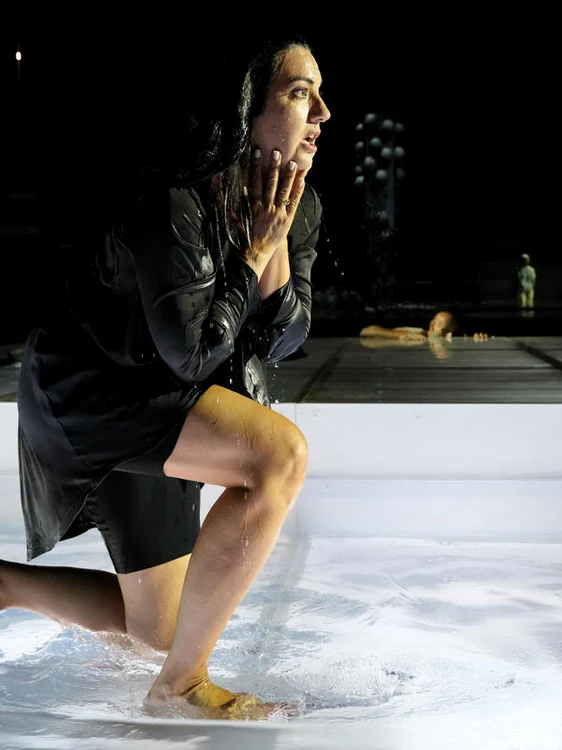
Marina Vio. Photo amati Bacciardi
The confidancy of Zelmira, Emma, received the round stamp voice of the mezzo -soprano born in Switzerland and established in France Marina Vio, whose prayer from the second act “Ciel Pietoso, Ciel Clemere” was one of the strengths of the evening, by the appearance of a soft expressive line, as well as in Piano penance. The acute register has developed alternating lightweight lights, and the serious one has brought contral colors. During the area, the director imposed his spirit purification in the water basin.
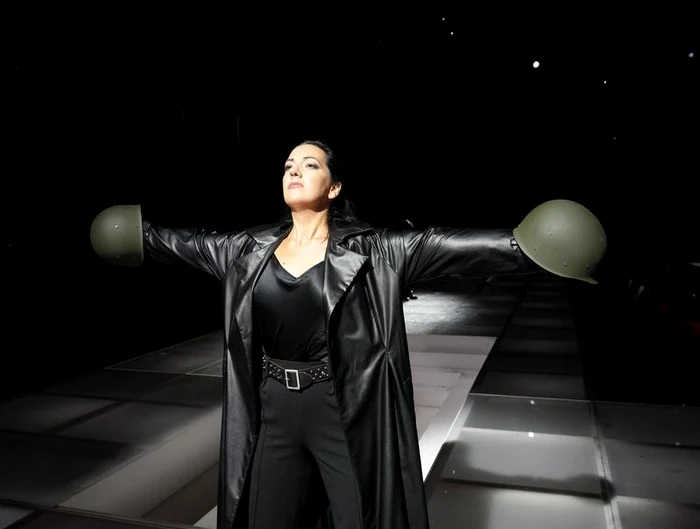
Marina Vio. Photo amati Bacciardi
A homogeneous Bariton voice had Florentine Gianluca Margheri, like Leucippo.
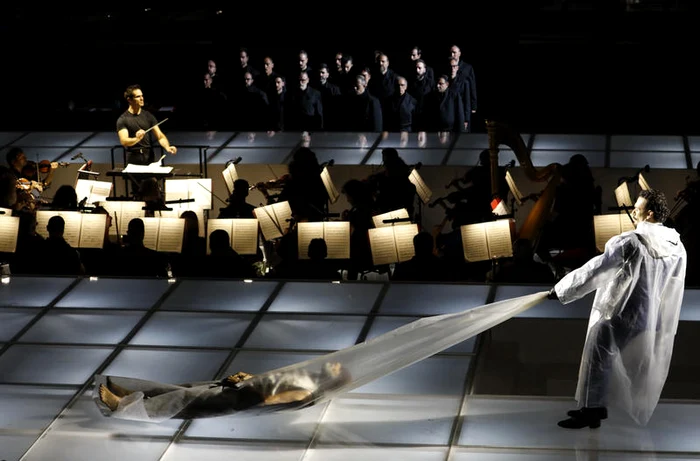
Gianluca Margheri. Photo amati Bacciardi
In the other roles, the Italian Paolo Nevi, Tenor (Eacide) and the Chinese Shi Zong, Bas (the high priest) sang.
Along with the soloists, other important Rossinian specialists were in the desk, the Italian conductor Giacomo Sagripanti and in the fossa, the Orchestra del Teatro Comunale di Bologna. Attentive, the wand induced the instrumentalists refinements, subtleties and dramatic strength, giving the show cursive and theatricality. The singers felt well followed by the conductor, being offered the comfort of temporary necessary to carry out the difficult passages on the portament and above him. Thanks to the head of orchestra, the show pulsed dynamically and expressively. A basic contribution made the Choir of the Ventidio Basso Theater prepared by Pasquale Veleno, through welded qualitative and monolithic voices. Capable of nuances well integrated to the spirit of the opposite.
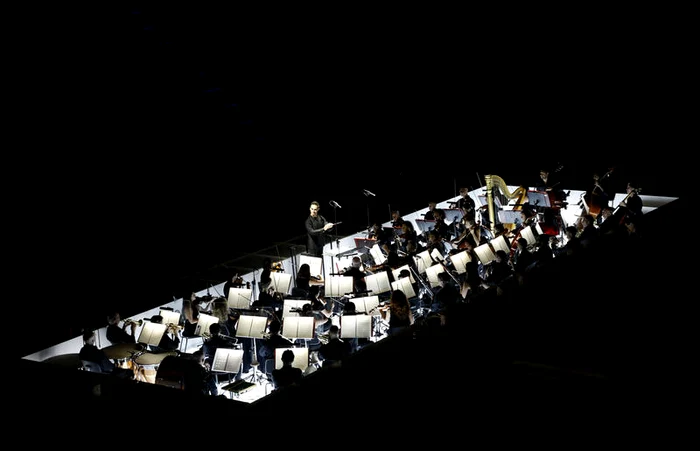
Otchestra del the Teatro Communale di Bologna. Conductor Giacomo Sagripanti