X-ray of a misogynistic society. How body ridicule became the “weapon” of choice in politics

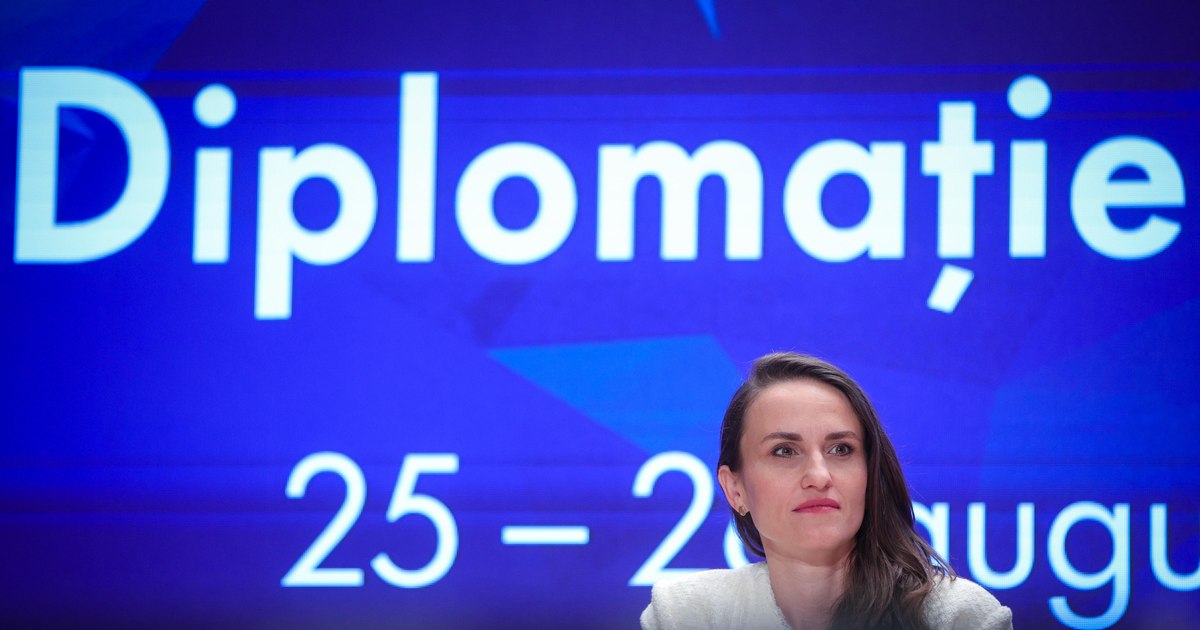
The attack on the person has become the preferred “shortcut” of the public debate in Romania, replacing rational arguments with insults related to physical appearance. From the caricatures aimed at Oana Țoiu, to the bodily ridicule of Diana Șoșoăca, the phenomenon of political body-shaming exposes a society that, under the mask of respectability, fuels suburban aggression. Communication expert Radu Delicote explains why even formal education doesn't protect us from the urge to become “keyboard warriors” and how social media algorithms turn hate into currency.
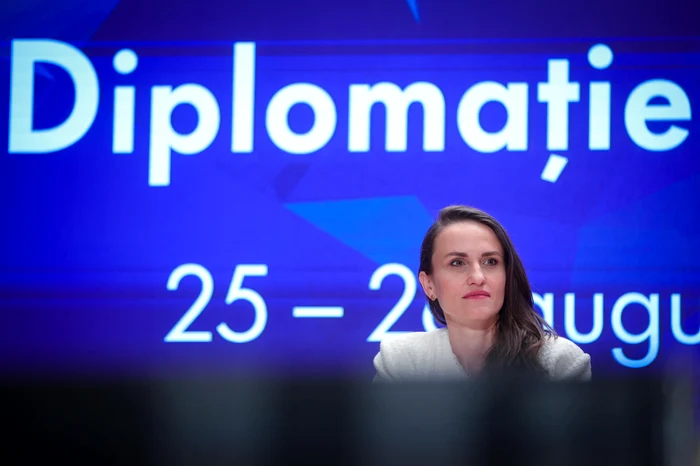
Oana Țoiu was the target of personal attacks in the online environment Photo source: Facebook
Short for ridicule
The wave of ironies, caricatures, photos in which her image was falsified and attacks on Oana Țoiu is not just an episode of “hate” online, but an increasingly common pattern: the way politicians often become targets of attacks focused not on ideas or decisions, but on physical appearance and personal identity. In fact, personal attack is one of the fastest ways to erode credibility without engaging in a real debate.
“It's easier to criticize how a person looks than to be able to bring some rational or relevant arguments”, explains Radu Delicote.
When it comes to women in politics, these types of attacks are even more common. Delicote blames the structure of society:
“We are still a deeply misogynistic society and we prefer personal insults and attacks. Usually, when we criticize, we do not know how to do it constructively, but only destructively, preferring suburban type attacks on the person and the appearance, instead of having a more civilized approach. This shows very much the chronic lack of education that we have in society. And it shows our inability to face and overcome a range of fears, cultural traumas and issues, as individuals and as a society.”
A pattern that transcends political sympathies
The phenomenon remains visible even when we change the political camp of the criticized women. For example, Diana Șoșoăca was, in turn, frequently the target of ironies related to her physical appearance.
Although in her case there are numerous controversies and slippages of discourse that could constitute legitimate subjects of criticism, part of the public reactions chose the same shortcut: bodily ridicule. Those who have used this practice include people with a high level of formal education. What does this show? Radu Delicote says:
“From this point of view, it doesn't necessarily matter how much school you went to, because you went through it for nothing.”
How social media amplifies the phenomenon
Most manifestations of extreme personal attack occur on platforms such as Facebook or Tik Tok, which are littered with acidic comments and posts, often with suburban language.
“Social media, as it is today, is an extremely acidic environment. There is no way you can build rational elements, in which to explain certain matters of context, when the emotional prevails. Unfortunately, the algorithms are built precisely to bring these practices to the surface“, says Radu Delicote.
Moreover, the expert adds, there is also a fundamental confusion in how the public uses these platforms:
“A profound mistake we make as consumers is that we seek to inform ourselves on social media, even though these media are built to sell.”
Who is the keyboard warrior
The paradox is that such messages are not only propagated by anonymous accounts, but by apparently respectable people — parents, grandparents, professionals — who adopt a different behavioral register in the digital space.
How social media pushes us towards superficiality and aggression. Communication expert: “It's like when the automobile appeared”
“We prefer to be keyboard warriors, so we hide behind nasty or nasty comments, behind a keyboard and a screen, instead of better understanding what's going on.” is Radu Delicote's opinion.
Lack of role models and the normalization of verbal aggression
According to the communication expert, the type of language online is also fueled by the models promoted in the public space: “We see people who succeed through aggression, through attacks. Not people to adhere to through values or principles.”
The serious thing is that these behaviors are starting to go beyond the keyboard and are also reflected in everyday life:
“Maybe we won't see someone on the street pointing the finger at a woman and laughing at her as much as it happens in social media, but, through certain subtle behaviors, we already see at the level of society that this type of manifestation is starting to be seen on a physical level, not just virtual”.
One such example can be the hearing in Parliament of Oana Țoiu, when political people like the former social-democratic minister Adrian Cîciu (now deputy) chose to attack the person instead of dialogue with political opponents. The Foreign Minister was not the only one targeted. Cîciu's verbal slip was also directed at USR deputy Iulian Lorincz
“What's with that untrimmed beard? Mr. Lorincz, are you telling us about education? Did you ever go to the barber? Did you cut your nails to come talk to us?”, Ciciu addressed him.
The former minister also made remarks that entered the area of xenophobia and which brought him a complaint to the CNCD.
,,You are from UDMR, you don't understand what it means to be Romanian!“, he said to UDMR MP Hajdu Gabor.
The case of Oana Țoiu is thus relevant not only because of the intensity of the reactions, but because of what it reveals about the state of public discourse.
“Instead of making an argument or a dialogue, you attack a person. It's a lack of argument and an inability to manage the situation,” emphasizes Radu Delicote.
In the long term, the effects are not limited to the individuals concerned, but affect the quality of the debate and the standards by which those in public life are evaluated.
Is there a way out?
Yes, but change will come hard, according to the public communication expert.
“Things change by themselves, with pressure from the bottom up. This is what I think will happen. It will take social pressure at the individual and micro-community level, from the bottom up. Simple people, normal people, who are tired of these things to try with small gestures and elements to change things, little by little. Yes, it's a matter that will take a long time, it will transcend a generation (maybe even two), but little by little we will have to civilize ourselves, because we have no choice”.
Scandal in Parliament at the hearing of Oana Țoiu regarding repatriations. The Foreign Minister was accused of avoiding questions and giving incomplete explanations