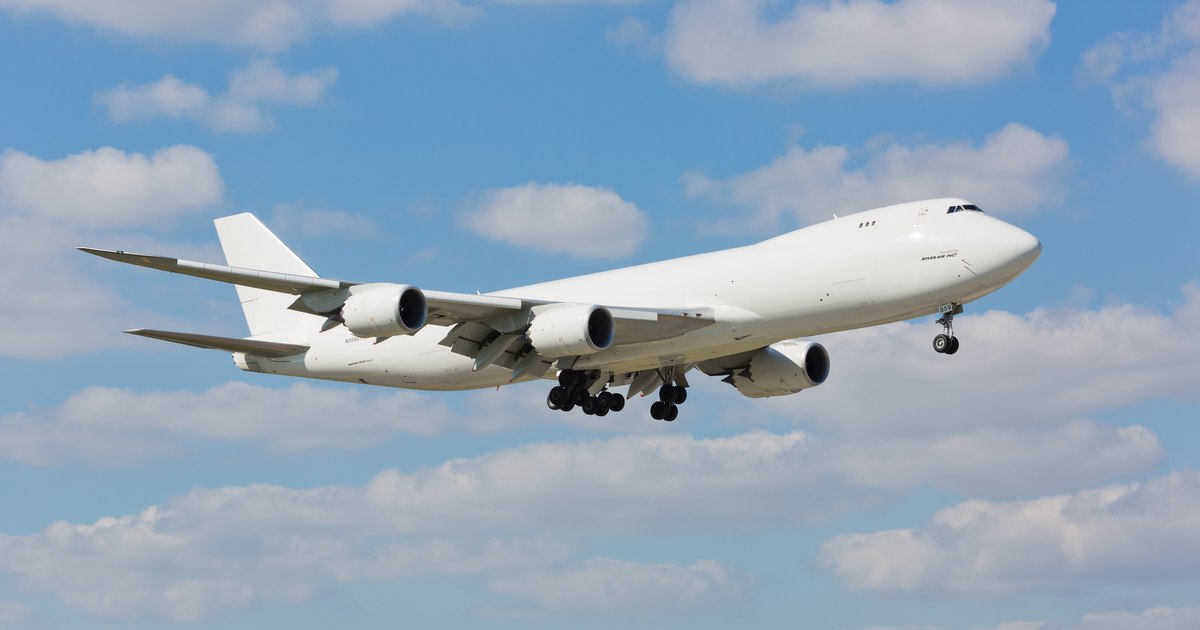
The more frequent air turbulence are an effect of climate change, the frequency of turbulence will increase, according to several experts. Between 2009 and 2024, 207 people were injured during agitated plane travel.
Photo: Shutterstock
According to official data, turbulence are the main cause of accidents during flights related to weather developments, even if the numbers remain relatively small. Between 2009 and 2024, 207 people were injured during agitated plane travel, writes Agerpres.
“In general, the injured passengers are the ones who did not have caught the seat belt or navigating staff ”, explains John Abraham, professor of mechanical engineering at St. Thomas.
“Modern aircraft can cope with turbulence, so the main risk is that passengers are injured and not the loss of the plane“Adds John Abraham.
However, aircraft should be inspected after they have gone through turbulence “Serious”, which happens about 5,000 times a year above the US, says Robert Sharman, a scientific researcher at the National Center for Atmospheric Studies.
Mohamed Foudad, a scientist at Reading University in the United Kingdom, there are three main types of turbulence: convective, orographic and outdoor (CAT).
The convective ones are related to air currents from clouds or storms, which can be visually or radar detected, while the orographic turbulence occurs above the mountain ranges.
In contrast, outdoor turbulence are invisible and therefore more dangerous. These come largely from the strong western winds present in the upper atmosphere, at the same altitude as the commercial aircraft (10 to 12 kilometers).
Global warming increases the speed and shear of these western winds, sudden changes in vertical air currents – the so -called air bags. All this triggers outdoor turbulence.
In 2024, Mohamed Foudad and his colleagues published an article in the Journal of Geophysical Research, analyzing the data on the 1980 turbulence.
“We have a clear increase in the frequency of turbulence in many regions, especially North Atlantic, North America, East Asia, Middle East and North Africa“Said Mohamed Foudad, adding that it is growth ranging from 60 to 155%.
A study published in 2023 by the University of Reading showed that at every heating with a Celsius of the area, winters know about 9% of the outdoor turbulence in the North Atlantic, and during the summer an increase of 14%.
Historically, winter has always been the more difficult season in terms of turbulence, but climatic heating currently amplifies outdoor turbulence during summer and autumn, thus reducing the gap.
Finally, however, the reduction of greenhouse gas emissions will be essential. Aviation is responsible for about 3.5% of the climatic heating caused by man.