Smoking increases the risk of diabetes: What a new study says and how to prevent this disease

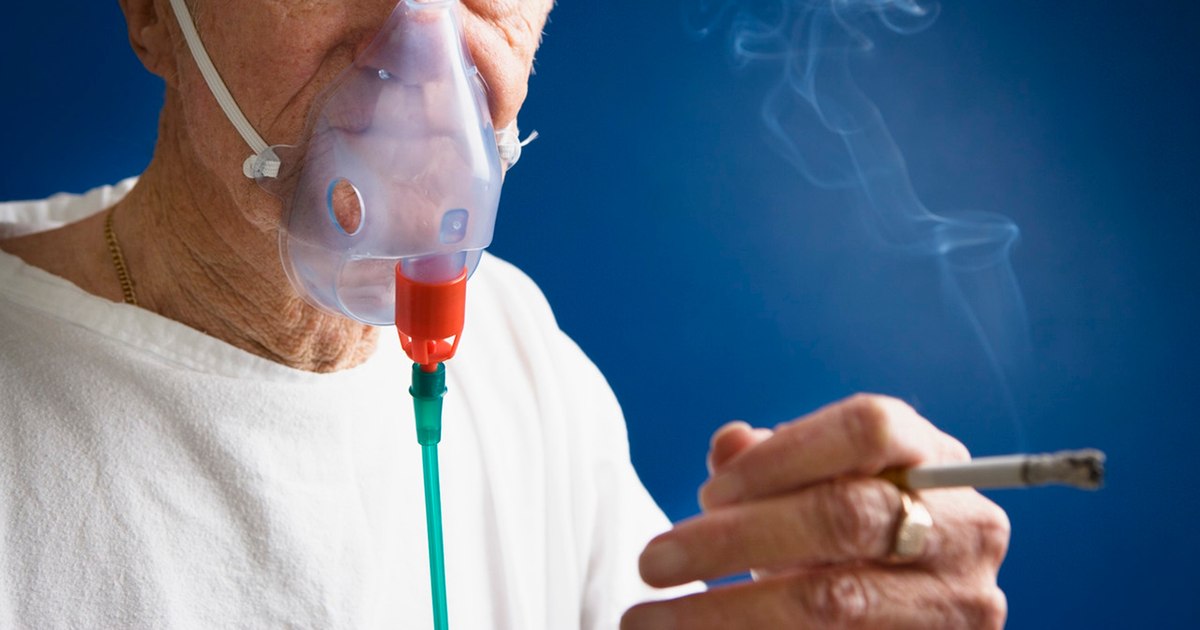
Smoking is known for its health risks, such as cardiovascular and pulmonary diseases, but a new study shows that it also increases the risk of type 2 diabetes. This discovery highlights an important connection between tobacco consumption and the appearance of diabetes, emphasizing the need for effective prevention measures.

Smoking increases the risk of type 2 diabetes according to new photo you who have Everywhere
If you are a consumer of tobacco, quitting smoking and adopting healthy habits can significantly reduce the risk of diabetes. About 20% of Americans use tobacco products, this being one of the main causes of disease and preventable death in the United States.
It is already known that smoking increases the risk of cancer, lung disease and cardiovascular disease, and smoke -free tobacco increases the risk of oral, esophageal and pancreatic cancer. Now there is clear evidence that smoking favors the appearance of type 2 diabetes.
But what happens when smoking is associated with regular alcohol consumption? Increases this combination of the risk even more? Excessive alcohol consumption has been related to the onset of chronic diseases, but its exact relationship with diabetes is not fully clarified.
To answer this question, researchers from Spain and France have analyzed separately and combined the effects of smoking and alcohol consumption on the risk of type 2 diabetes. The results of the study were published in American Journal of Preventive Medicine. Here's what they discovered.
Nutrinet-Santé study methodology for the risk of type 2 diabetes
The researchers used data from a broad and continuous French study, called Nutrinet-Santé, started in 2009 and continues to recruit participants. For this study, they analyzed information from over 110,000 people, of which 79% women, with an average age of 43 years. Each participant was monitored, on average, for 7.5 years.
The participants completed several online questionnaires, which targeted the diet, but also physical activity, demographic data and lifestyle, including smoking and alcohol consumption. For alcohol, the answers were divided into categories as less than two or at least two servings per day, respectively less than 10 or at least 10 servings per week; Subsequently, this information was transformed into grams of ethanol consumed daily.
For smoking, the options have included whether the participant has ever smoked, if they are smoking today or if he has been a smoker in the past. If they were current or former smokers, the questionnaire evaluated how many cigarettes they would smoke daily. Based on this data, the researchers grouped participants according to their smoking status and alcohol consumption, analyzing the combined effects of intense smoking (at least 20 cigarettes per day) and high alcohol consumption (over 8 servings per week and over 15 servings per week for men).
Regarding type 2 diabetes, the participants were asked to report any medical events, treatments or hospitalizations through an annual questionnaire on health. They could also transmit health information at any time, through a dedicated online platform. In addition, the researchers collected data from the national health insurance system.
Results: smoking, alcohol and risk of type 2 diabetes
After analyzing the data, the researchers did not find a significant connection between alcohol consumption and the risk of type 2.
However, the study showed that people who have smoked in the past or smoke today have a 36% higher risk of developing type 2 diabetes, compared to those who have never smoked. In addition, those who smoke intense have a risk of more than twice as much as occasional or moderate smokers.
The study also has some important limitations. First of all, most participants were women, of which only 6% exceeded the recommended limit for alcohol consumption. This means that the sample may not have been diversified enough to achieve accurate alcohol and diabetes. Also, the consumption of alcohol reported by the participants is often underestimated.
The researchers also mention that the incidence of type 2 diabetes could be undervalued in this study compared to the general population in France.
Alcohol, smoking and daily habits in the risk of diabetes
Although this study has not found a strong connection between alcohol and diabetes, it is known that alcohol comes with other important risks. For example, alcohol was associated with the risk of cancer and brain damage. It can also contribute to chronic inflammation, which in turn increases the risk for chronic diseases.
The authors of the study observed that people in Mediterranean countries, such as those included in research, tend to consume alcohol with tables. They also mentioned previous studies that showed a low risk of diabetes when alcohol, especially wine, is moderately consumed. This could be one of the reasons why a clear connection was not found in this study. However, the disadvantages of alcohol consumption exceed any potential health benefit.
Regarding smoking, the results of this study confirm the conclusions of previous research. The authors believe that smoking can increase the risk of diabetes due to the effects of nicotine on the mucosa of blood vessels and stimulating the sympathetic nervous system. This stimulation determines the increase in cortisol level (stress hormone) and growth hormone secretion, which leads to insulin resistance, triglyceride growth and decreased HDL cholesterol (“Good cholesterol”). All these factors are associated with an increased risk of type 2 diabetes.
In addition to smoking, it is known that other life habits can increase the risk of diabetes, such as a diet high in added sugars and saturated fats, lack of physical activity and insufficient quality or poor quality. The solution for these habits is to adopt a nutrient -rich diet, move more often (including strength exercises) and have a restful sleep, by improving sleep habits. It is also important to keep yourself well hydrated, because dehydration can increase the level of blood sugar.
How to reduce the risk of diabetes by healthy habits
This study shows that smoking significantly increases the risk of diabetes. Current smokers, especially those who smoke a lot, have the highest risk, but even former smokers are at increased risk. If you are smoking today and you want to leave yourself, seek support if you feel it is hard for you to succeed.
Whether you smoke, smoked or never smoked, adopting healthy habits – such as regular physical activity, restful sleep and diversified diet, based on integral and nutritional foods – will help you to reduce the risk of diabetes.