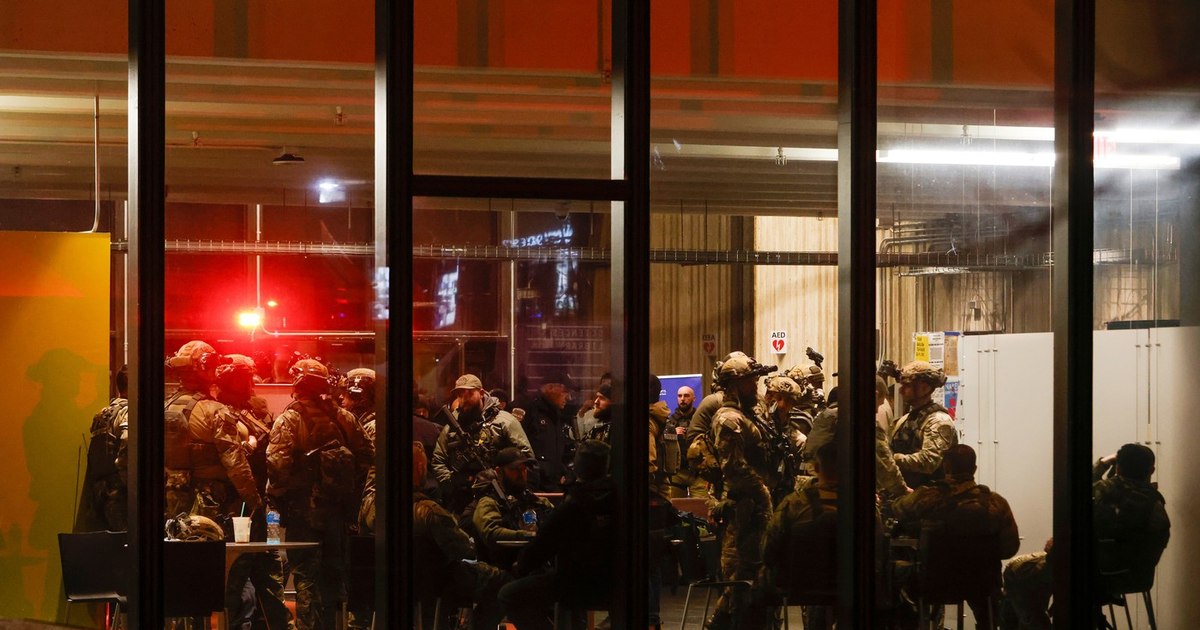
This is how the EU is preparing for the worst. The four-point plan aims to protect Europe


The focus is on improving air defense and strengthening the protection of approximately 5,000 people. km of the eastern border with Russia – from Finland to Greece.
Diplomats in Brussels and member state capitals initially feared that EU and NATO arms initiatives might interfere with each other and lead to unnecessary friction. However, these fears seem largely unfounded. Both organizations agreed to cooperate closely and share tasks.
In the case of the planned so-called drone wall The EU will support financing and procurement, while NATO will decide on the most appropriate drone systems and have operational command over their use. “The latest threats have shown that Europe is in danger” – said the President of the European Commission, Ursula von der Leyen. Intelligence services assume that by 2030 at the latest. Russia will be able to start another war militarily.
— Putin will probably test NATO only after the war in Ukraine ends. Only then will the truly dangerous phase come. Moscow's attention is now clearly focused on Ukraine. The longer the war in Ukraine lasts, the longer it will probably take before the West will have to take into account an attack by Russian armed forces, one of the NATO generals tells Die Welt.
In any case, Europeans want to be prepared. Even though all EU countries realize that deterring and defending against Russia will continue to be only possible with American support, they want at least in some areas become independent from Washington. US President Donald Trump also expects the same.
The article continues below the video
“The threat will not disappear”
“Defense is a necessary condition for maintaining peace. Europe's defense is not yet as strong as it could be,” said Kaja Kallas, the Union's high representative for foreign affairs and security policy. “Our armed forces must be able to anticipate all types of crises and effectively counter them. Russia is not currently able to attack the EU, but it can prepare for it in the coming years. The threat will not disappear even after the end of the war.”
Part of the European Parliament has already agreed to new armament plans, but there have also been some first warnings. “It must be clear that there will be no new bureaucracy,” said Niclas Herbst, spokesman for defense policy of EU members in Parliament. According to a defense expert, it is important closer cooperation European on arms issues. “But you can't rigidly impose common procurement goals and centralized large projects,” says Herbst.
This raises a sensitive issue that, despite the serious threat from Russia and all the mutual promises to reduce costs and increase efficiency in the procurement of military equipment, may still be a problem. In recent decades, the European Union has repeatedly shown that it is unable to overcome national egoisms and excessive bureaucracy in the development and production of weapons. In this context, France is considered particularly problematic.
What exactly do the new EU arms projects, referred to as “lighthouses” by the Commission, look like? First of all: the EU wants to create a functioning one system for monitoring and effective protection of the eastern flank (Eastern Flank Watch). This is not only about air defense, but also about better defense capabilities on land and sea, up to combating the so-called hybrid threats or the Russian “shadow fleet” that illegally exports oil from Russia.
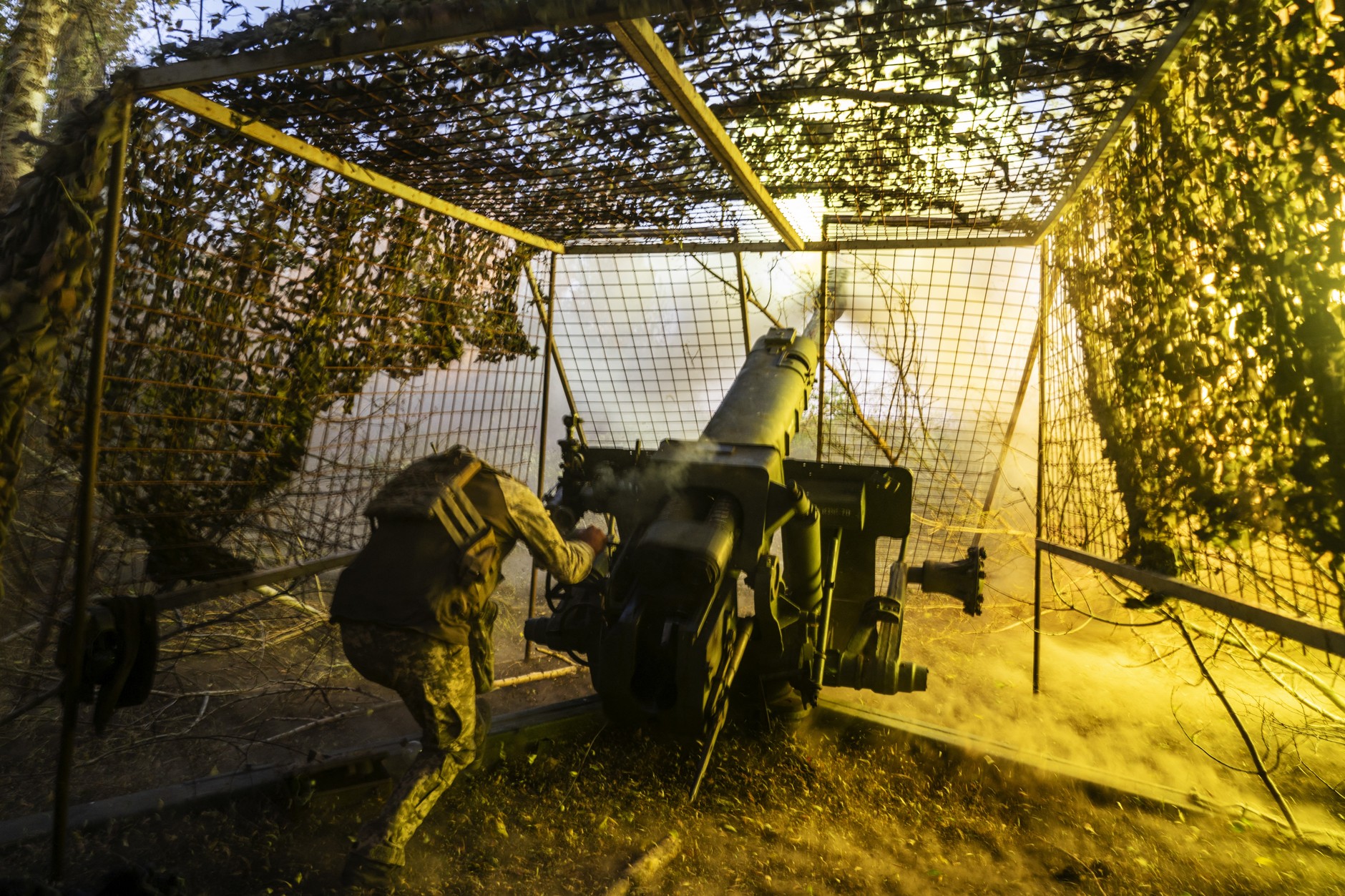
Military operations in Ukraine, Kharkov, October 2025 (illustrative photo)JOSE COLON / AFP
Four points
Simply put: bigger and much better weapons are needed at all levels than before. This will require new investments of billions of euros. The new eastern flank monitoring system is expected to be fully operational by the end of 2028 – an ambitious goal.
Secondly: the creation of a European European Drone Defense Initiativethanks to which enemy drones will be detected on time, tracked and, if necessary, eliminated. This initiative is intended to protect not only the eastern flank, but the entire EU.
Thirdly: multi-level air defense system (European Air Shield)connected in a network covering several countries and working seamlessly with the NATO command and control system. Fourth: defensive shield for outer space (European Space Shield)which will protect European satellites and provide real-time reconnaissance data.
To implement these projects, in accordance with the will of the European Commission, several countries are to unite into nine “capability coalitions”. They will cover specific thematic areas. German Defense Minister Boris Pistorius has already proposed that Germany take over the leadership in air defense. Other topic areas include drones and drone defense, electronic warfare and military mobility.
According to Brussels sources, the new EU arms program is expected to cost several hundred billion euros. Member States have to cover part of this amount from their own budgets, but in addition there are various funding programs from Brussels, such as Safe or Edip.