Germany wants to quickly expand its anti-bomb bunkers, for fear of an attack on Russia. “Make provisions for 10 days”

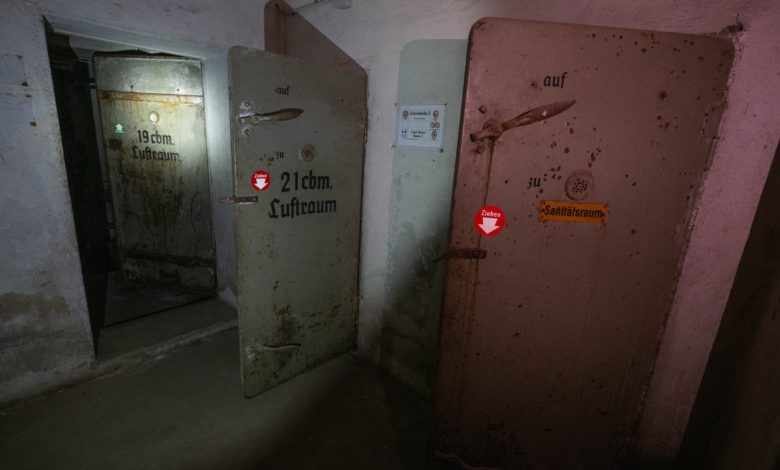
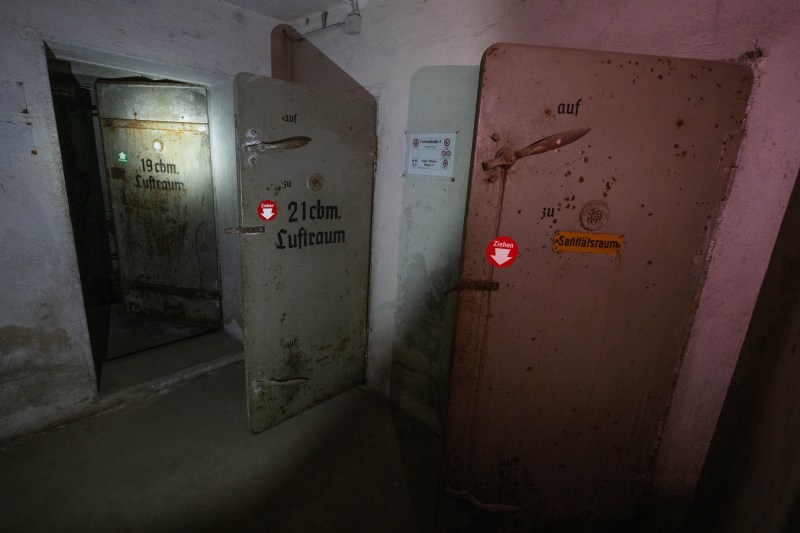
Bunker in Frankfurt during World War II. Credit Line: Boris Roessler / DPA / Profimedia
Germany develops plans for rapid expansion of its bomb bomb resistant network, the highest government official said in the field of civil protection, warning that the state must be prepared for an attack from Russia in the next four years, The Guardian reports.
Ralph Tiesler, the head of the Federal Civil Protection and Assistance Office (BBK), says that the largest economy of Europe must be aware of the “reality of the conflict” and that, in the present state, Germany is not adequately prepared.
“We are worried about the risk of a major war of aggression in Europe,” he told Süddeutsche Zeitung.
The official has requested a national effort to identify and transform the tunnels, subway stations, underground garages, parking and basements of public buildings into shelters with the ability to host one million people.
He said his agency will present a comprehensive plan in this regard at the end of the summer.
Of the approximately 2,000 bunkers and protective spaces remaining from the Cold War, only about 580 are functional, and most require millions of euros renovations.
They could shelter about 480,000 people – only half a percentage of the German population.
In comparison, Finland has 50,000 protective cameras, which means space for 4.8 million people – or 85% of its population.
Call to citizens
Tiesler has estimated that at least 10 billion euros will be needed in the next four years to cover civil defense needs and at least 30 billion euros in the next decade.
He also requested the establishment of a compulsory or voluntary civil protection service and urged citizens to contribute to increasing the resilience of the country by storing emergency supplies in the case of electricity and water interruptions.
“Our call is: accumulate enough supplies for 10 days, if possible. But even a supply for at least 72 hours would be of great help. This can be used to cover the minor interruptions in everyday life,” Tiesler said.