The Albert supermarket network started in Poland in 1994. Its owner was the Dutch company Koninklijke Ahold NV. Until 2006, 183 Albert stores were established. As in the case of hypernov hypermarkets, the network hit the hands of Carrefour. Decided on Transformation of Alberts to Carrefour Market or Carrefour Express stores.
The Alma Delicatessen Network was founded in the 1990s by Alma Market, which since 1994 was listed on the WSE, then under the name Krakchemia. Its main shareholder was Jerzy Mazgaj. At the end of 2006, the Alma network consisted of five stores, located primarily in the south of Poland. Then there was development – by mid -2016. The number of branches under the Alma banner increased to 49, and the company also ran the Kraków Kredens brand stores. At that time, the financial problems of the companies began, which was caused by, among others Strong competition from discount stores. Some stores were also permanently unprofitable. In September 2016, the company's request was submitted to the court to start the sanation proceedings, and then the official application for liquidation bankruptcy. Shops were closed. Currently Under the Alma banner there is one supermarket in Krakow, but belonging to another company – Alma Kraków.
Bill-1990-2001
|
Adrian Slazok / Reporter / East News
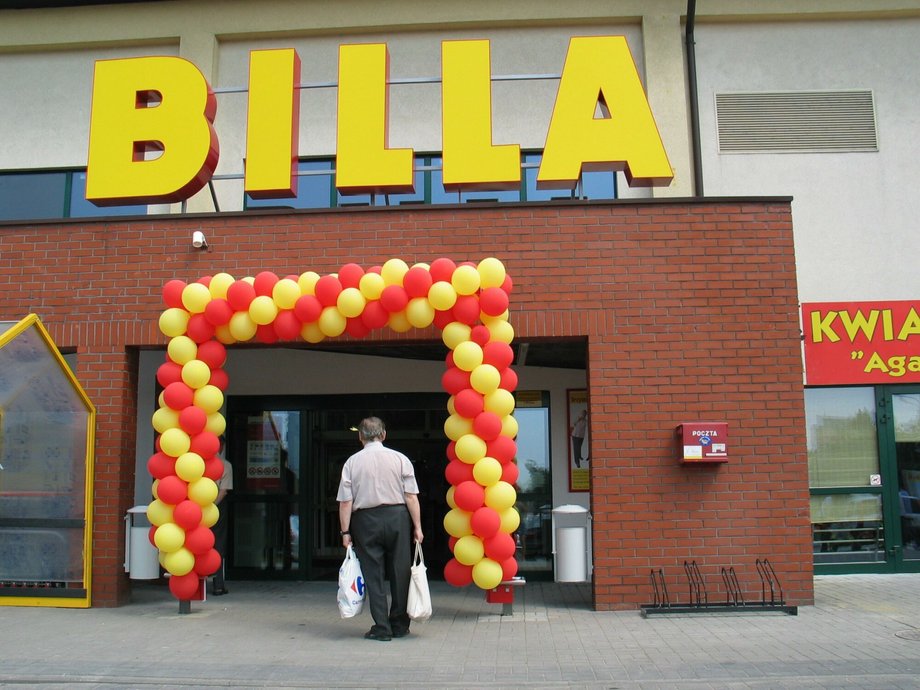
In 1990, the West Breeze brought Bill to Poland. It was the first Western supermarket on the Vistula, which belonged to the Austrian Euro-Billa group. The first store was opened in 1990 in Warsaw, the next ones were created in other large Polish cities. In 2001, French Auchan became the owner of the network, who changed its name to Elea. Then these stores changed its name to Simply Market, and in 2017 Auchan Supermarketam finally became.
Bomi-1995-2013
|
Rafał Malko / Agencja Gazeta
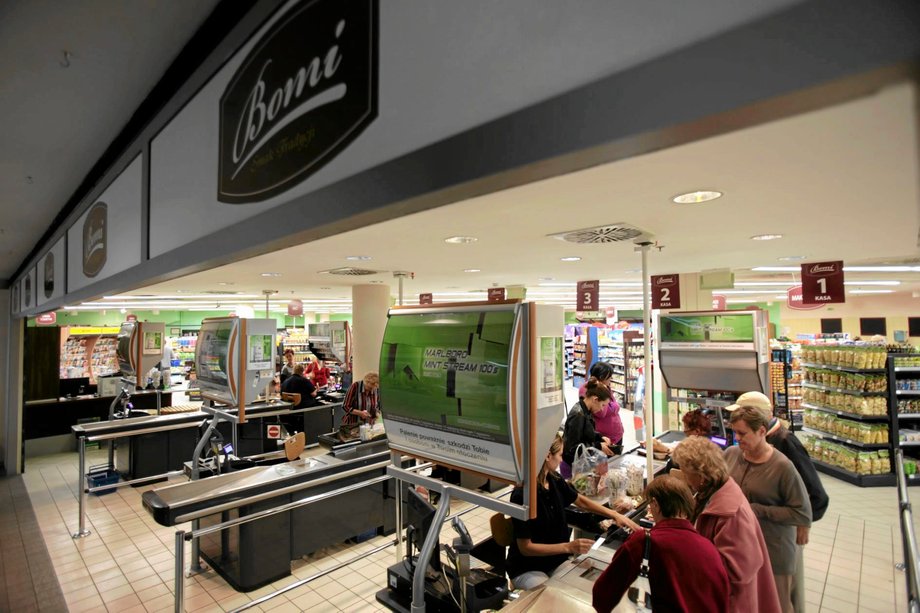
The Bomi Delicatessen Network was founded in 1995. The company's headquarters was in Gdynia, and the first chain store was created there. Bomi used the demand for supermarkets with high -end products. In Warsaw, Bomi debuted in 1999, and also appeared in other large cities, competing with other delicatessen networks – Alma and Piotr and Paweł. The company's problems began in 2012, then the company filed for arrangement bankruptcy, in 2013 the court changed it into liquidation. All Bomi delicatessen was closed in 2013. Alma took over the location.
Geant-1995-2006
|
W. Górski / East News
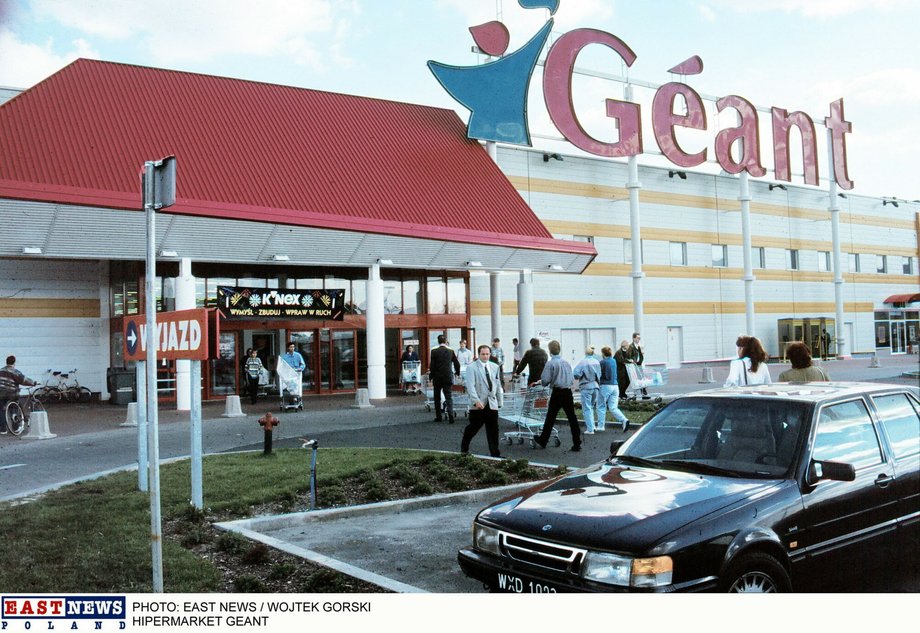
The French network of Geant hypermarkets, belonging to Casino, entered Poland in 1995, starting the expansion from Warsaw. Shops were created in the largest Polish cities, usually in accompanying shopping malls of various sizes. In addition to branded products, she offered the Leader Price own brand articles. Financial problems prompted the French to leave Poland. In 2006, she sold 19 hypermarkets and locations for new stores to the owner of Real hypermarketswho made them into its network.
Hit-1993-2002
|
Sławomir Kamiński / Agencja Gazeta
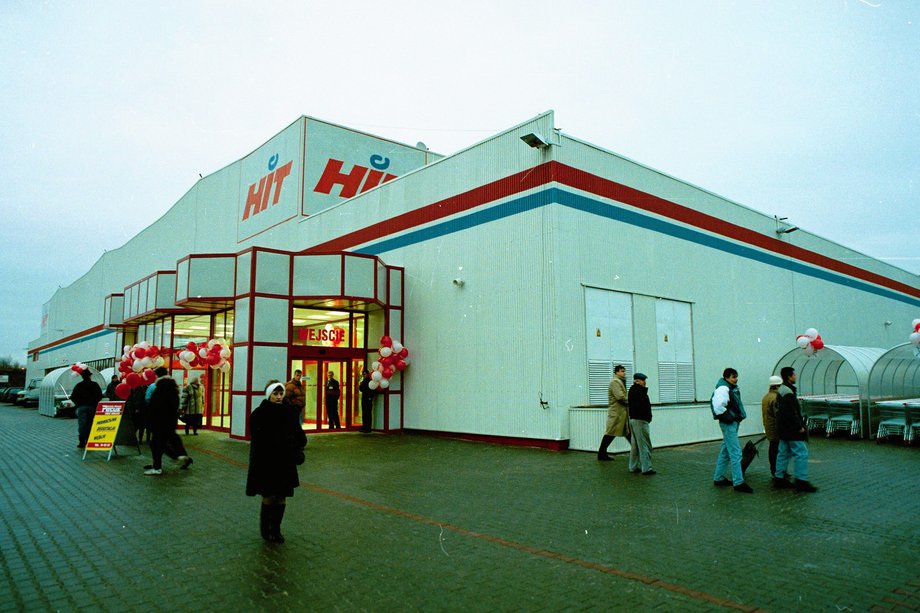
The first foreign network of hypermarkets in Poland was the German hit, which entered Warsaw in 1993. The German company Dohle in large cities built 13 stores, but quickly decided to leave our country. Hypermarkets (15 in total, because two were under construction) was sold to the British company Tesco, which significantly improved its position on the Polish market. Interestingly, Hit chain stores had a different arrangement than the facilities of other hypermarket chains operating in Poland. They were narrower, but longer deep, having three rack lines. The cash registers were arranged in two lines. Today, such a system has survived in some Tesco stores that have not been rebuilt.
Hypernova – 1998–2007
|
Krzysztof Szatkowski / Agencja Gazeta
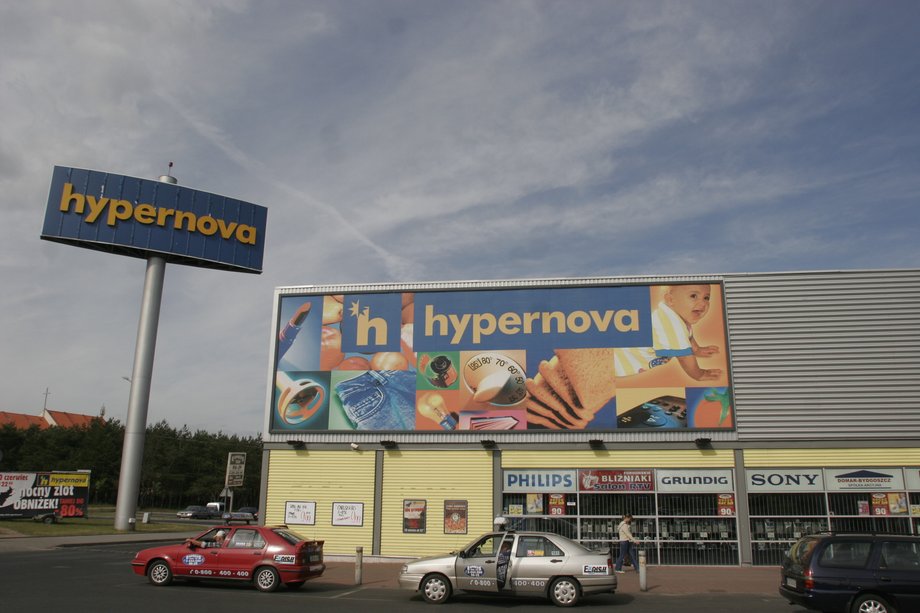
In the mid -1990s, two hypermarkets were created in Poland under the name Allkauf, which was owned by the Holder Ahold and German Allkauf. In 1998, the Dutch took total control over the company, changing their name to Hypernova. Then more hypermarkets were created under the name Hypernova, reaching up to 27 stores. Ahold also took over five Jumbo hypermarkets. The company's troubles meant that she began to sell stores. In 2003, the first two hypermarkets were sold to Carrefour, and two years later – 13 more, while one went to the Real network. Some stores were closed, and in 2007 the remaining 15 hypermarkets were also taken over by the French company. It was the end of the Hypernova brand in Poland, because All stores changed their name to Carrefour.
Jumbo-1999-2002
|
Malgorzata Kujawka / Agencja Gazeta
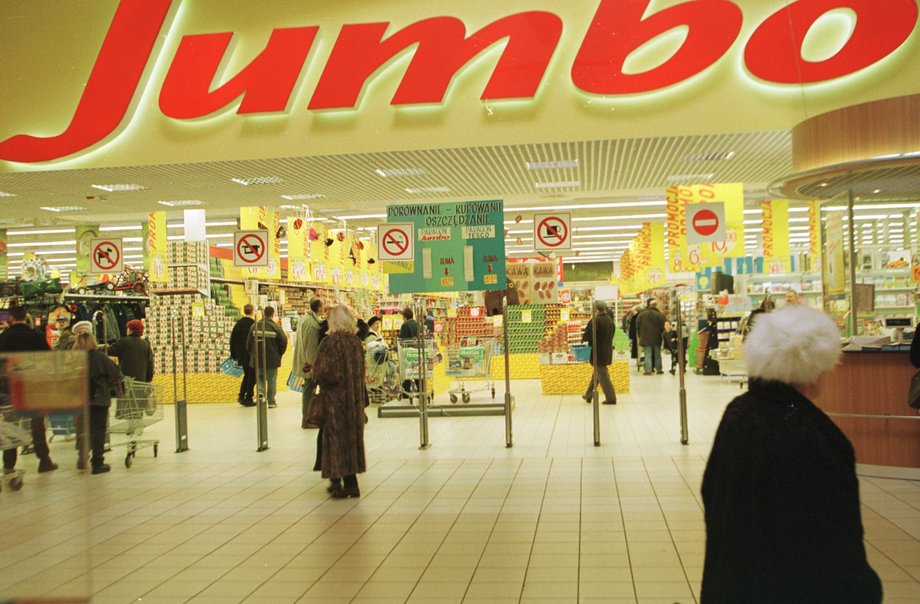
Few people remember that the company Jeronimo Martins Polska, the owner of Biedronka, had hypermarkets in Poland in the past. They were Jumbo stores located in Poznań, Łódź and Bydgoszcz. In 2002, however, the Portuguese decided to sell five hypermarkets. Reason? They wanted to focus on their flagship brand – Biedronka. Jumbo hypermarkets were bought by Koninklijke Ahold NV, the owner of the Albert and Hypernova stores. It was to this last chain that Jumbo stores joined after changing the name.
Leader Price-2000-2007
|
Agency Gazeta
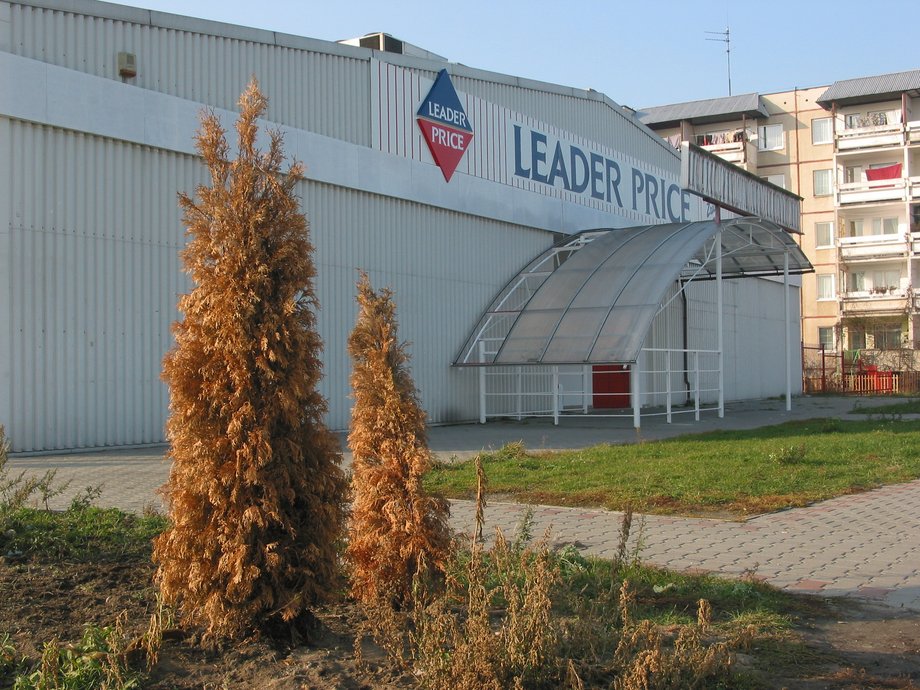
The French company Casino also ran in Poland a leader price supermarket network, which was based on the sale of own brand products under the same name, also available in Geant stores. The network started in our country 2001, opening a total of 220 stores. In 2006, 145 Leader Price stores took over Tesco paying EUR 105 million for them. The acquired facilities changed the name to Tesco, They offered articles known from this network, and Leader Price products have disappeared from Poland. Stores not liked by Tesco went to other retail chains.
Marcpol – 1991–2016
|
Jacek Rajkowski / Reporter / East News
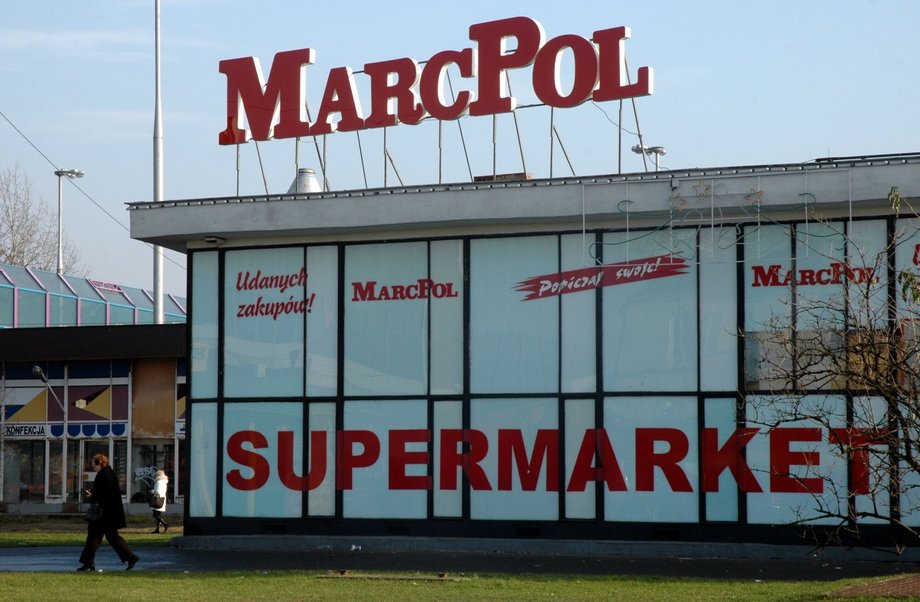
The first supermarket of the Polish Marcpol chain was founded in 1991 in Warsaw. In 1992, a supermarket was opened, which was located in the famous tin at Defilad Square. In addition to Warsaw, Marcpola stores also appeared, among others in Radom. Interestingly, the network also has foreign expansion, because Marcpol once had nine stores in Moscow. Marcpol stores began to disappear from the market in 2016.
Minimal-1996-2006
|
Lech Gawuc / Reporter / East News
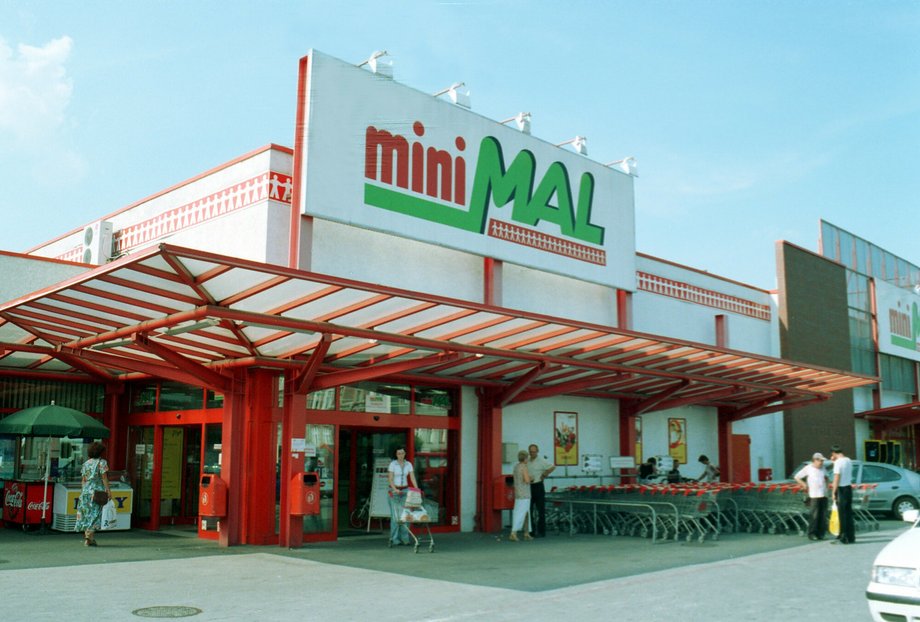
The Network of Small Hypermarket Minimal belonged to the Austrian company Euro-Billa, which was also the owner of the Bill supermarket chain. The first store started in 1996 in Konin. In the following years, 25 branches were established in Poland in 2006. It was decided that they would operate under the reactivated Bill brand. Three years later, the shops were taken over by the French E.Leclerc network.
Piotr and Paweł-1990-2021
|
Arkadiusz Ziolek / East News
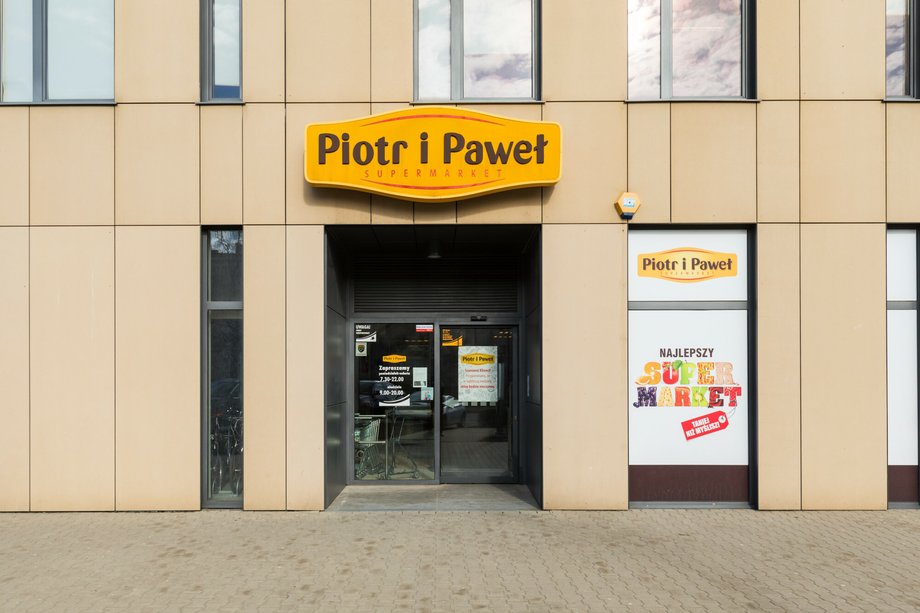
The first store Piotr and Paweł was founded in 1990 in Poznań. It was not a large -scale supermarket yet, but a small store. Its founders were Eleonora Woś and her sons Piotr and Paweł – from their names the network gained the name. In 1991, the first 300 sq m supermarket started quickly became one of the most popular stores in Poznań. The network gradually entered the next cities, opening stores mainly in shopping centers. She competed in the delicatessen segment with Bomi and Alma. When these networks disappeared from the market, it took over some of their fingers. The number of stores under the banner of Piotr and Paweł has grown to about 140, but many of them were not profitable. The company fell into debts and sanation proceedings began. Ultimately in 2019 The company was sold for the symbolic 1 euro to the Dutch company Spar Group. Many stores Piotr and Paweł were closed, the others changed the signboard to Spar or Euroskar. The network rebranding ended in October 2021.
Plus-1995-2008
|
Lech Gawuc / Reporter / East News
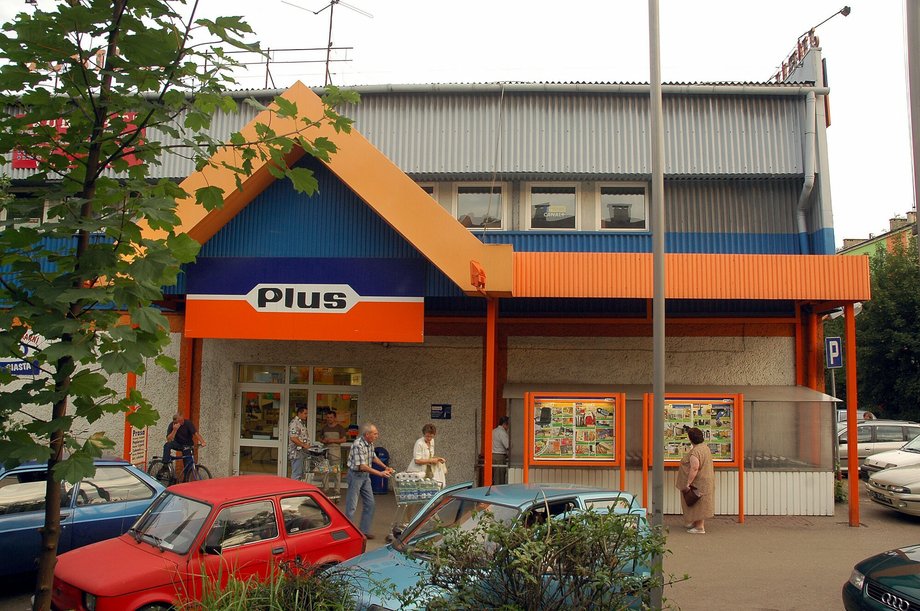
Plus Discount was one of the first discount chains in Poland. She belonged to the German commercial giant – the Tengelmann group, currently the owner of the OBI construction supermarkets and KIK clothing discount stores. The first Plus store started in 1995 in Dąbrowa Górnicza. The network has gained popularity thanks to their own brands from Germany. After Jeronimo Martins Polska Biedronka grew in strength, Tengelmann decided to sell her all 172 Plus stores. This took place in 2008, and the acquired stores changed its name to Biedronka. Plus discount stores also operated in other markets, including in the Czech Republic, Greece, Hungary, Spain and Portugal, where they were also sold to other commercial networks.
Real 1997-2016
|
Jacek Rajkowski / Reporter / East News
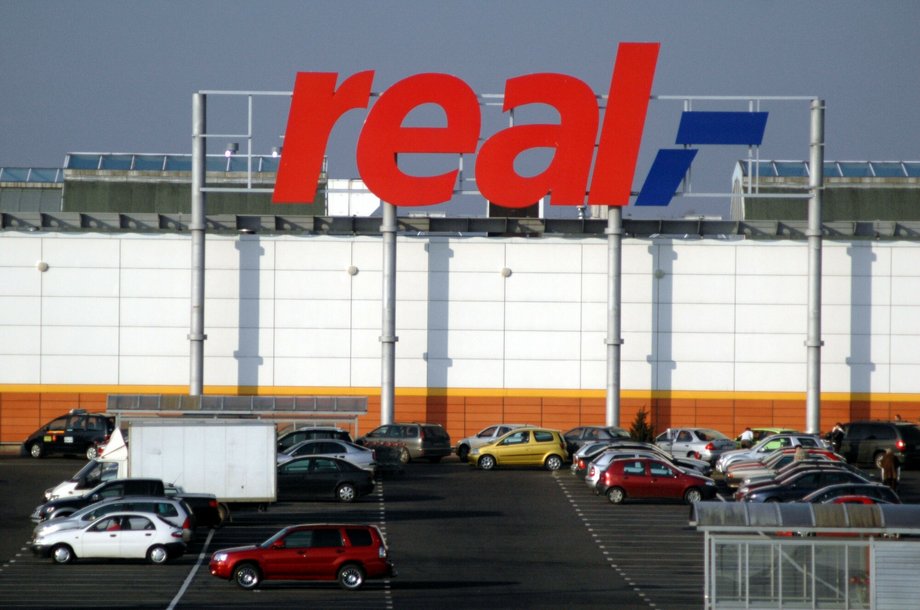
The first hypermarket of the German Real chain was opened in Poland in 1997 in Szczecin. Then the network opened more stores, some of them appeared in M1 shopping centers, belonging like Real to Metro AG. She sold in them, among others Products under your own TIP brand (cheap and certain). In 2016 Real took over the GEANT hypermarket network. For financial reasons, however, Metro AG decided to sell its assets. In 2012, Polish Real chain stores were bought by the French Auchan. The transaction was finalized in 2014. Within a few years, the new owner rebranded stores, significantly enlarging his hypermarket network. According to the decision of the UOKiK, Some Real hypermarkets, however, had to be sold to another buyer who changed them into BI1 stores.
Rema 1000-1993-2003
|
Sławomir Mielnik / Agencja Gazeta
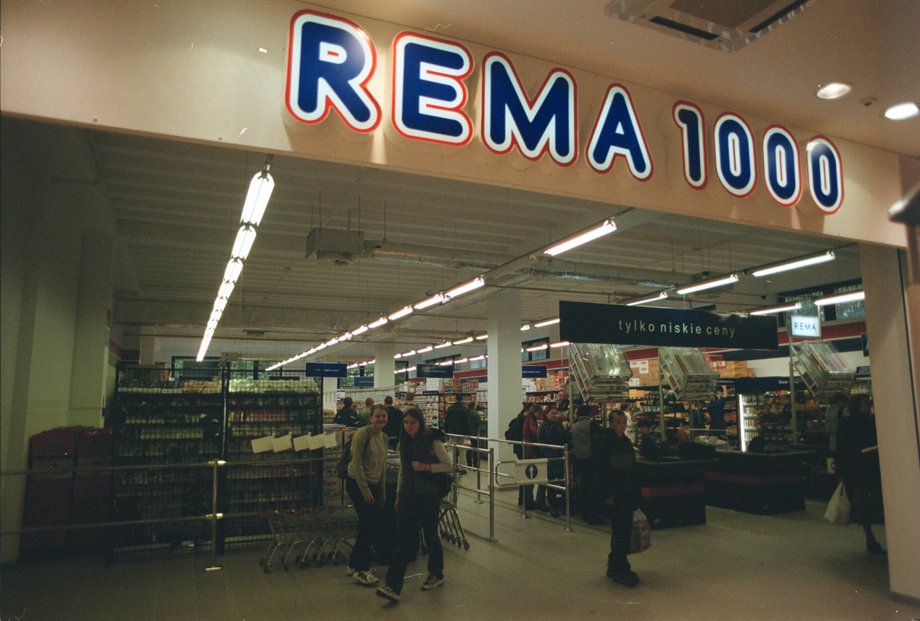
Rema 1000 is a Norwegian supermarket network belonging to the Reitan Group, which entered the Polish market in 1993. A decade later, the Norwegians decided to leave our country. The network hit the hands of the American Food Emporium, which sold 16 stores to Jeronimo Martins Polska. They transformed Rema 1000 outlets into Biedronka discount stores.
Tesco-1998-2021
|
Piotr Wykarki / Shutterstock
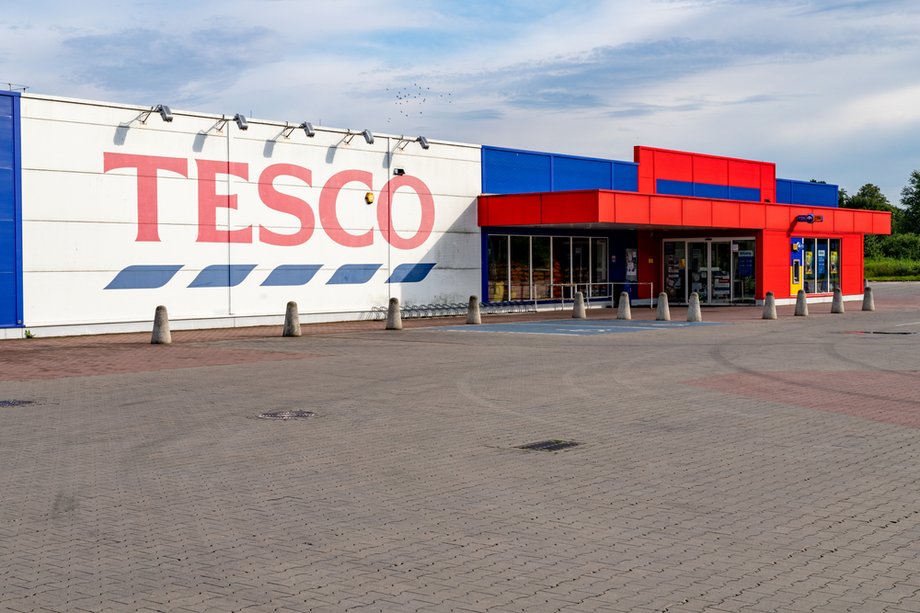
The beginning of the Tesco investment in Poland is 1995. Then the British for about PLN 54 million were bought by three local supermarket chains: Minor, Madex and Savia. The first Tesco hypermarket was opened three years later – it was a shop in Bielany near Wrocław. The chain set more large stores, and in 2002 took over the stores of the Hit chain, which withdrew from Poland. Five years later, Tesco bought most Leader Price supermarkets. In the last decade, the network has got into trouble. Sales in stores stopped growing, which was due to the offensive of discount stores or a change in the policy of buying an assortment. Tesco began to close the stores. In 2021, the Polish Business Tesco was bought by a Danish owner of the net discount network. The vast majority of stores under the British banner changed or change the sign to net. Some facilities, especially the largest ones, were taken over by other retail chains, and some stores were closed. The last stores with the Tesco logo stopped operating on October 27, 2021.
Note from the publisher: The above text was originally published in June 2021.