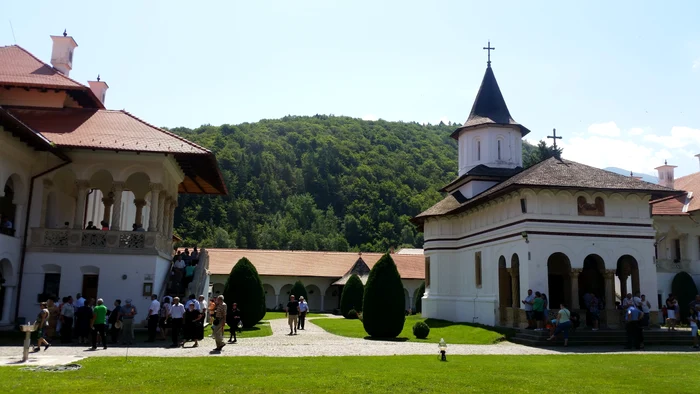
Nicușor Dan explains why he chose Saturday from Sus instead of the Marine Day. The monastery is associated with non -elegance manifestations

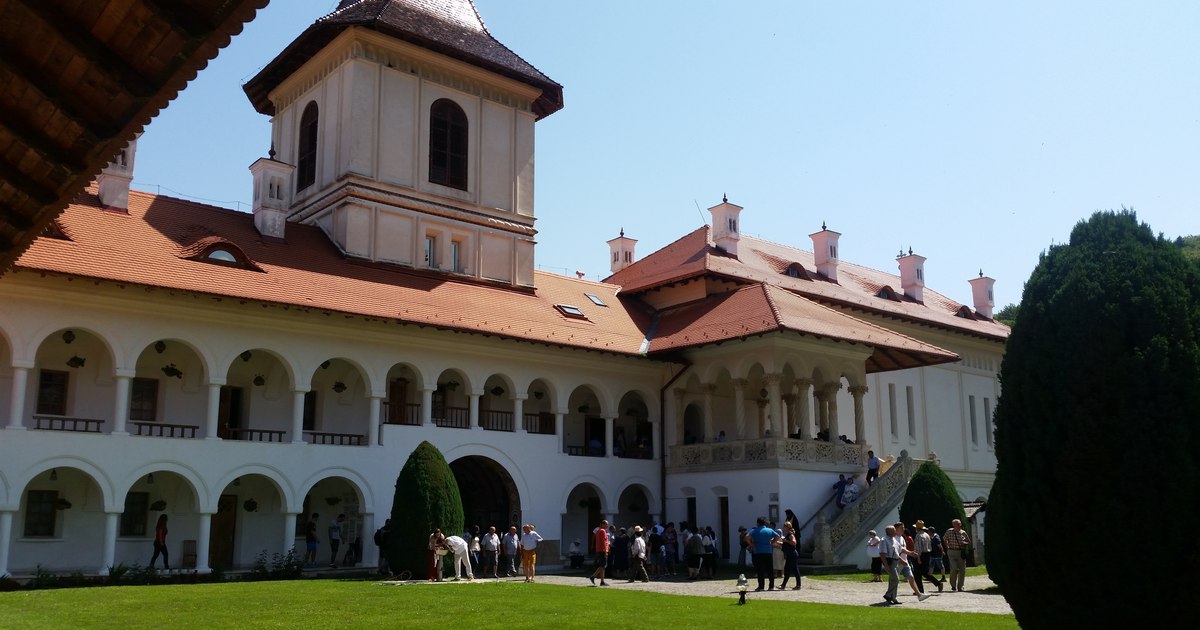
The decision of President Nicușor Dan to be missing from the navy day celebrations to participate in the dedication of the Sâmbăta de Sus monastery has aroused discussions in the public space. The head of state justified his choice through the religious significance of the day, saying that he had come there since childhood.
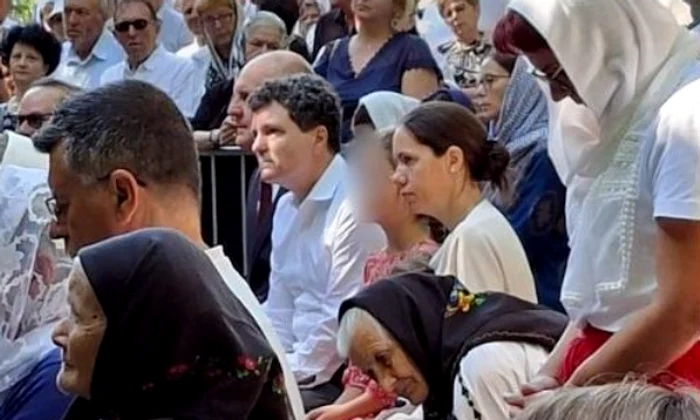
Nicușor Dan participated in the service of the dedication of the Sâmbăta de Sus Photo: Facebook
On August 15, Romania celebrates the Navy Day, but this date also marks one of the most important Christian-Orthodox holidays: the Assumption of the Virgin, declared a free day. Nicușor Dan was surprised, together with his wife and children, participating in the service of the dedication of the Sâmbăta de Sus monastery, located at the foot of Făgăraș.
Asked why he chose not to participate in festivities, the head of state explained: “It's a very big religious holiday, everyone comes to church. Here, at the monastery, I was coming with my parents, childhood here. I chose to come here. It was exciting, in recent years I have not arrived, there were many people I saw as then. I didn't want to announce to come to the press after me; On the contrary, I wanted to be as close to the community as possible and, including, I stayed in the job to participate personally, intimately”, Said Nicușor Dan, for Antena 3 CNN.
Nicușor Dan's choice reminds of the precedent of former President Traian Basescu, who, in 2010, was missing from the Navy Day festivities to participate in religious ceremonies at the Putna Monastery, in Bukovina. As in the present case, Basescu has sent an official Marine Day message through the presidential counselor.
The context of the monastery and the legionary controversy
The Sâmbăta de Sus monastery is known not only as a religious place, but also as a symbolic place for certain non -elegance foundations. The “Gavrilă Ogoranu” Foundation has been organizing dedicated meetings annually “anti -communist fighters“From the Făgărașului Mountains”, and the events are associated with other non -elegance groups, such as the Romanian identity community. They publish prayers for people convicted according to the anti-extremism law and are photographed to such events, often with blurred faces.
The Sâmbăta de Sus monastery itself is an Orthodox place of worship, being the main objective for tourists coming to Făgăraş, and does not appear as a direct organizer of these events. The cross from the monastery is a symbol place for these groups, being used as a profile image on the Facebook page of the Ogoranu Foundation.
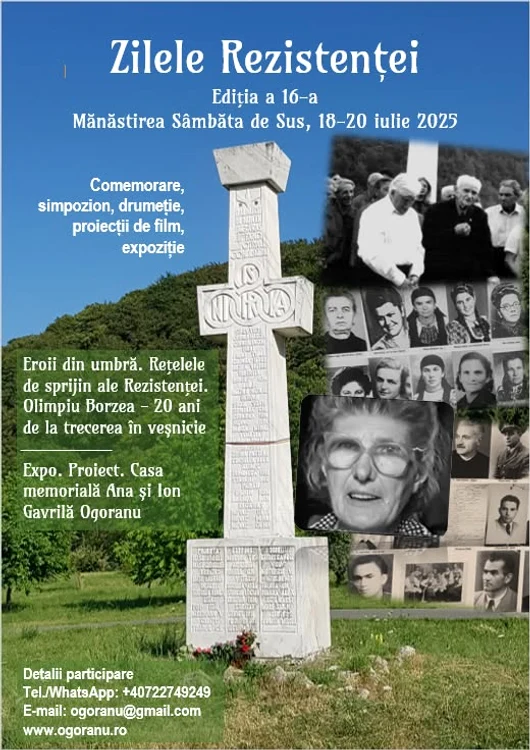
Florin Dobrescu, the secretary of the “Gavrilă Ogoranu” Foundation, is the coordinator of these commemorations, which also include meetings in Paris with Russian neo -French organizations, according to context.ro. The foundation is in close connections with the “Gogu Puii and Haiducii Dobrogei” Association, associated with Eugen Sechila, the agiotic of former candidate Călin Georgescu.
The controversy is amplified by the recent position of Nicușor Dan, which firmly opposed the strengthening of the anti-extremism law, stating: “The law says that if you make a legionary organization you have to do prison. I think no. I think it is legitimate to make an organization that promotes the anti -communist resistance in the Făgăraș Mountains ”. Initially, Dan sent the law to the Constitutional Court, but although the judges confirmed its constitutionality, the president announced that he will resubmit the law to Parliament.
The president's decisions have aroused international reactions, Jewish organizations asking them to approve the law and continue the fight against extremism and anti-Semitism. In the defense of Nicușor Dan intervened MEP Claudiu Late, co-founder gold, who accused “Pressure and intimidation” on the president and “An unprecedented aggression“At the presidential institution.
Initially a wooden church, the Brâncoveanu Monastery from Sâmbăta de Sus was founded by Constantin Brâncoveanu. The monastery has two dedications dedicated to the Virgin Mary. One in the first Friday after the Holy Easter, by the “Spring of the Healing”, and another one of the Assumption of the Virgin. The monastery survived the enemies of Orthodoxy, being completely destroyed in 1785.