
Major discovery: five new genetic risk factors for cervical cancer, identified in an international study

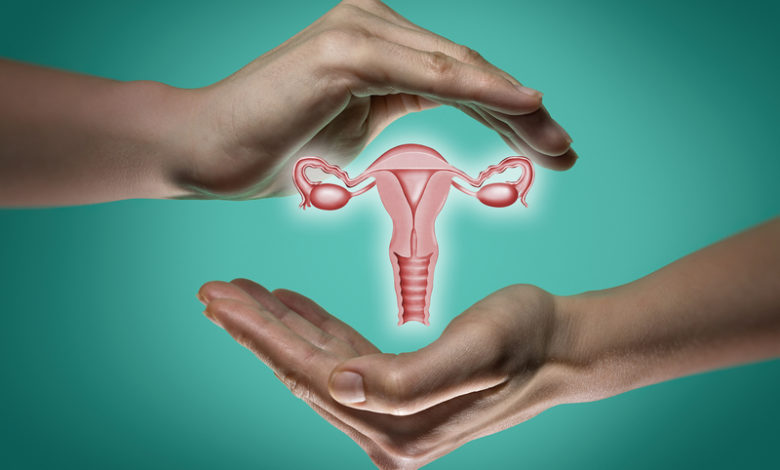
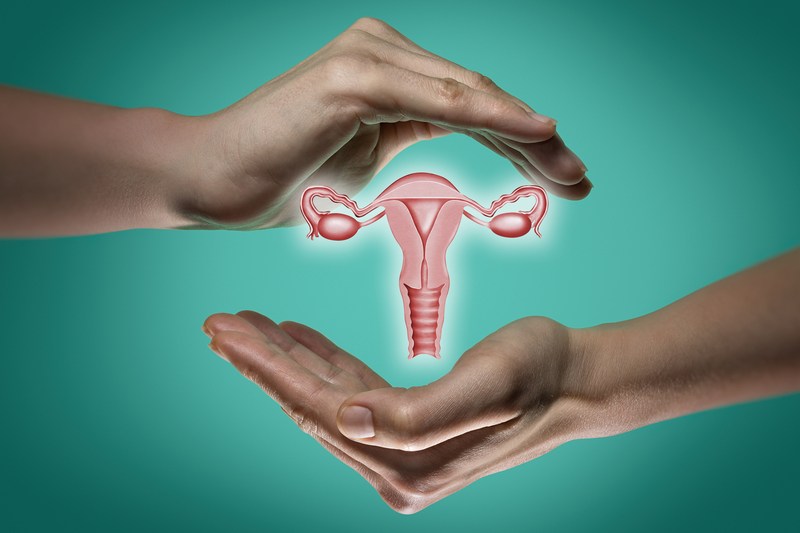
Cervical cancer. Photo: © Anton Skavronskiy | Dreamstime.com
Endometrial (uterine) cancer, a common form of gynecological cancer, affects hundreds of thousands of women around the world every year, and its genetic causes remain partially unknown. In an international effort to better understand the mechanisms underlying this disease, the researchers have identified new genetic risk factors that could contribute to the appearance of tumors in the uterine mucosa, notes News.ro.
Endometrial cancer, also known as neoplasm of the uterine mucosa, is one of the most common forms of gynecological cancer and refers to an abnormal growth in the endometrium, the mucosa lining the inside of the uterus.
Worldwide, this malignancy affects about 400,000 women annually, of which about 100,000 lose their lives because of this condition.
An international study, coordinated by Hannover Medical School (MHH) in Germany, analyzed genomic data from national biobanks worldwide and identified new genetic risk factors involved in the development of tumors in the uterine mucosa.
Known risk factors include obesity, diabetes and high levels of estrogen sexual hormone, and the risk of uterine cancer increases with age.
But around 5% of cases are based on a genetic predisposition: gene mutations that increase the risk of cancer and are characteristic of hereditary syndromes, such as Lynch syndrome or Cowden syndrome. However, much of the genetic causes remain unknown.
Now, the international study has discovered five new genetic predispositions for endometrial cancer.
The research team collected genetic data from national biobanks in various countries and compared the appearance of genetic changes in over 17,000 patients with endometrial cancer with genomes of about 290,000 healthy women.
The results were then confirmed on other study participants in the MHH gynecology clinic.
The researchers discovered five new areas in the genome which most likely play a role in the development of endometrial cancer.
The results were published this month in Ebiomedicine.
NAV3 gene acts as a possible tumor suppressor
The researchers studied more closely one of the new risk genes, called navigator-3 (NAV3), using cells taken from uterine tissue. When this gene was stopped, the cells multiplied faster than normal, and when its activity was intensified, the cells died, a sign that NAV3 helps control cell growth.
“These results suggest that NAV3 normally limits cell growth in the endometrium and thus suppresses cancer formation, being what we call a tumor suppressor. communicated.
The study increased the number of genetic risk factors known for endometrial cancer from 16 to 21.
“We are getting closer to our goal to predict the risk of hereditary uterine cancer as accurately as possible. The more responsible genes we discover, the more we can calculate the probability that a woman develops endometrial cancer. However, this is not just to estimate the risk for each woman. For prevention strategies and new therapeutic approaches, ”said Dr. Thilo Dörk-Bousset, the head of the research unit within the MHH, who led the study.
The NAV3 gene seems to be a new promising candidate, and the way it works and is controlled in the body now is the subject of additional research.
Photo: © Anton Skavronskiy | Dreamstime.com


