Ankara puts Brussels to a laughing stock. Russian gas will still flow into the EU

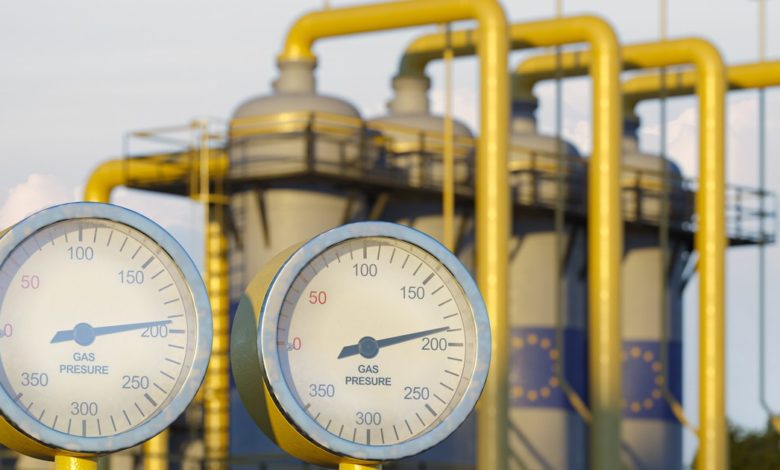
Türkiye, located on the edge of Europe, has long served as channel for Russian energy raw materials heading for the EU. However, after Brussels' recent proposal, to eliminate all the import of Russian gas by the end of 2027, this connection is currently under analysis.
To implement its plan, the Union wants to impose more monitoring requirementshow and where Russian gas still gets to the Member States. However, for this to succeed, the EU will probably need information from key transit countries, such as Türkiye. And Ankara does not seem interested in it.
“While the EU may, but does not have to decide to completely ban the import of Russian gas, Türkiye is of the opinion that Unilateral sanctions are threatened with disruption of economies and increasing concerns about energy security for everyone” – is the statement of the Turkish Ministry of Foreign Affairs transferred to Politico. Türkiye now humiliates Europe after years of difficult relations.
“Türkiye only implements the sanctions that have been adopted by the UN Security Council” – we read further.
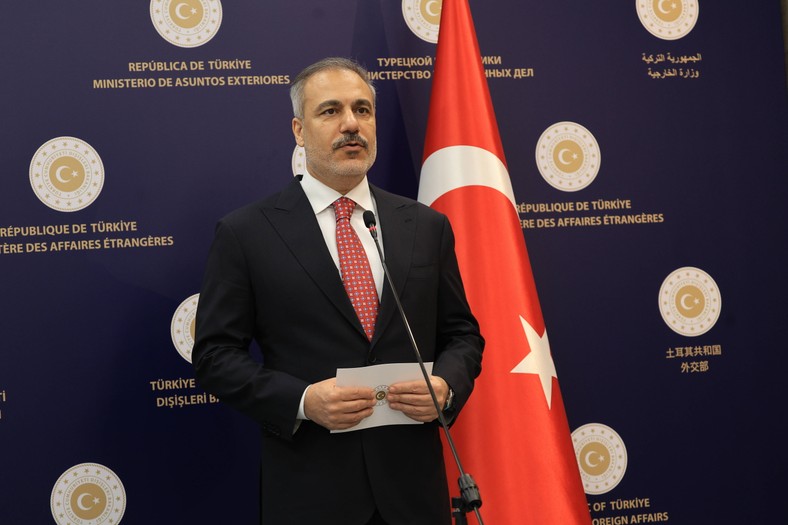
Hakan Fidan, Turkish Minister of Foreign Affairs. Ankara, June 30, 2025
Experts warn that This reluctance can open a gap that will allow Russian gas to unnoticed flow to the EUlong after the legal period. It also occurs when the relations between Brussels and Ankara reached a record low level due to the wide -ranging government's trial with the Turkish opposition.
– Turkey's reluctance to comply with EU regulations regarding monitoring may constitute A challenge for the effective implementation of the proposed regulationespecially taking into account the growing role of Turkey as a transit and a potential hub for Russian gas – says Ville Niinisto, MEP Green and former Finnish Minister of the Environment, who directs the work of the European Parliament on the draft regulation.
The European Union is helpless
Over three years after Russia began war against Ukraine, The European Union is still trying to fully become independent of energy supply from Moscow And cut off the key stream of the Kremlin's income.
From 2022, the EU with phases withdraws from the purchases of Russian oil and coal by sea, while reducing gas import by about two -thirds. Still buys significant amounts of cooled liquefied natural gas from Moscow along with limited pipeline supplies.
In June, Brussels presented a proposal to solve the problem of the remaining imports with gradually introduced total banstarting with short -term contracts this year and gradual withdrawal of long -term contracts in 2027.
To achieve this, the European Commission, the EU executive body, wants to better track energy imports, asking companies bringing Russian gas to provide “all relevant information” needed to assess the origin of fuel, including delivery contracts. EU capitals and the European Parliament are currently negotiating regulations in this matter.
Tracking gas origin is devilishly for the EU because It is not possible to check where the particles come from. Meanwhile, delivery contracts are confidential, and fuel often passes through several intermediaries before it reaches the destination.
The proposed provisions would not impose any legal obligations to Turkey, which is not an EU member. However, given that contracts do not always clearly indicate where the fuel comes from, EU companies can be forced to ask their Turkish counterparts for additional informationif they want to continue to import gas, says Aura Sabadus, a senior energy analyst and gas market expert at the ICISC consulting company.
Explains that this is particularly important in the case of Stranda-Malkoclar cross-border shopping point connecting Turkey with Bulgaria.
According to the complex agreement signed in 2023, the Bulgarian energy company Bulgargaz may order loads of liquefied natural gas (LNG) to Turkish terminals, which are then transferred to the Turkish state -owned company Botas before Bulgargaz on the EU border is returned.
The problem is that “We don't know if the gas supplied to Bulgaria is the same”Sabadus notes like the one reaching Turkish terminals. This means that the EU cannot be sure if it is “mixed” with other supplies.
And taking into account the relatively low price of Russian gas, There is a “high risk” that a significant part of this gas comes from Russiasays the expert. The same risk also applies to the smaller point connecting Greece and Turkey.
Last year, the EU imported 1.9 billion cubic meters. gas through both connections, as the data from the ENTSO-G platform show. This number may increase to 5.4 billion cubic meters. estimates sabadus. Although it is small compared to 150 billion cubic meters, which Moscow once exported to the EU, and so it is one -fifth of the total pipeline import from Russia to the EU last year. According to the expert, this “gap” means that two inter -system connections “must definitely be included” in the legal proposal as the entrance points to the EU “high risk”.
– if Türkiye refuses full cooperation in the field of monitoring or transparency requirements, […] authorities in the EU Member States will not have the necessary datato determine the origin of gas introduced from Turkey – adds MEP Niinisto.
Will Russian gas stop flowing into Europe?
Key players transporting gas through the Turkish border They say that the flows are already strictly monitoredeven if experts remain skeptical. Bulgargaz spokesman claims in an interview with Politico that, according to the agreement of 2023, the state -owned company only provides support services in gas transport, not on sale, while emphasizing that it strictly monitors the origin of flows. – Bulgargaz has all the documents […] regarding LNG supplied to Botas terminals – assures the spokesman, adding that “in this respect the origin of natural gas […] You can easily prove. “
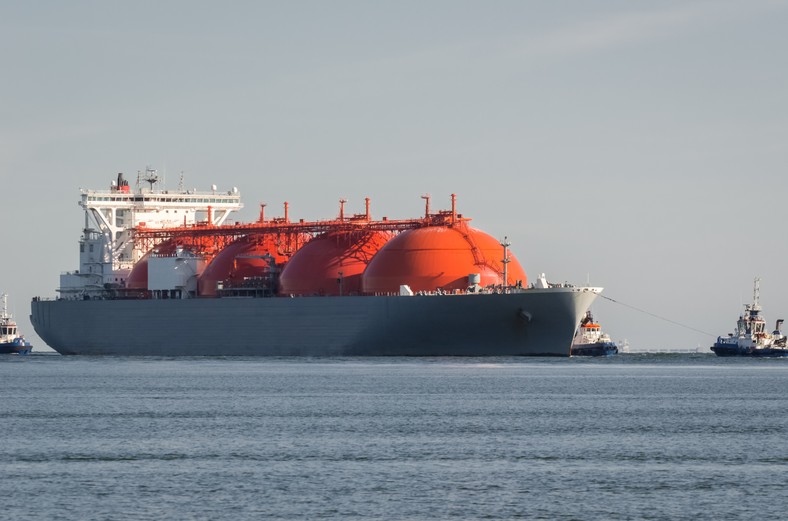
Gas at sea. Illustrative photo
Ankara also claims that she maintains a “decisive and consistent position against all attempts to use Turkey to circumvent” EU regulations, while adding that her “Data on gas import from suppliers are periodically published”.
The European Commission, Botas and Greek importers of the DEPA and Metlen Group gas did not answer Politico's requests for comment.
The problem is that “”Türkiye does not have much motivation to follow “the regulationconsidering that her EU relations are currently “at the lowest possible level”, according to Mehmet Ogutcu, general director of the Global Resources Partnership consulting company and a former Turkish diplomat.
Therefore, Brussels will have to consider encouragement such as resumption frozen conversations about energy issues related to the dragging Turkey's request for membership in the EU. Another option is to unlock the European Investment Bank funds for ecological projects.
The Ministry of Foreign Affairs of Turkey replied Politico that it is “inclined […] cooperate with the EU in energy matters ” Depending on Brussels's readiness, to cooperate with Ankarawhich may include the resumption of high -level conversations.
But even this assumes that Türkiye would work in good faith. According to Sabadus, the gas market experts, there is a “high probability” that Ankara can manipulate the content of customs documents – Just like, according to suspicions, she has already done it with Russian supplies of oil to Europe. – What jurisdiction does the EU over Turkey have? – Asks the analyst rhetorically. – they cannot go and check Turkish customs, […] They cannot check the Turkish government. They have no jurisdiction.