
The Chinese government has the “last word” in choosing the future Dalai Lama, says a Tibetan official

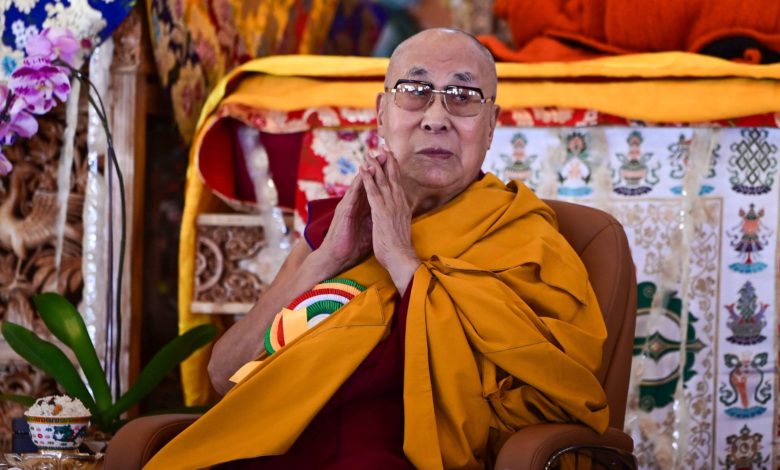
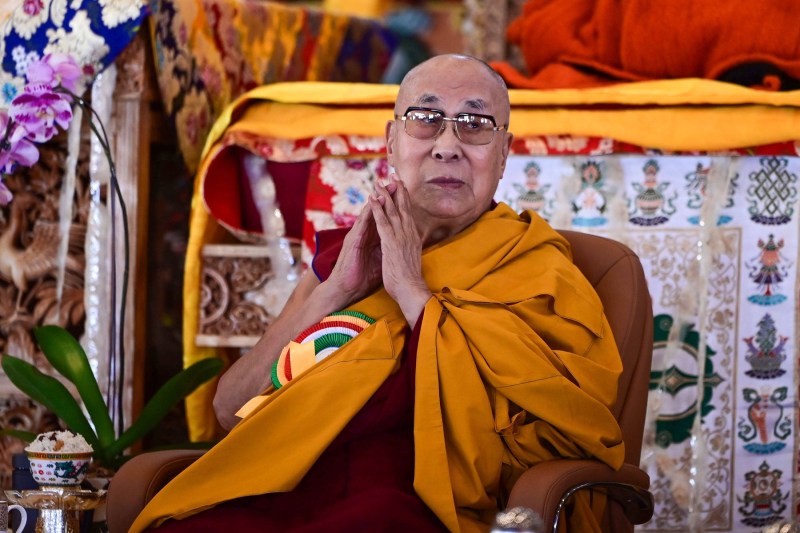
Dalai Lama, the spiritual leader of the Tibetan buddists and one of the most famous religious figures in the world. Credit Line: Hindustan Times / Imago Stock & People / Profimedia
Finding the one who will be the next Dalai Lama will be made by the Chinese government and not according to the indications left by the current Tibetan spiritual leader, an official of the Chinese Communist Party Committee for Tibet said on Tuesday.
China considers the laureate of the Nobel Peace Prize Dalai Lama a separatist and wants to bring Tibetan Buddhism, but the Dalai Lama and his many followers put obstacles.
Last month, on the occasion of 90 years, the Dalai Lama announced to her followers that she will reincarnate, and the process of finding and recognizing her reincarnation is exclusively for the Gaden Phodrang Foundation-a non-profit organization she founded in 2015.
However, the Cedain range, deputy secretary of the Chinese Communist Party Committee in Tibet, said that the reincarnation of the Dalai Lama will be identified by an internal procedure, with approval from the central government.
“The central government has the last, undeniable word, regarding the reincarnation of the Dalai Lama,” he said at a press conference.
He said that this is the faith respected by the followers, and the government process follows strict religious rituals and historical habits related to the reincarnation of the spiritual leaders of the Buddhists.
Tenzin Gyatso is the 14th Dalai Lama and the longest-long religious leader in the world. He fled Tibet in 1959, after Chinese troops have drunk a revolt in the Tibetan capital Lhasa, and has been living in the city of Dharamshala since India. He contributed here to the establishment of a democratic government in exile and traveled throughout the world to plead for the autonomy of the Tibetan people.
Tibetan buddists believe that the Dalai Lama can choose their body in which it will reincarnate, as has happened 14 times since the institution's creation in 1587. Gyatso has said several times in the past that his successor will be born outside China and excluded Beijing in his choice.


