Study: The world is experiencing a $ 1.5 trillion plastic crisis, affecting childhood health to old age.

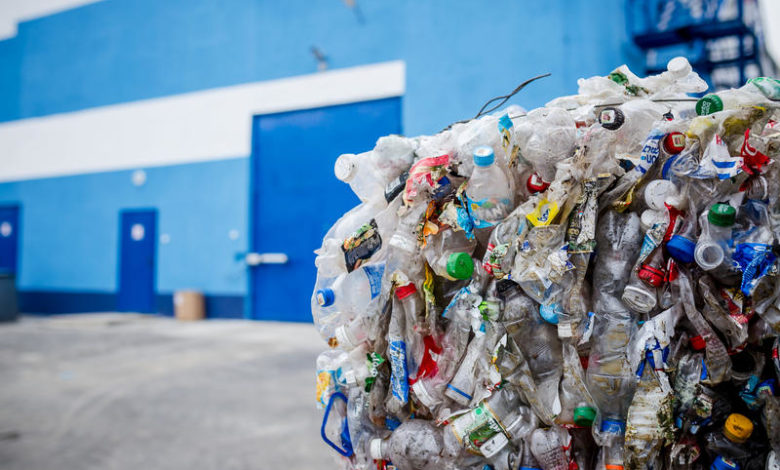
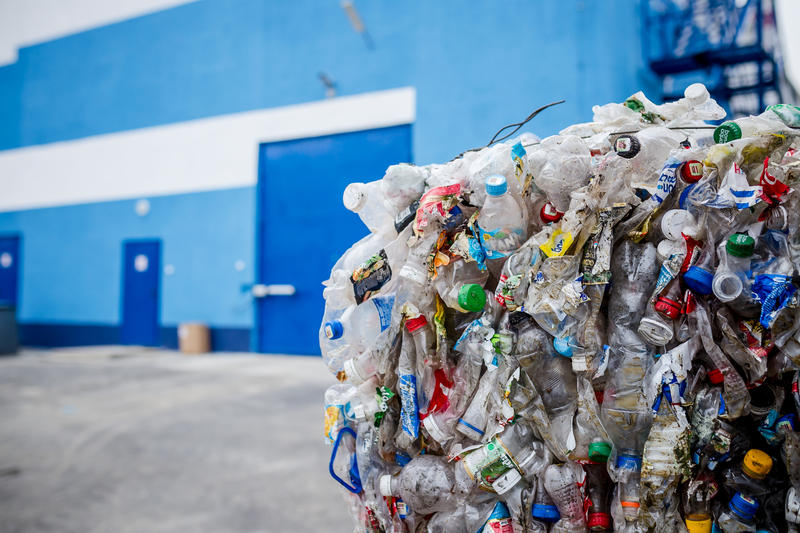
Plastic recycling, photo: © Pavel Rusak | Dreamstime.com
Plastic production has increased more than 200 times compared to the 1950 situation and affects health at each stage, from extraction to elimination, a study published in The Lancet Medical Journal shows, according to The Guardian.
The analysis warns that plastic materials are a “serious, growing and underestimated danger” for human and planetary health. The world is in a “crisis of plastics”, it is the conclusion of the research, and this crisis causes diseases and deaths, in children and elderly, being responsible annually for health issues in value at least $ 1,500.
It is estimated that plastic production will triple again
The crisis engine is a huge acceleration of plastic production, which has grown more than 200 times since 1950 and it is expected to be tripled again, reaching over one billion tonnes a year by 2060. Although the plastic has many important functions, the fastest growth has been recorded in the production of disposable plastics, such as bottles, such as bottles.
As a result, plastic pollution has also increased vertiginously, 8 billion tons now polluting the entire planet, shows in the analysis, from the top of Mount Everest to the deepest oceanic ditch. Less than 10% of plastic is recycled.
The plastics endanger people and the planet at each stage, the report is shown, from the extraction of the fossil fuels from which they are manufactured, to production, use and elimination.
This leads to air pollution, exposure to toxic chemicals and infiltration of the body with microplastic. Plastic pollution can even stimulate the number of mosquitoes carrying diseases, because the water captured in the thrown plastic offers good reproductive places.
Negotiations for a global treaty
The study, published in the renowned medical journal The Lancet, was launched before the sixth and probably the last round of international negotiations to agree on a legally compulsory global treatise on plastics, meant to approach the crisis.
The discussions were marked by a deep disagreement between over 100 countries that support a plastic production and oil states, such as Saudi Arabia, which oppose the proposal.
“We know a lot about the extent and severity of the impact of plastic pollution on health and environment,” said Professor Philip Landrigan, pediatrician and epidemiologist at Boston College in the US and the main author of the new report. He claims that it is imperative that the Treaty on plastics include measures to protect human and planetary health.
“The impact is most felt on vulnerable populations, especially on infants and children,” the researcher added.
The oil states and the plastics industry have argued that the emphasis should be plastic recycling, not on the reduction of production. However, unlike paper, glass, steel and aluminum, chemically complex plastics cannot be easily recycled. According to the report, “it is now clear that the world cannot recycle to get out of the plastic pollution crisis.”
Photo: © Pavel Rusak | Dreamstime.com