Donald Trump and Dolar do something that we saw just before the crash on the stock exchange in 1987.

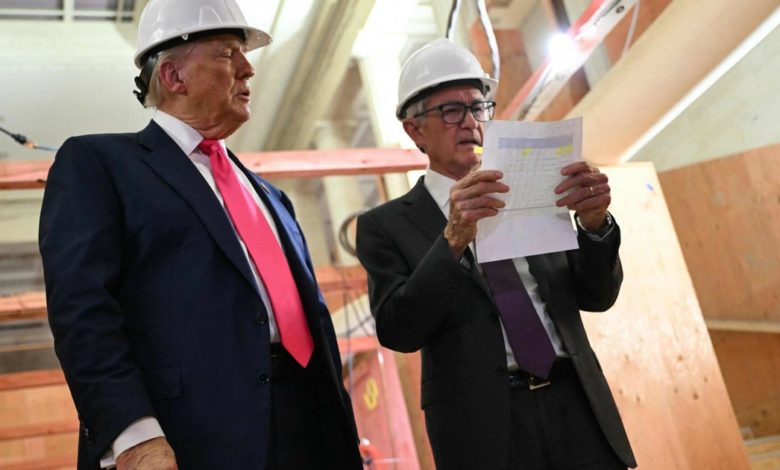
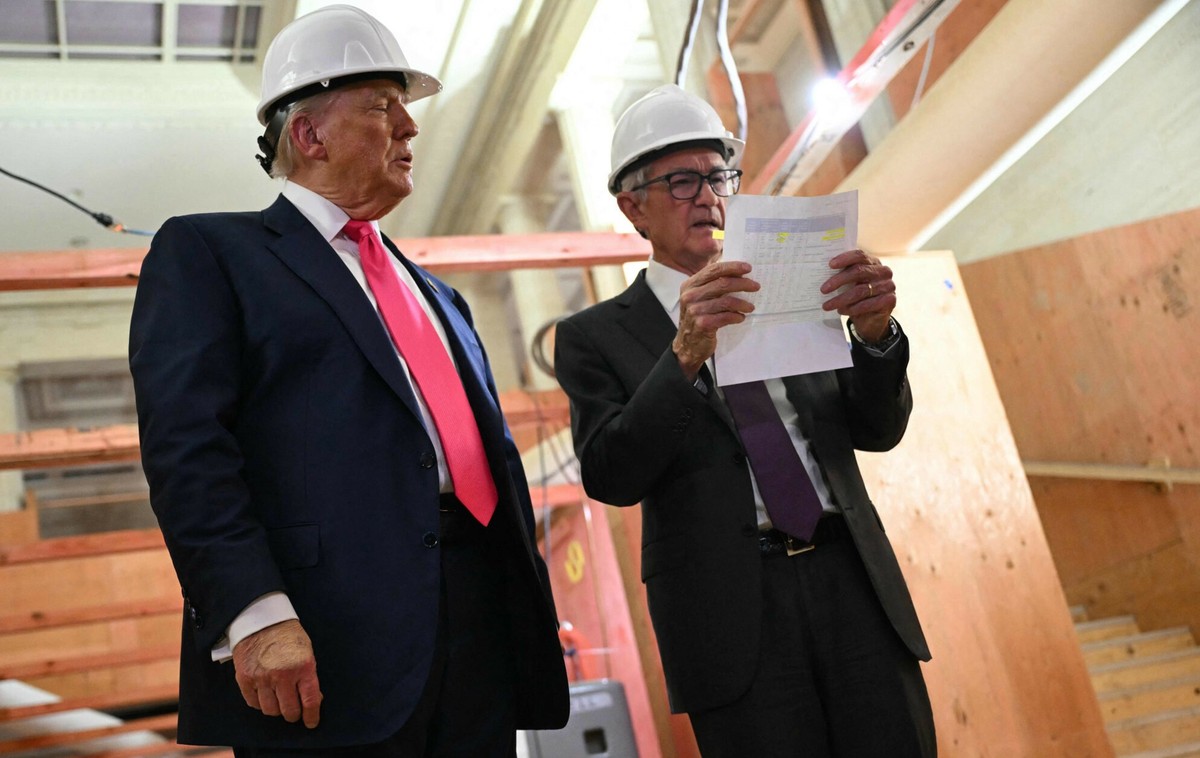
At first glance, course fluctuations do not have to mean much for investors from Wall Street. In the past and weak, and a strong dollar could accompany Hossie. However, the last turbulence coincides with the increasingly sharp pressure of the White House for a federal reserve. President Donald Trump publicly calls the FED to “take control” on Jerome Powell and a sudden cut of the feet. This political pressing on the central bank, combined with dollar drops in the first half of the year, evokes associations with the autumn of 1987.
In 1987, the dollar exchange rate a few months before the crash weakened by about 7 percent. In the administration of Ronald Reagan, the secretary of the treasury James Baker loudly demanded that the currency be lowered and the loosening of monetary policy – almost identical to today Trump from the Fed. October 19, 1987, on “Czarny Monday”, Dow Jones dived by 22.6 percentwhich remained the largest one -day decline in the history of the index.
Special offer
Analyzes from that period indicated that this is the fear of the currency war, and not just automatic computer programs, it was a panic igniter.
Does the dollar really “predict” company results? Mark Hulbert from the Marketwatch examined how changes in the DXY index translate into the future increase in profits of companies from S&P 500. 50-year data shows that the correlation can be positive (strong dollar = faster EPS growth) to become negative in subsequent years. Statistically, the dollar explains only fractions of the percentage of profit variability. In other words, in quiet conditions, currencies are not a reliable “overtaking indicator” for the stock exchange.
Why do investors get nervous anyway? The problem arises when Politics begins to intentionally weaken the currency. In 1987, a combination of high shares, commercial tensions and dollar decreases created a flammable mixture. Today we have similar elements:
- Value deviation – the price/profit indicator for S&P 500 still remains above the average of the last two decades, which increases the market sensitivity to unexpected shocks.
- Political pressure on the Fed – open demands of foot cuts increase the risk that the independence of the central bank will be upset and the dollar will lose rapidly after another reduction.
- Trade friction – subsequent waves of duties imposed by the Trump administration already cause nervous capital movements and change of exchange rates.
In such circumstances, even a statistically poor relationship between the dollar and the profits of companies goes to the background and Market psychology begins and the fear that the script of “market loss of trust” will repeat from 38 years ago.
What does this mean for a beginner investor?
First of all, the strength or weakness of the dollar rarely determines the result of the portfolio of the action. It is much more important why the currency is changing. If the main factor is political pressure for drastic rate reductions – and not a natural difference in the growth rate of economies – the market can react more violently than usual. Secondly, the high valuations of shares mean that every negative catalyst (like the loss of faith in the central bank) It can cause greater discounts than in the years when the indexes start from lower levels.
In 2025, is we threatened with a replay with Black Monday? History, as they say, never “repeats exactly, but it rhymes”. The dollar, political pressure and commercial voltages are a trio, which once – in 1987 – destroyed the peace of Wall Street. Therefore, although statistics do not confirm the simple relationship between the currency exchange rate and the stock exchange, today's parallels make investors be vigilant. Especially if the dollar begins to lose their value rapidly again after the feet reductions forced by the White House.