In an official announcement, an organization of several dozen industry industrial associations in Germany stressed that New trade conditions send a “fatal signal” towards the transatlantic partnership.
“The agreement does not take into account the key interests of the European industry and will lead to real losses on the side of German exporters” – it was written.
Read also: Poland joins the group of the largest economies in the world. Does he have a chance to advance to G20?
EU agreement with the USA. Customs sectors will include duties
The new agreement provides for 15 % customs rates for a significant part of European exports to the USA, including goods from industries such as motoring, electronics (in particular semiconductors) or pharmaceuticals-the pillars of German industry. At the same time, the European Union has committed to increasing the purchases of American energy and weapons.
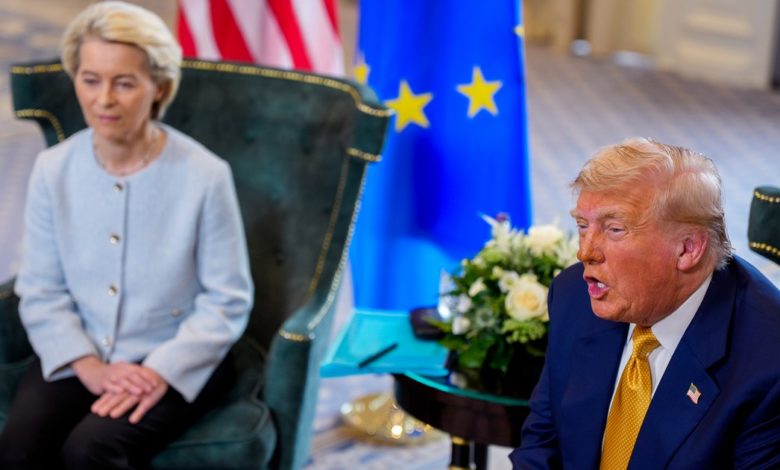
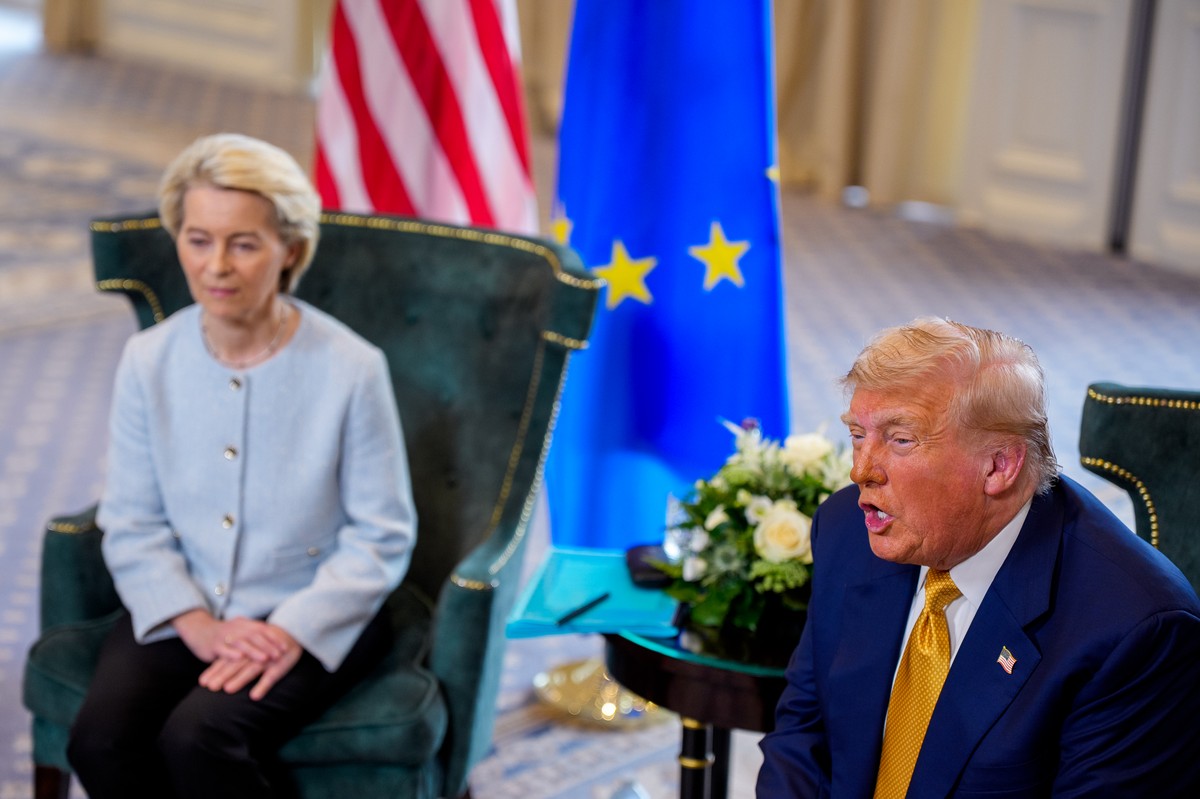
The chairwoman of the European Commission Ursula von der Leyen, by announcing the agreement together with the US President Donald Trump, announced that although new duties were introduced, as part of the compromise, both sides will endure customs barriers to selected goods, including Aircraft, some chemicals, agricultural products and generic drugs.
Read also: The US and the EU avoid trade war. The Customs Agreement saves the global economy
German industry criticizes the contract. “The EU agrees to painful concessions”
The German economy – the largest in the European Union – is largely based on exports. The United States has been one of the key markets for German companies for years, especially in the automotive and chemical industries. The introduction of additional duties can mean not only an increase in costs and a decrease in competitiveness, but also deepening the ongoing economic slowdown.
BDI expresses disappointment with a lack of effective defense of the interests of the European industry and calls for the revision of the terms of the agreement. “The EU agrees to painful concessions, which in the long run may undermine the foundations of the common market and weaken its position in the global arena” – emphasizes the organization.
The agreement is part of a broader context of economic tension between the USA and Europe. Under the rule of Donald Trump, the American administration has repeatedly threatened Europe by introducing trade sanctions, accusing the EU, among others unfair commercial practices. For many observers, the current contract is proof of pressure from Washington and growing asymmetry in transatlantic relations.
Although the European Commission emphasizes the importance of compromise and strives to stabilize trade relations with the USA, growing dissatisfaction with the European industry – especially German – may become a serious political challenge for Brussels in the coming months.