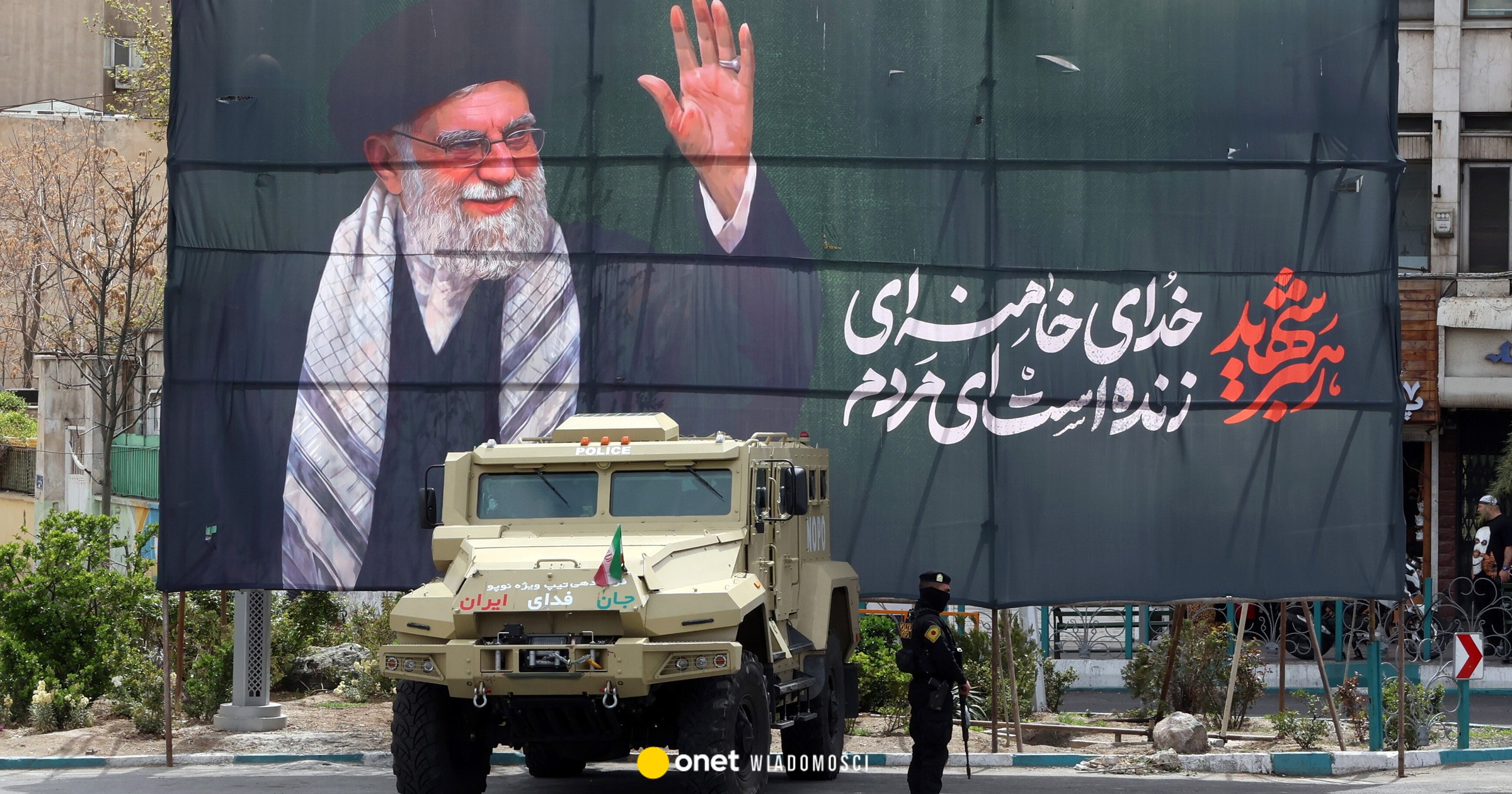
New disclosures about Iran's nuclear program. The Islamic Republic would have considered an electromagnetic weapon

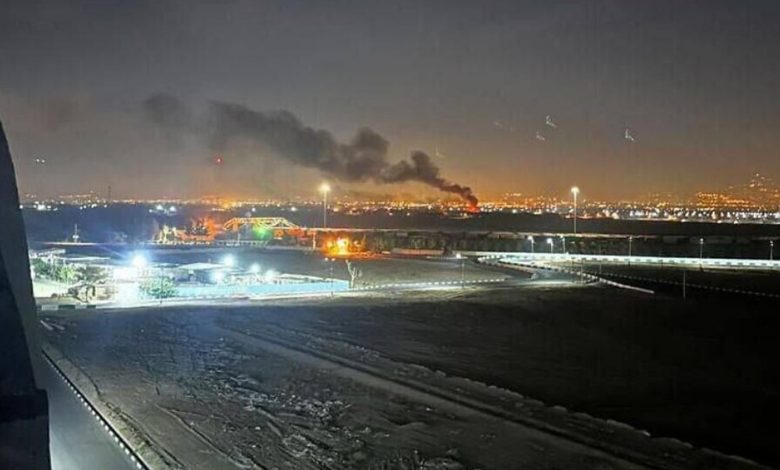
Israeli sources believe that US and Israel's attacks last month stopped the development by the Islamic Republic of two types of nuclear focoases, as well as a “weapon with electromagnetic impulses (EMP) capable of paralyzing Electronic Israel”, Washington Post reported, according to Times of Israel.
According to the American publication, during the 12 -day war, Israel also destroyed about half of the 3,000 Tehran ballistic missiles and 80% of its 500 rocket launchers.
Anonymous Israeli sources revealed the Tehran was planning to increase its ballistic rocket stock at at least 8,000, so that any postponement of the attack against Iran would have made the vulnerable Israel on dangerous rocket attacks.
Although Israel has successfully destroyed many of Iran targets, it also had an unpleasant surprise: it found that Iran had a greater number of solid fuel missiles, which are more difficult to break, than anticipated, according to an Israeli source quoted by Washington Post.
The damages produced by Iran's nuclear and missile programs have been emphasized by the assassination of physicists and scientists in the 1st, II rank nuclear field, as well as the majority of the third rank, according to the sources quoted by Washington Post. Israeli officials have said that Iranian young people are now being discouraged to pursue careers in these fields in order not to risk becoming targets.
The disclosures were reported in an opinion article signed by David Ignatius, the specialized editorialist of the Washington Post.
Ignatius also wrote that when US President Donald Trump announced the armistice, “Israel enters a final phase of attacks meant to overthrow the regime”, but it does not provide details. A few hours after Trump announced the armistice, on June 24, he ordered Israel to withdraw the airplanes that Israel said will “forcefully hit the heart of the Tehran”, and publicly criticized Israel for apparent violations of the armistice.
Iran was considering an electromagnetic weapon
According to sources, assassinations committed on scientists have stopped developing an EMP device. Such weapons emit strong explosions of electromagnetic energy that have the ability to paralyze electrical networks. A weapon with electromagnetic impulses was promoted by the guards of the Iran Revolution as an alternative to nuclear weapons, since atomic weapons are officially forbidden on the basis of a religious decree issued by the Supreme Iranian leader Ali Khamenei.
However, despite this fatwa, Israeli sources appreciate that Iran made progress in two types of nuclear weapons: those based exclusively on the nuclear fission reaction and those using the nuclear fission to primarily the nuclear fusion reaction.
According to the WP publication, at least one nuclear project was given back as a result of Israel's attacks against Iranian scientists.
Israeli attacks destroyed and “The logistics bases of the program, including the headquarters, archives, laboratories and test equipment”, said an Israeli source, according to WP.
A well-informed Israeli source, quoted in the report, said that “Iran is no longer an almost nuclear state”-thus reiterating a similar evaluation of the head of staff of IDF, general lieutenant Eyal Zamir-according to which Iran would need one to two years to build a nuclear weapon. The source also said that Israel could probably be able to detect and destroy a possible Iranian effort to quickly build a rudimentary nuclear device.
Israel launched an attack on Iran, on June 13, on account of the fact that the Islamic Republic, was approaching with rapid steps. Although Iran denies that he would like to acquire nuclear weapons, he has still accumulated uranium enriched up to a purity of 60% – far beyond what would be needed for civil use and at one step for a nuclear weapon.
American and Israeli sources, who told Washington Post under the condition of anonymity, said the White House has approved the attack of Israel, but reported that US forces will only intervene as the Israeli campaign proves to be successful.
Iran responded to Israeli attacks with ballistic missiles that killed 28 people, caused damage to Israeli cities and relocated thousands of people.
On June 24-the day before a US Armistice mediated by the war between Israel and Iran-American bombers hit three key Iranian nuclear sites, including the Fleno underground installation, which could only be penetrated with “bunker-buster” American bombs.