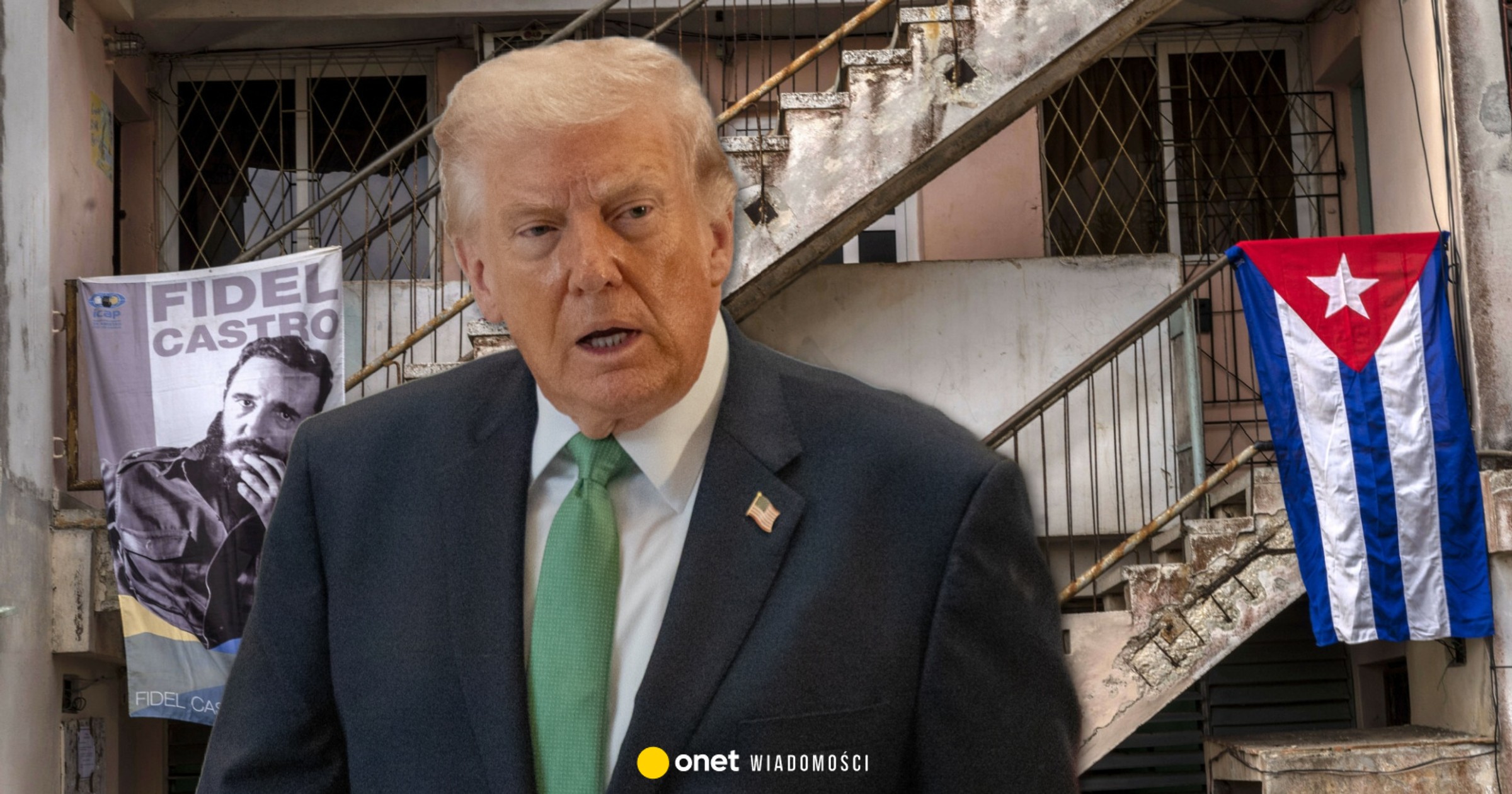
After Venezuela and Iran, Trump announces actions against another, this time neighboring country. He says directly that it would be an honor for him to “liberate” or even “take over” Cuba.
The country is suffering from an economic crisis, power outages and a US embargo that has been in place since 1962. Cuba is of strategic importance, but annexing the island would involve a high risk for the Americans.
In the USA, there is already talk of a new 51st state. Philipp Adorf, an expert on American politics from the University of Bonn, answers the six most important questions about the current crisis.
Will Trump seize the opportunity to make Cuba the 51st US state?
For US expert Philipp Adorf from the University of Bonn, Trump's threats are aimed at putting “maximum pressure” on Cuba. Using the example of Venezuela, Trump has shown that he does not shrink from operations against state leaders.
“For Cuban leaders, it is a fight for survival, in the literal sense of the word,” says Adorf.
The expert says that Trump's main goal is to overthrow the communist government of President Miguel Diaz-Canel. Then he will be able to create a government that suits him – perhaps with the participation of exiled Cubans.
Annexation, however, would be expensive, as Trump would have to rebuild a completely ruined country.
The article continues below the video
How difficult would it be to conquer Cuba?
From a military point of view, taking the island would probably not pose a major problem for the Americans. Cuba is relatively close, 150 km from the US border, and Trump's army has a significant advantage.
But the real fight would probably come later – to hold the island. Cuba had prepared for an invasion and could make life difficult for the occupiers by using guerrilla tactics.
Why does Trump care about Cuba?
There are at least three reasons for this:
the island is of strategic importance for the sea lanes in the Gulf of Mexico. Control over Cuba translates into influence throughout the Caribbean region;
Trump wants to go down in history as the president who finally defeated communism in the Western Hemisphere. Meanwhile, the Cuban government cooperates closely with China, but also with Russia. The overthrow of the Cuban regime therefore also has an ideological dimension;
the votes of Cuban expatriates in Florida are important to Republicans. Emigrants support the liberation of their native Cuba, so the fight against the Cuban regime could contribute to increasing the current president's popularity among this group of voters.
How would the Cubans react to a US attack?
Many Cubans suffer from a deepening economic crisis and state repression. At the same time, however, they notice that The decades-long US embargo has contributed to this misery.
— Historic distrust of American influence runs deep. Widespread enthusiasm for annexation or increasing Americans' right to co-decide the fate of the island is highly unlikely, Adorf says.
Would the US go to war over Cuba with Russia and China?
In the cases of Venezuela and Iran, Russia and China largely remained passive observers. In the event of Trump's attack on Cuba, the situation could be different.
Both Moscow and Beijing could feel encouraged to respond by strengthening their military presence in other regions of the world and expanding their influence.
According to Adorf, Taiwan in particular could become a new flashpoint.
— Beijing may be growing concerned that Washington will increase its military support for Taiwan in the future. The likelihood of conflict between the People's Republic of China and Taiwan will increase, Adorf says.
A direct war between the great powers, however, seems unlikely. However, Russia could force concessions in the war with Ukraine in exchange for withdrawing its opposition to the possible annexation of Cuba.
How did the current crisis come about?
After the US victory over colonial Spain in 1898, Cuba became dependent on the United States. In 1959, Fidel Castro overthrew brutal dictator Fulgencio Batista in a revolution and made the island a communist ally of the Soviet Union. In 1962, a military confrontation on the island between the nuclear powers – the USA and the Soviet Union – was prevented at the last minute.
The collapse of the Soviet Union hit Cuba's economy hard.
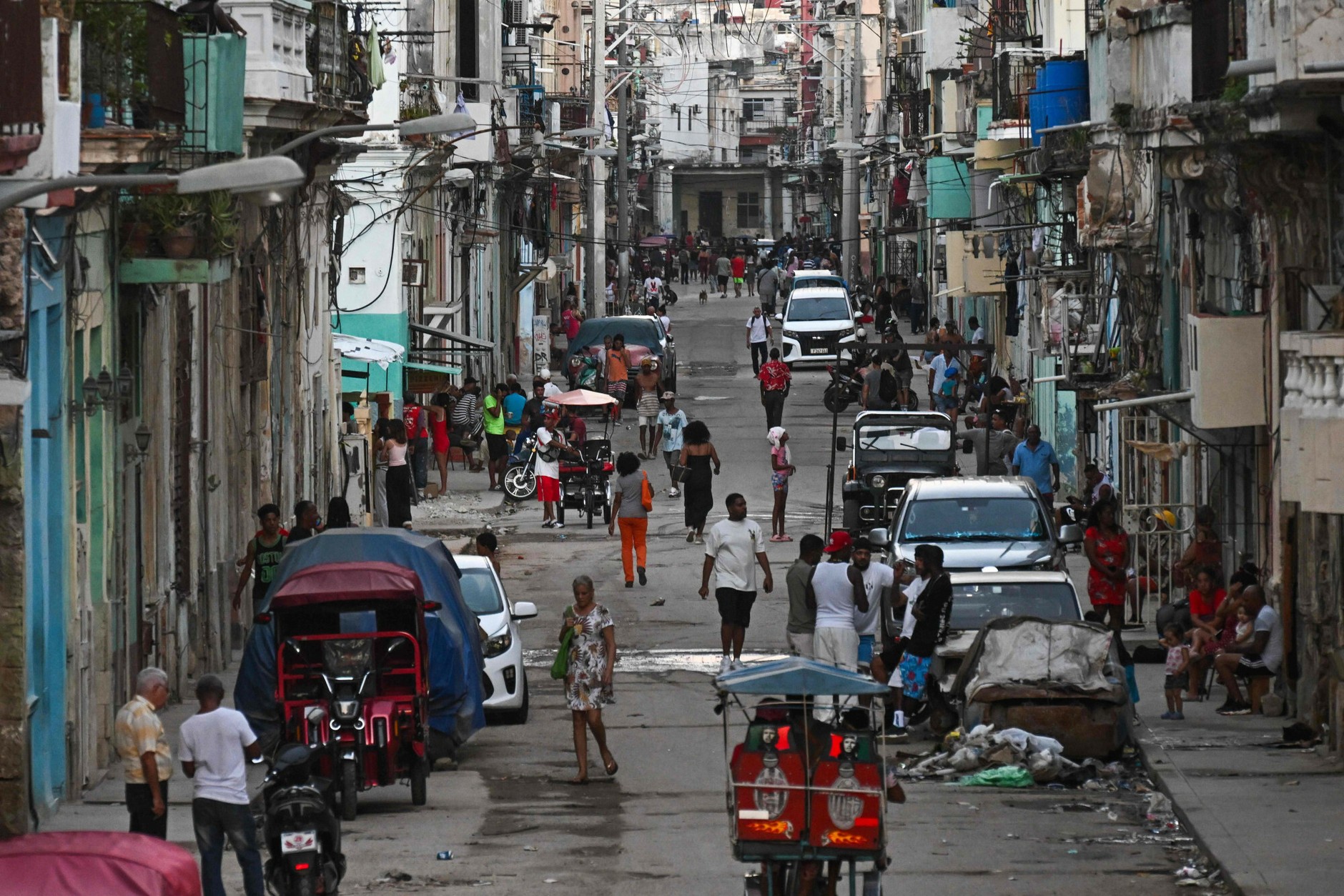
A street in Havana, the capital of Cuba (illustrative photo)YAMIL LAGE/AFP/East News / East News
US President Barack Obama focused on rapprochement with the island's authorities and eased the sanctions imposed on the country. This process was largely undone under Trump. This has deepened the island's economic isolation during the current crisis.
I’m Ashley Davis as an editor, I’m committed to upholding the highest standards of integrity and accuracy in every piece we publish. My work is driven by curiosity, a passion for truth, and a belief that journalism plays a crucial role in shaping public discourse. I strive to tell stories that not only inform but also inspire action and conversation.