Almost a third of the inhabitants of Gaza have not eaten for several days. “New desperation level”

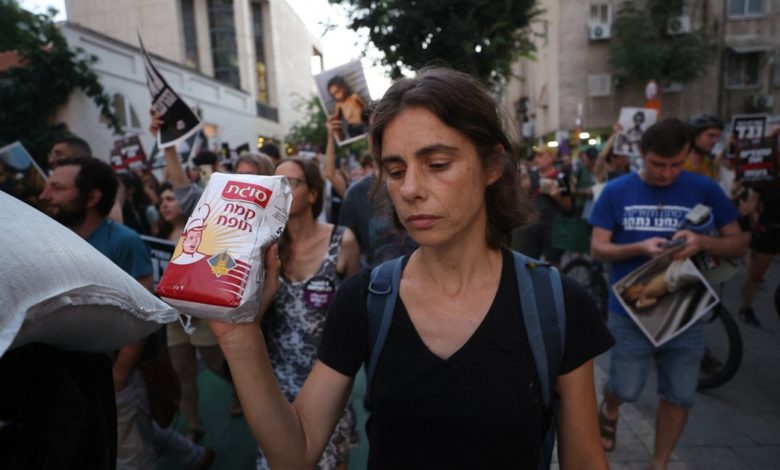
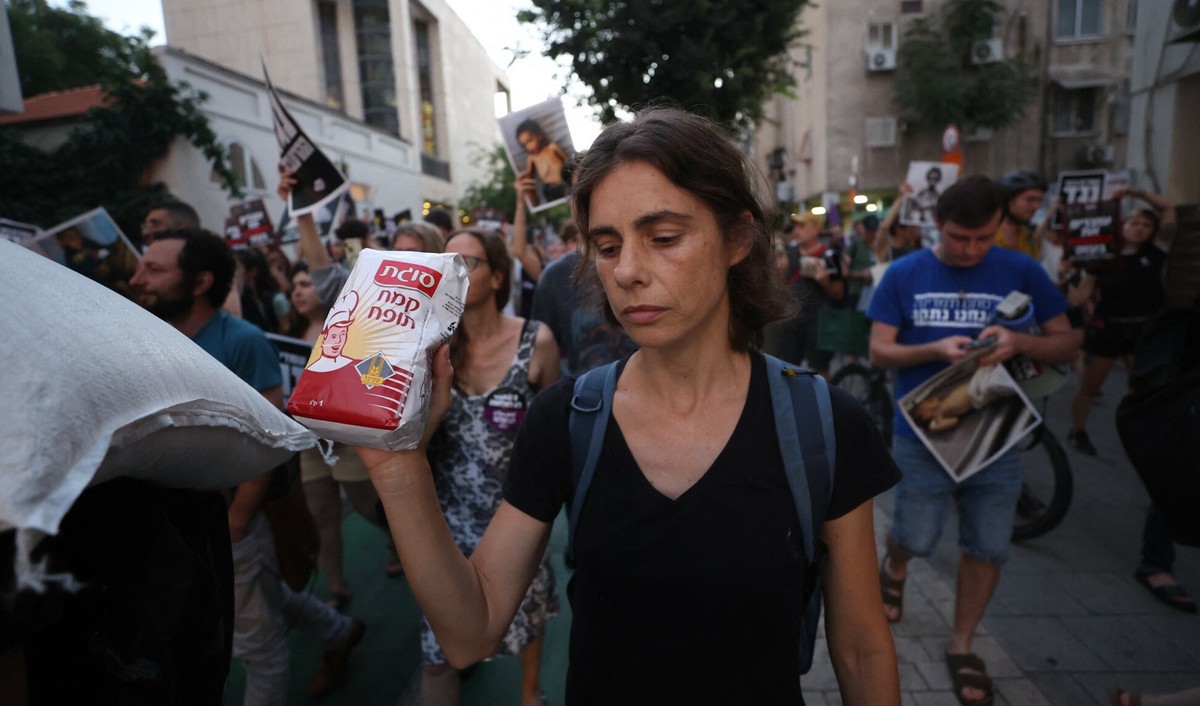
The assessment of hunger threat, i.e. the classification of the IPC, estimates that between May 11 and the end of September 2025, the whole gauze remains at the “sudden accident” level (IPC 4), and 470 thousand people (approx. 22 percent of the population) experiences “disaster” (IPC 5), or extreme hunger. This is a projection covering the months in which the greatest deficiencies of food, medicine and fuel were noted.
The number of deaths related to malnutrition increases overnight. The World Health Organization warned on July 23 that “we are observing the deadly wave of deaths due to malnutrition, and healing heavy malnutrition centers are overcrowded. Regardless, local medical authorities in Gaza report further victims – in recent days the media has recorded at least 122-123 hunger deaths from the beginning of the war, including dozens of children.
Although detailed numbers come from the Ministry of Health Controlled by Hamas and are difficult to fully verify, The trend is confirmed by the UN and humanitarian organizations.
UN Secretary General António Guterres, speaking on July 25, spoke about the moral crisis, saying that from May 27 the UN recorded over 1000 Palestine and Palestinians killed during attempts to get food. “Words will not feed hungry children,” he called for immediate change of approach and enabling mass access to mass.
Check also: Fear in Germany after discovering gas and oil in Poland. “We demand explanations.” The authorities were surprised by Polish success
Only a few dozen trucks
At the same time, data on general victims and the scale of damage are published. Ocha reported on July 16 that from October 7, 2023, at least 58 thousand were killed. 573 Palestine and Palestinians, and 139 thousand 607 were injured. At the same time, according to the UN system and partner organizations, the vast majority of the population was expelled many timesand even 90-92 percent The housing resource is damaged or damaged. This is confirmed by both UNRWA assessments and international humanitarian organizations.
Israel, who controls the entry of goods to gauze, maintains that it does not limit the influx of help and blames Hamas and UN agencies with inefficient distribution and failure to be transported.
Journalists and analysts, however, point out that The volume of supplies unlocked after a complete blockade of March 2 remains dramatically insufficient in combination with the needs – According to the UN, several hundred trucks a day should enter Gaza, while from May they have an average of about 70.
The UN adds that work prevents restrictions in movement, lack of safety and unpredictable surgical conditions.
In view of the growing hunger defeat, Israel announced on July 25 that it would resume the drops of help from the air through Jordan and the United Arab Emirates. The British government signals readiness to support such an operation. International organizations, however, warn that the drops are expensive, risky and are not able to replace regular land supply. The head of Unrwa Philippe Lazzarini called them the most expensive and least effective method, “diverting attention from idleness.”
Read also: COMPISTING TO THE SEJM COMMISSION with Zbigniew Ziobra. “Please leave the room”
Tension increases
The diplomatic tension around the access to help is increasing. On July 21, the rule of Germany, France and Great Britain in a joint statement called Israel to immediately abolish the restrictions of the flow of aid and emphasized the obligations arising from international humanitarian law. The day before, French President Emmanuel Macron announced that Paris would formally recognize the Palestinian state in September, what It caused an objection to Israel and the USA and pressure on other European capitals.
In London, over 220 deputies – more than a third of the House of Commons – signed a letter calling for Prime Minister Keira Starmer to follow in the footsteps of France. The head of government replied that possible recognition must be part of a wider plan leading to a two -state solution.
At the same time, the perspective of a truce. On July 25, the USA and Israel withdrew negotiating teams from Qatar, accusing Hamas of a lack of will to agree; American President Donald Trump tightened rhetoric at this organization. Mediators, however, maintain that The conversations have not been closed for good and can be resumed.
At the operating level, the humanitarian crisis deepens violence around food distribution. In the past weeks there were fatal incidents at convoys and assistance points – WFP described the fire of the crowd of civilians, which surrounded the food convoy on July 20. The UN and medical organizations talk about “human hunting for food”, which ends with bullets, stratification and subsequent sacrifices. Even when deliveries appear on the border, chaos, lack of safety and limitation of the movement of convoys make it Only a fraction of help reaches the needy.