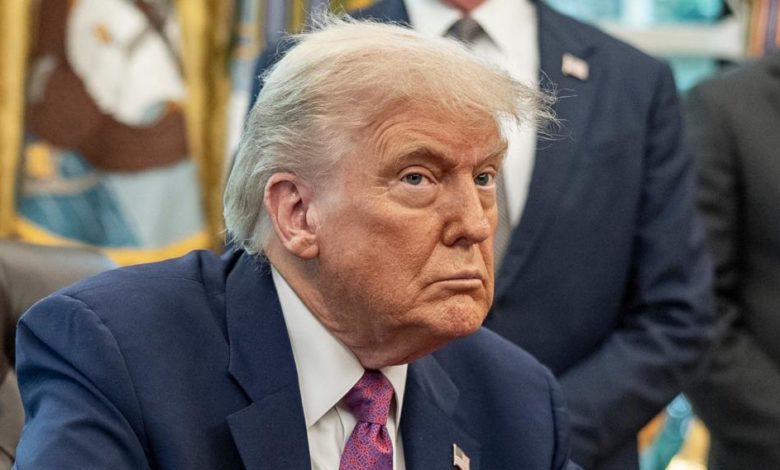
Within half a year of office, US President Donald Trump changed his approach to Russia's war against Ukraine – American experts said PAP. In the near future, you should not expect warming of Washington's relations with Moscow – they added.
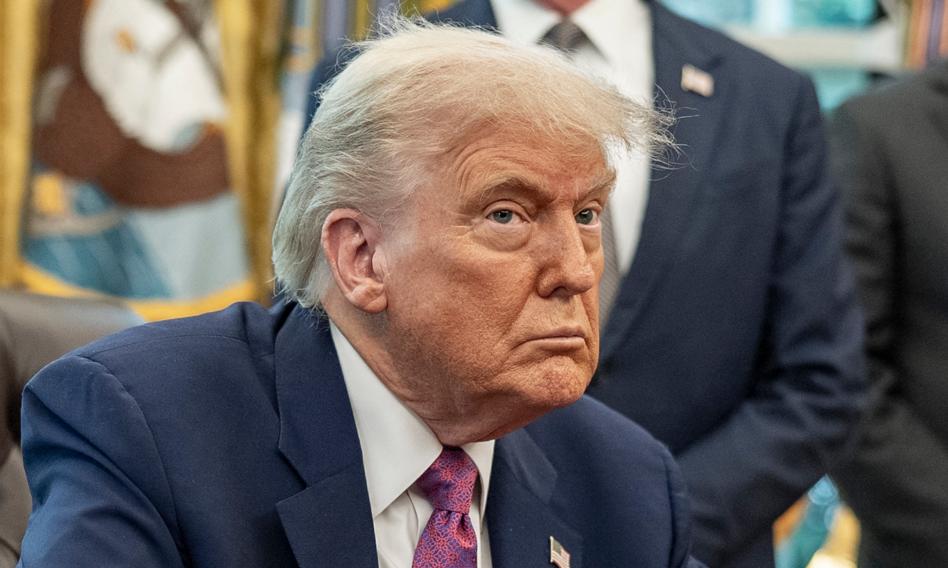
Six months have passed on Sunday since Trump's swearing at the US president. Pap asked analysts from the Washington Think Tanków Hudson Institute and Brookings Institution to summarize and assess Trump's previous activities on the international arena. Experts also compared the current policy to the activities of Trump's administration from the time of his previous presidency in 2017-2021 and presented forecasts for the future.
Trump's priorities after returning to the White House concerned primarily internal affairs – noted Daniel Kochis from the conservative Hudson Institute. In the international arena, the end of the war in Ukraine for his administration was a priority. The conflict was quickly worked, but other world weight events and the lack of interest in peace on the side of Russia “pushed this matter into the background,” noted a love in an interview with PAP.
Michael O'hanlon from the Brookings Institution assessed that Trump in his foreign policy attaches much more importance to security and economy than those who consider him an isolationist thought. The expert decided that, compared to the previous presidential term, Trump is doing better when it comes to alliances. He also better assessed his attitude towards Ukraine. The president goes worse in terms of trade – according to O'hanlon, Trump's policy in this area is too rapid, confrontational and non -continuous.
O'hanlon, who manages the program of research on foreign policy at the Hudson Institute, emphasized that Trump “came to the right point of view in the war in Ukraine, but did not make a lot of progress when it comes to the ending (this conflict – PAP).”
According to love, the chance to increase help for Ukraine was wasted, and the suspension of transmitting intelligence information to Kiev and periodic freezing of weapons were serious mistakes that helped Russia. He noted, however, that Trump's views on the end of the war have changed over the past six months, and the administration feels “more comfortable” in the subject of Ukraine's support.
The White House perceives NATO and the war of Russia against Ukraine as two separate cases – emphasized the expert Hudson Institute in an interview with PAP. He noticed that this differs from the way the Russian war treats many European countries: for them it is inseparably connected with the deterrence and potential aggression of Russia towards NATO in the future. Love admitted that this difference is underlying some tensions in transatlantic relations regarding the support of Ukraine.
It is still unknown what the further presence of American forces in Europe will look like. The Brookings Institution analyst believes that things “stabilize to some extent” and the situation around NATO “improves”. In his opinion, most soldiers will not be withdrawn from Europe.
The expert of the Hudson Institute forecasts that officials in the Pentagon, perceiving Pacific as a priority region, will recommend a certain reduction of forces on the Old Continent. Love expressed the hope that this would not be accepted by the White House. He estimated that limiting the US presence in Europe would send an improper signal not only of Russia, but also China, and would weaken scares in two directions at the same time. He warned that making decisions about reducing presence before Europe could reproduce its own strength and abilities, at a time when the threat from Russia reaches a climax, “would be a historic mistake.”
Love noticed that Russia has been leading the US and their allies for some time. Moscow's interests in Europe are radically different from American interests, Russian cooperation with Beijing is also deepening, and the goal is to weaken the US strength – he said. According to him, Trump, who believed that he was able to end the war of Russia against Ukraine, realized that Moscow has no interest in it.
The expert remained skeptical about the potential normalization of American-Russian relations in the near future. A more likely scenario in his opinion is that Trump's growing frustration will push the administration towards increasing help for Kiev and worse relations with Moscow.
O'hanlon also forecasts that Trump's relations with Russia will get worse, which in his opinion “is good, unless he goes too far.”
Hocis also expressed his surprise with the approach of Trump's administration to China, because he expected “more hawk, confrontational position.” The expert believes that the policy of the White House in relation to Beijing is unpredictable, and some decisions are inconsistent.
Analysts also referred to the American strike on Iranian nuclear objects. According to O'hanlon, the attack was “moderately effective”. Love also noticed that the effects are not entirely clear, but he expressed the belief that Israel's support and a hit on goals in Iran were “the success and breeze of freshness compared to the administration approach (previous US president Joe) Biden”.
The effects of Trump's foreign policy to date are diverse, but “it is not too bad” – summed up O'hanlon.
From Washington Natalia Dziurdzińska (PAP)
ndz/ akl/ amac/